
The Hidden Costs of Improper Construction Waste Disposal
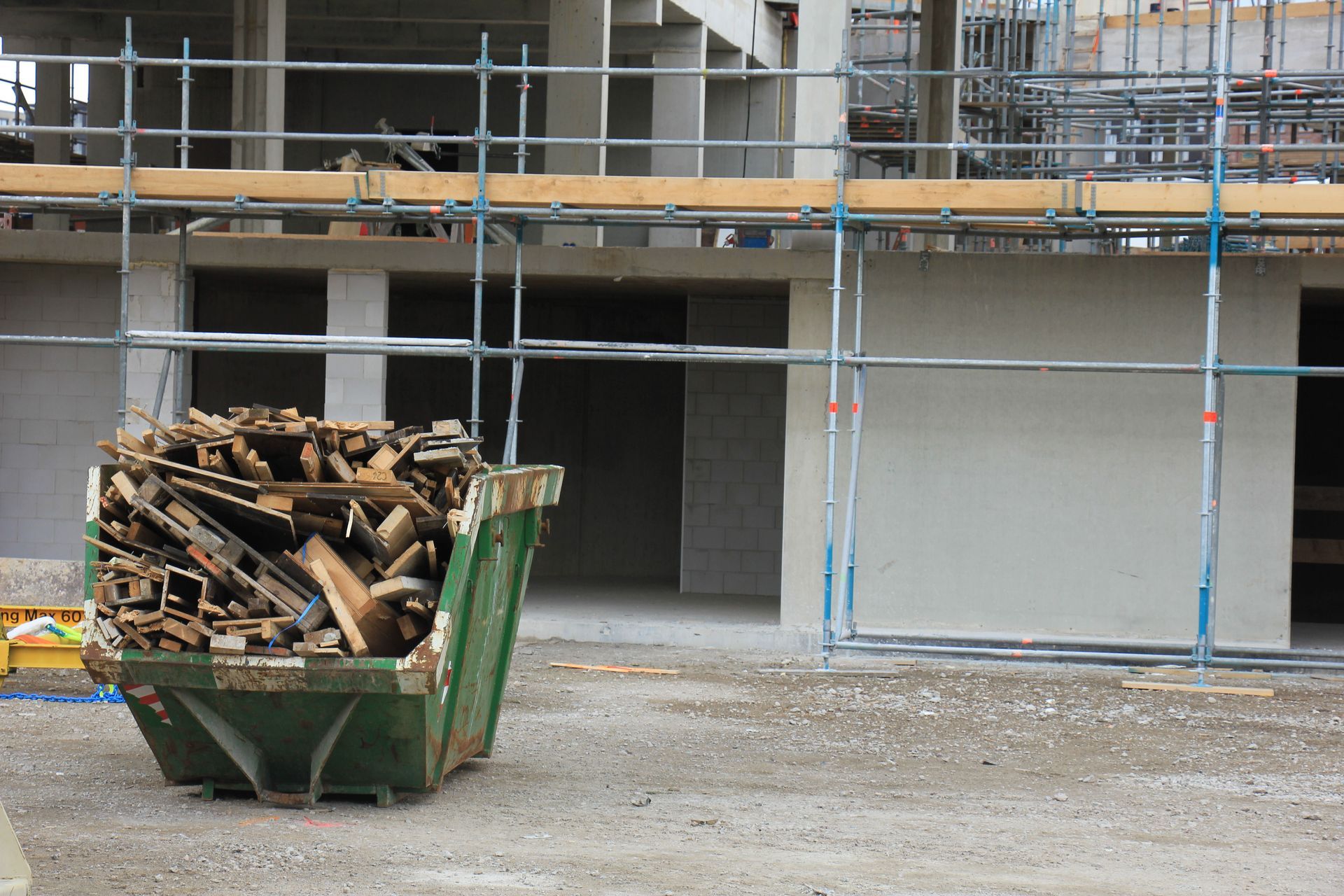
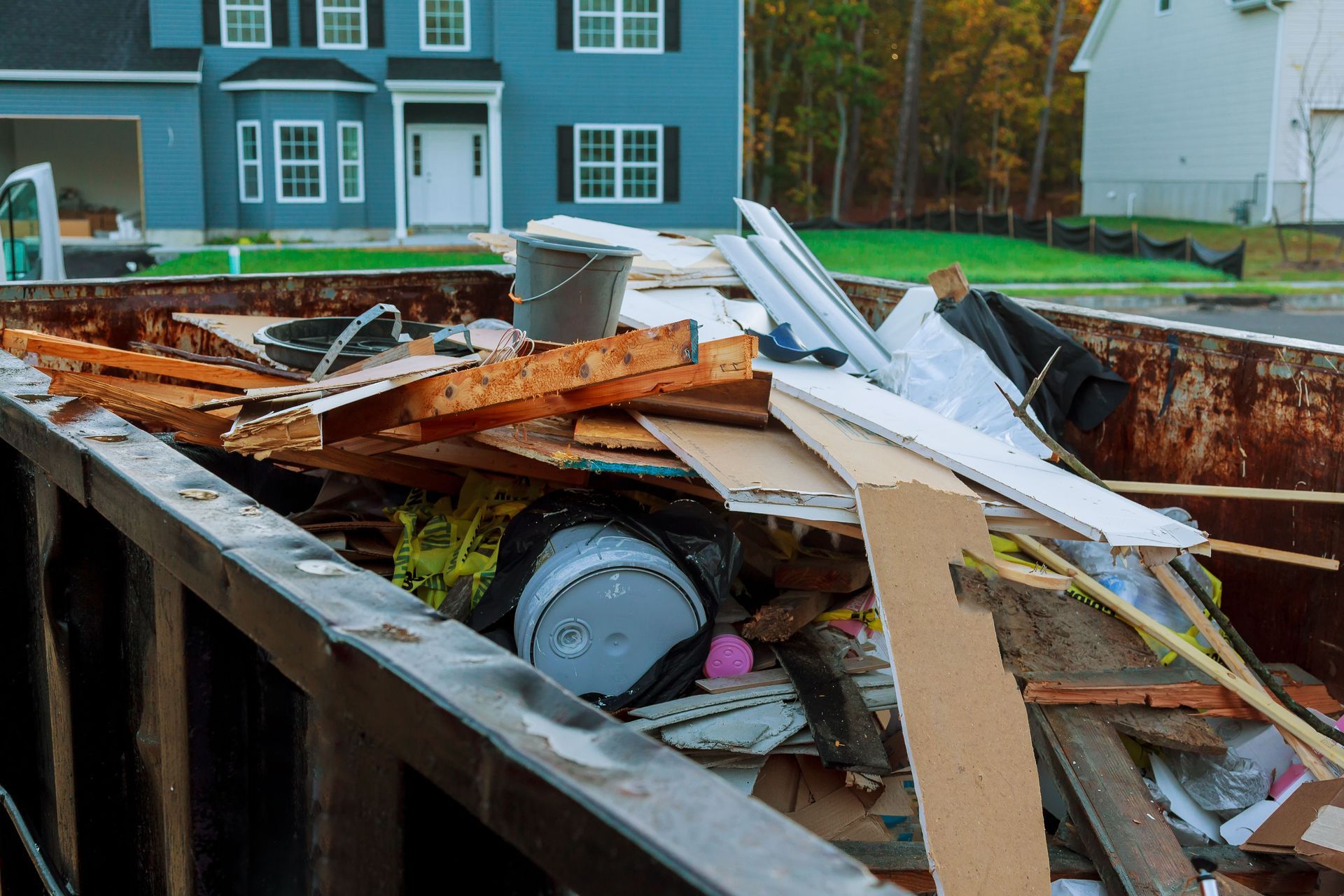
Managing a building site involves a staggering number of moving parts, from architectural blueprints to the final coat of paint. Amidst the pressure of deadlines and budget constraints, the logistical management of debris often falls to the bottom of the priority list. However, overlooking the importance of professional construction waste disposal can lead to a cascade of financial and legal headaches that far outweigh the cost of a rental container. When debris is handled haphazardly, it creates a disorganized environment that compromises both the efficiency of the crew and the safety of the site. Understanding the true scope of these hidden costs is essential for any project manager or homeowner looking to protect their bottom line.
Assessing Environmental Impact and Fines
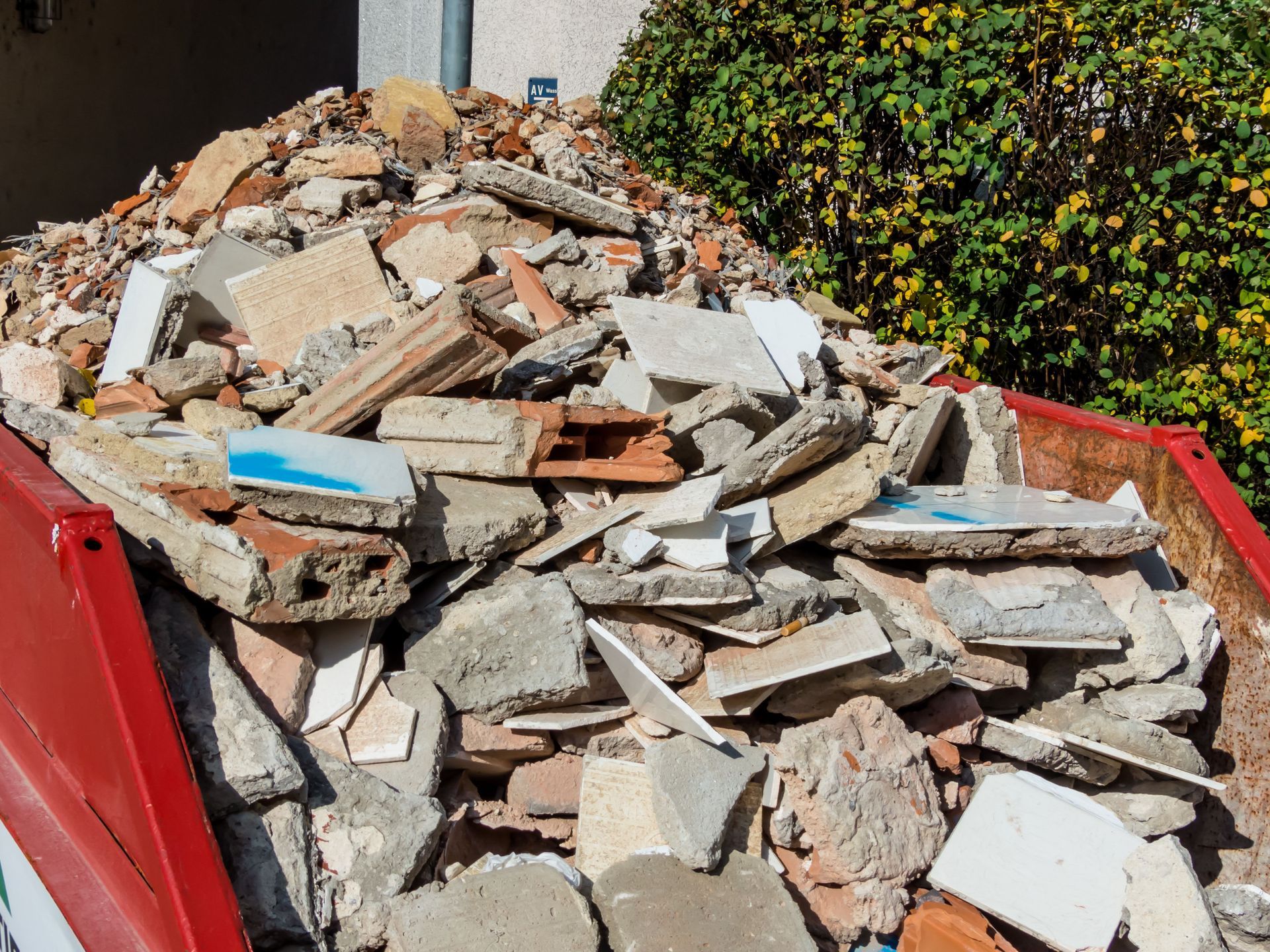
One of the most immediate hidden costs of neglecting proper construction waste disposal is the risk of hefty environmental fines. Local and federal agencies have strict guidelines regarding how specific materials must be processed, especially when hazardous substances like lead, asbestos, or certain adhesives are involved. If these materials are found in a standard landfill or dumped illegally, the resulting penalties can reach into the thousands of dollars per day. These fines are often far more expensive than the cost of hiring a reputable hauling service to handle the materials correctly from the start.
Beyond the legal penalties, the broader ecological footprint is a growing concern for the industry. According to Statista, the United States is the world's leading producer of municipal waste, generating more than 200 million metric tons according to the most recent data. While municipal waste and industrial debris are categorized differently, the sheer volume of output highlights the strain on our national infrastructure. When building materials are not sorted and disposed of at the proper facilities, valuable resources that could have been recycled are lost forever. This lack of sustainability can also damage a company's reputation, as clients increasingly prefer contractors who demonstrate environmental responsibility.
Evaluating Workplace Safety Risks
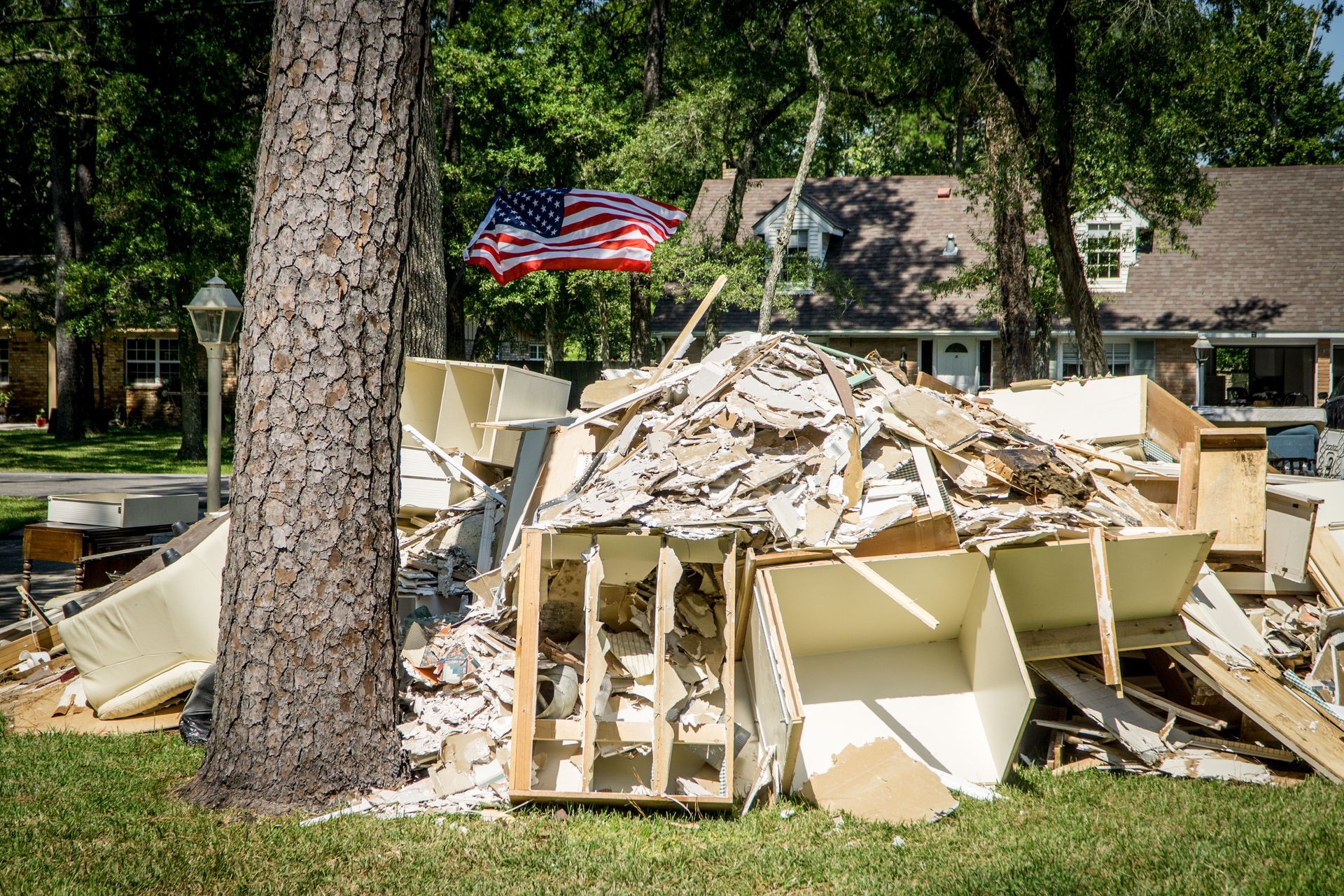
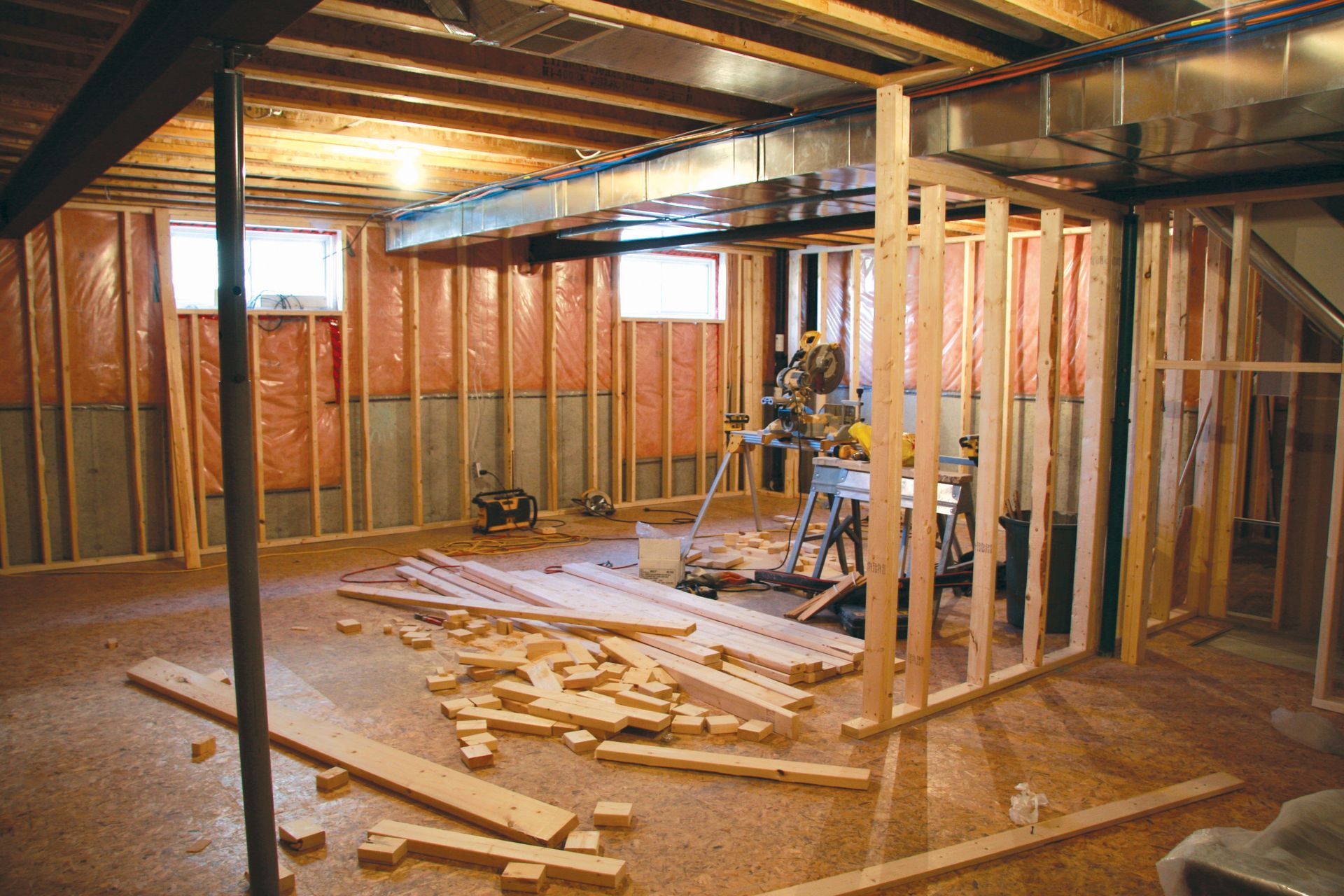
A cluttered job site is a dangerous job site. When scrap materials are allowed to pile up in walkways or near heavy machinery, the likelihood of a workplace accident increases exponentially. Slips, trips, and falls are among the most common causes of injury in the industry, and many of these incidents are directly linked to poor housekeeping. If a worker is injured due to debris that should have been cleared, the contractor may face workers' compensation claims, increased insurance premiums, and potential lawsuits. These "hidden" costs are often much larger than the upfront expense of consistent construction waste disposal services.
Furthermore, the physical presence of sharp objects, heavy rubble, and protruding nails poses a constant threat to everyone on-site. Managing this risk requires more than just a quick sweep at the end of the day; it requires a dedicated strategy for containment and removal. By keeping the site clear of unnecessary obstacles, you create a professional atmosphere where workers can move freely and focus on their specific tasks. This proactive approach to safety not only protects the health of the crew but also prevents the project shutdowns that often follow a serious on-site injury.
Analyzing Project Delays and Efficiency
Efficiency is the lifeblood of a profitable project, and nothing slows down progress like a lack of space. When crews have to navigate around piles of discarded materials, every task takes longer to complete. Whether it is moving equipment, delivering new supplies, or simply walking from one side of the site to the other, those lost minutes add up over the course of a week. Proper construction waste disposal ensures that the workflow remains fluid and that every square foot of the site is available for productive use. Without a clear path, the timeline of the project begins to slip, leading to late-completion penalties and dissatisfied clients.
Logistical bottlenecks also occur when new materials arrive but cannot be staged properly because the area is filled with old debris. This often leads to a "double-handling" scenario where workers must move trash to make room for supplies, and then move the trash again later. This wasted labor is a direct drain on the project budget. By maintaining a steady cycle of debris removal, you eliminate these redundancies and keep the crew focused on high-value tasks. In the long run, the time saved by having a clean site pays for the disposal services many times over.
Considering Legal and Insurance Implications
Liability extends beyond the immediate physical safety of the crew; it also encompasses the long-term legal standing of the business. Improper handling of debris can lead to disputes with property owners or neighboring businesses. For instance, if wind blows loose materials onto an adjacent property or if runoff from a messy site contaminates local water sources, the contractor is held responsible. Engaging in professional construction waste disposal provides a paper trail that proves the materials were handled in accordance with local laws, offering a layer of legal protection should any disputes arise.
Insurance providers also take a keen interest in how a site is managed. Companies that can demonstrate a consistent history of clean, organized job sites are often viewed as lower risks, which can lead to better rates over time. Conversely, a history of accidents or environmental violations will cause premiums to skyrocket. Maintaining a disciplined approach to waste management is not just a logistical necessity; it is a strategic business move that protects the company's financial future and ensures that its insurance remains both affordable and effective.
Managing Hidden Property Damage Costs
Debris left sitting for too long can cause actual physical damage to the property being renovated or built. For example, heavy piles of rubble can crack new pavement or indent a landscape that has already been graded. Moisture trapped under piles of discarded wood can lead to mold growth or attract pests that can migrate into the new structure. These issues often go unnoticed until the end of the project, leading to expensive "punch list" items that must be fixed on the contractor's dime. Frequent construction waste disposal prevents these secondary issues from ever taking root.
Additionally, the aesthetic impact of a messy site can affect the perceived quality of the work. If a client visits the site and sees a mountain of trash, they may begin to question the contractor's attention to detail in other areas of the build. This can lead to increased scrutiny, more frequent inspections, and a strained relationship that makes the final stages of the project more difficult. A clean site conveys a message of precision and professionalism, suggesting that if the contractor is this careful with the trash, they are likely just as careful with the structural elements of the home.
Maximizing Resource Recovery Opportunities
Not everything that is discarded on a job site is truly "waste." Many materials, such as copper piping, clean wood, and certain plastics, have significant recycling value. However, if these items are tossed into a general heap, they become contaminated and lose their value. A structured system for construction waste disposal allows for the sorting of these materials at the source. By separating recyclables, contractors can sometimes offset their disposal costs through scrap value or by taking advantage of reduced tipping fees at specialized recycling centers.
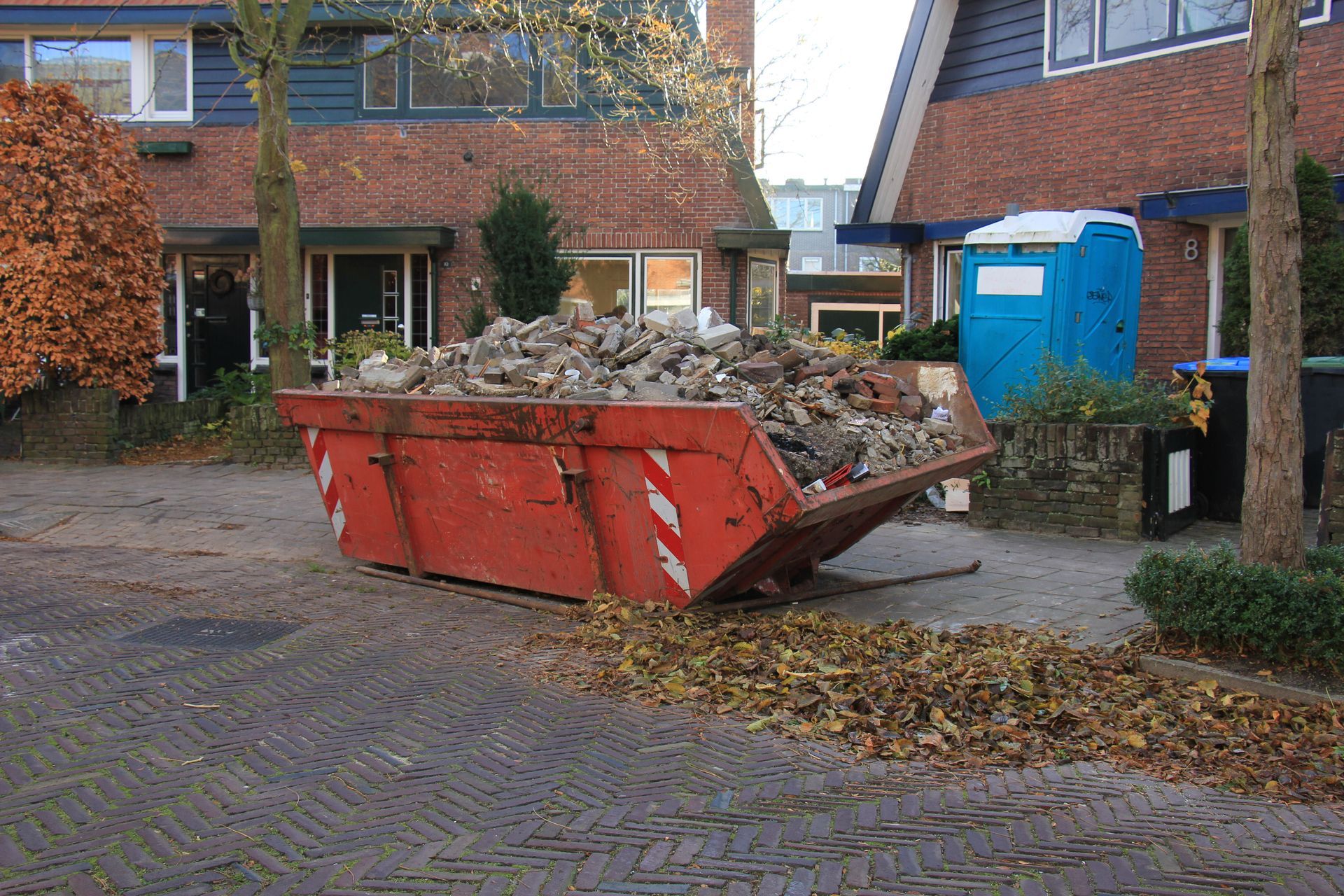
In conclusion, the true cost of managing a project involves looking far beyond the price of labor and materials. It requires a comprehensive view of the risks, efficiencies, and legal obligations that define a modern building site. By ignoring the need for systematic construction waste disposal, you open the door to fines, accidents, and delays that can derail even the most well-planned project. Choosing a professional partner ensures that your site remains clean, your workers remain safe, and your budget remains intact. At AAA Carting, we specialize in providing the reliable containers and hauling services you need to keep your project moving forward without the hidden costs of clutter. Call AAA Carting today to learn more about our customizable solutions and let us help you maintain a cleaner, more profitable job site.



Share On: