
Why Construction Waste Recycling Matters More Than Ever
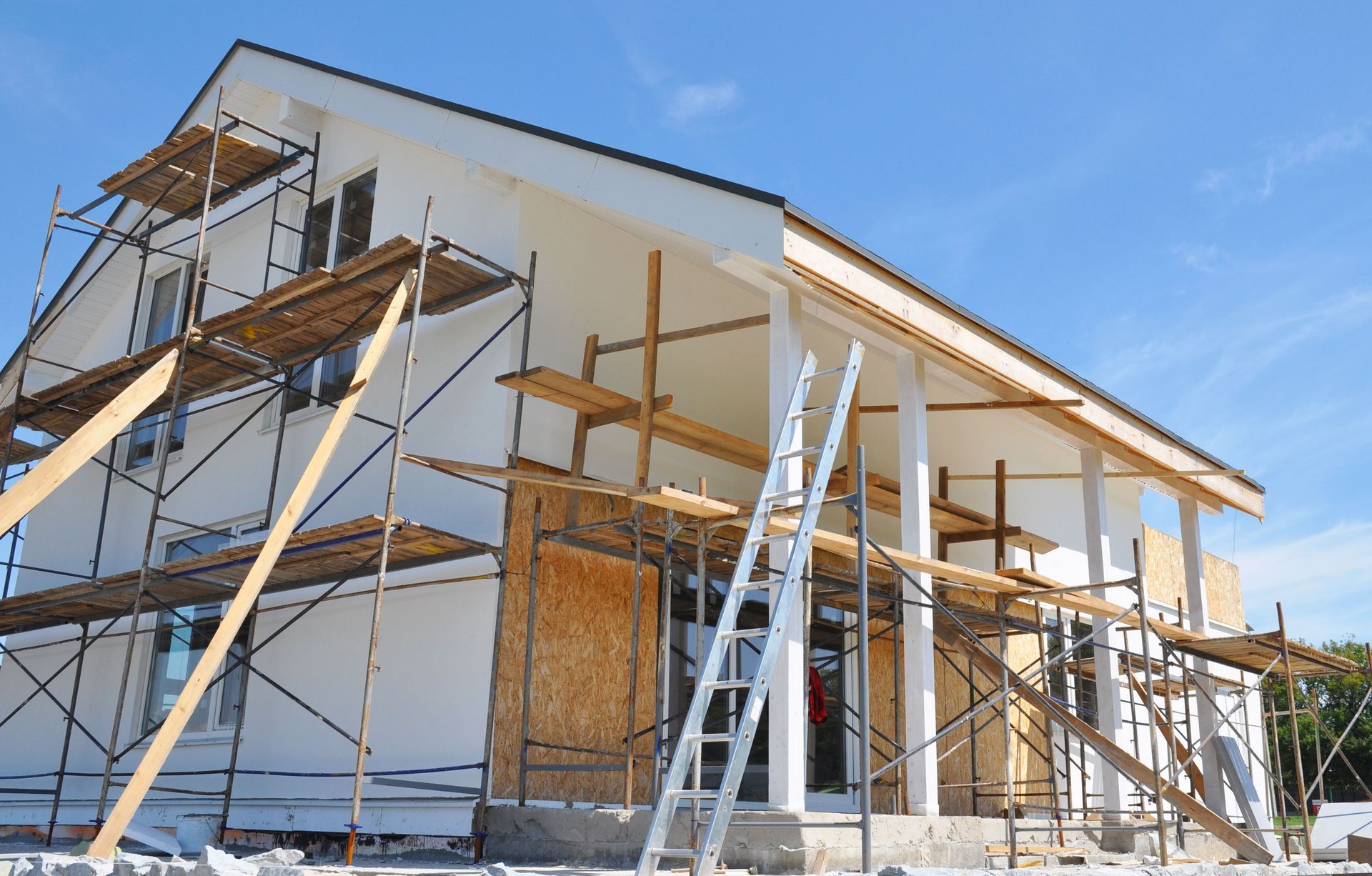
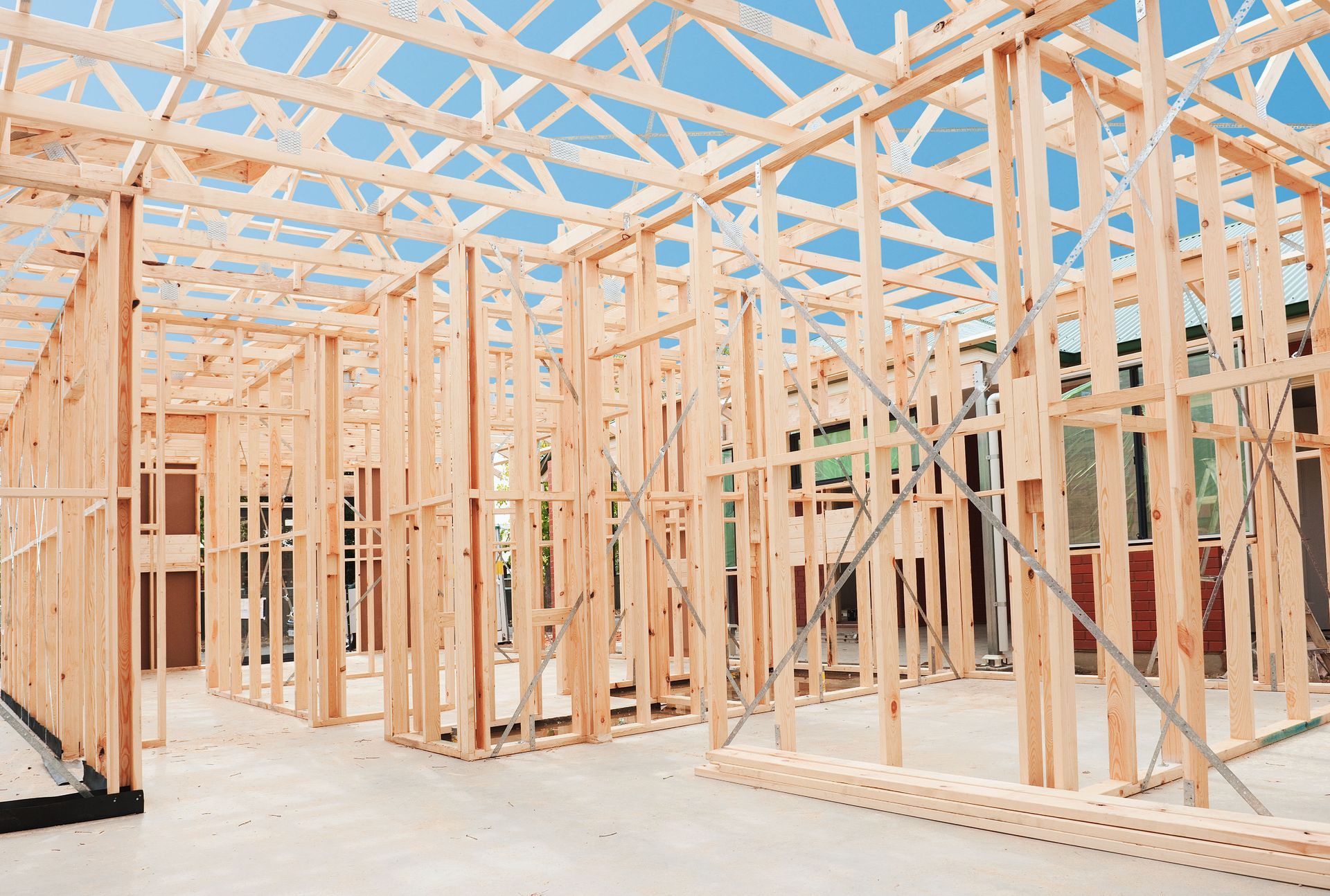
Construction is the backbone of modern development, shaping the cities where people live, work, and play. Yet behind every building, bridge, or road lies a less glamorous reality: the enormous amount of waste generated during construction and demolition projects. From concrete debris and wood scraps to metals and plastics, this waste can overwhelm landfills and harm the environment if not properly managed. In today's world, construction waste recycling has become an essential practice, allowing the industry to operate more sustainably while maintaining efficiency. Partnering with a professional construction waste disposal service has never been more critical for developers, builders, and contractors who want to reduce their environmental footprint and adhere to regulatory standards.
Understanding the Impact of Construction Waste
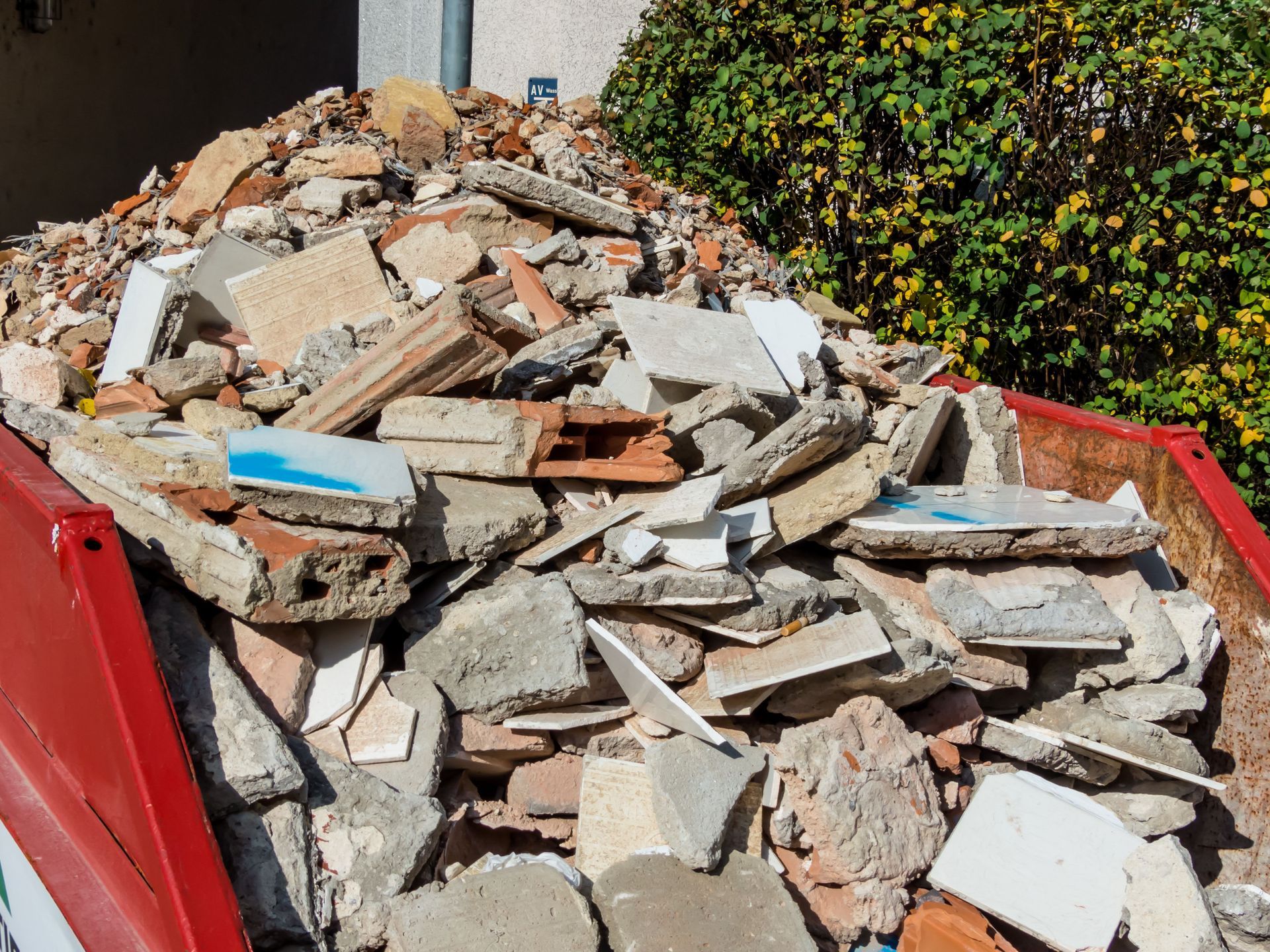
Construction waste presents significant challenges, both environmental and logistical. Non-biodegradable materials, such as plastics, treated wood, and metals, can linger in landfills for decades, gradually leaching harmful chemicals into soil and water systems. Even materials that might seem harmless, such as concrete or brick, contribute to landfill overuse, taking up valuable space and potentially affecting local ecosystems. The consequences of poor waste management extend beyond the environment. Projects that fail to properly manage debris risk legal penalties, increased costs, and project delays. Additionally, public awareness around sustainable practices has grown, and companies that ignore eco-friendly construction methods may face reputational damage. Implementing effective waste management strategies not only mitigates these risks but also enhances operational efficiency and long-term sustainability.
Hiring a professional construction waste disposal service ensures that construction debris is handled safely, efficiently, and in compliance with local regulations, transforming a potential liability into a sustainable practice.
The Role of Construction Waste Disposal Services
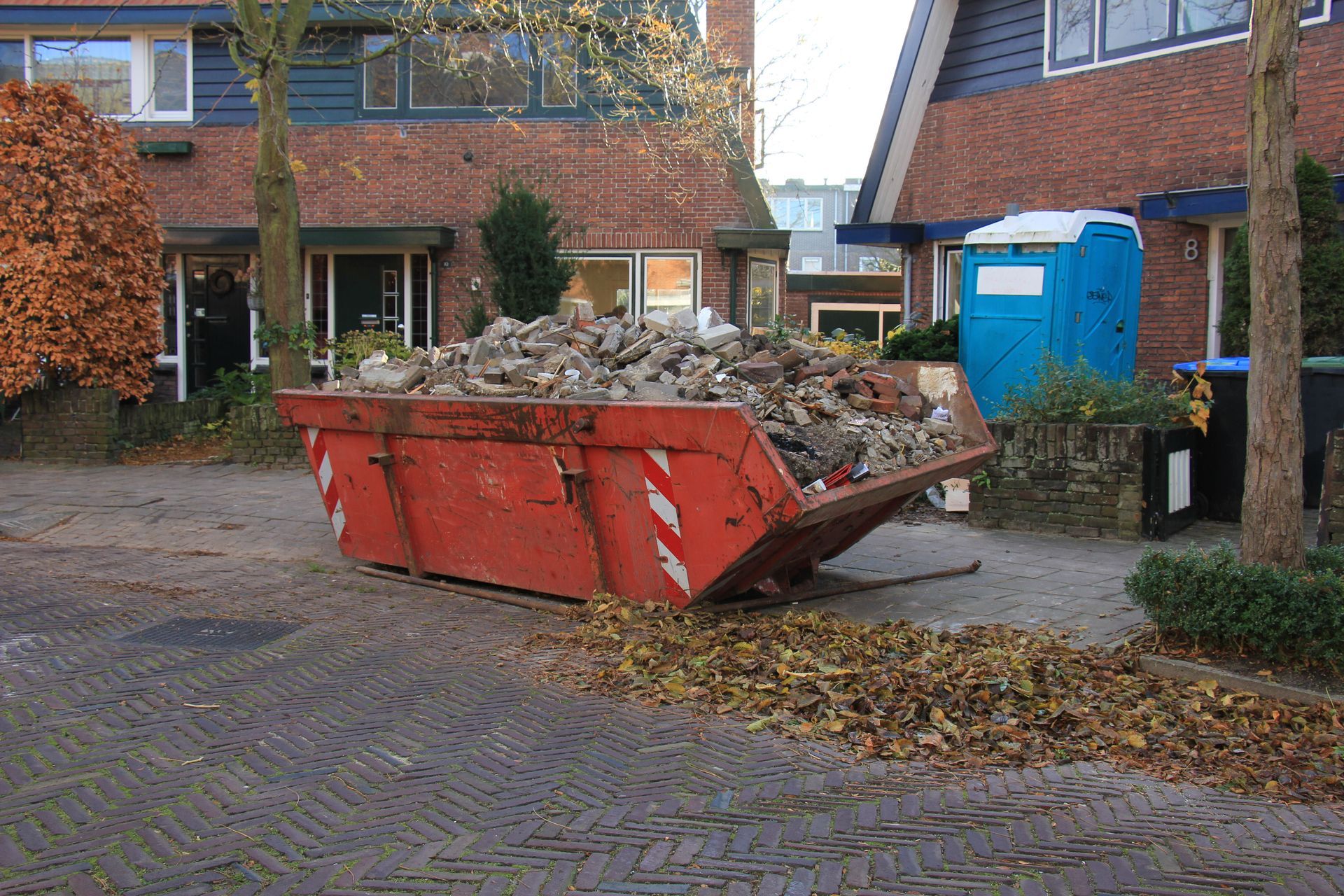
A specialized construction waste disposal service provides a structured approach to managing construction debris, ensuring that materials are sorted, transported, and processed correctly. These services bring specialized equipment and trained personnel to each project, streamlining waste management while reducing environmental impact. Beyond simple removal, these services enable contractors to recycle and repurpose materials that would otherwise end up in landfills.
Concrete can be crushed and reused in new construction projects. Metals can be melted down and repurposed, and wood can be transformed into mulch or used in engineered products. This not only conserves natural resources but also promotes a more circular approach to construction materials. By relying on professional disposal services, construction companies not only reduce landfill contributions but also gain access to reusable resources, often at a lower cost than purchasing new materials. Reporting and documentation provided by these services further help contractors monitor their environmental efforts, track recycling volumes, and demonstrate commitment to sustainable practices.
Benefits of Recycling Construction Waste
The advantages of construction waste recycling are extensive. Environmentally, recycling conserves natural resources by reducing the need to extract raw materials from the earth. Every ton of concrete, metal, or wood that is reused prevents further resource depletion and minimizes the environmental disruption caused by mining, logging, or other extraction activities. Recycling also lowers greenhouse gas emissions because manufacturing new materials is often far more energy-intensive than repurposing existing ones.
According to Soocial, in the United States, approximately 70% of construction and demolition waste is recycled, highlighting the progress that has already been made and the potential for further improvement. Economically, recycling reduces disposal costs and creates opportunities for contractors to reclaim value from materials that would otherwise be considered waste. By partnering with a reliable construction waste disposal service, companies can save money, reduce project delays associated with landfill disposal, and even benefit from revenue streams tied to recyclable materials. Additionally, businesses that actively promote recycling initiatives bolster their reputation, meeting the growing expectations of clients, investors, and communities seeking environmentally responsible development.
Understanding Recyclable Construction Materials
Not all construction debris carries the same potential for recycling, and understanding which materials can be repurposed is crucial. Concrete, bricks, and other masonry products can be crushed and reused as aggregate or for landscaping projects, significantly reducing the need for fresh material. Metals such as steel, aluminum, and copper retain value even after previous use, and they can be melted down to create new construction products. Wood, when untreated, can be chipped into mulch, converted to biomass energy, or reprocessed into engineered wood materials.
Plastics, from piping to protective sheeting, are increasingly recyclable and can be transformed into new products with proper processing. Even materials like drywall can be repurposed as a soil amendment or used in the production of new drywall products, helping to keep harmful chemicals out of landfills.
Efficient handling of these materials requires careful sorting and processing, tasks best managed by a professional construction waste disposal service that understands the nuances of each type of debris and can ensure maximum recycling potential.
Implementing Effective Waste Management Practices
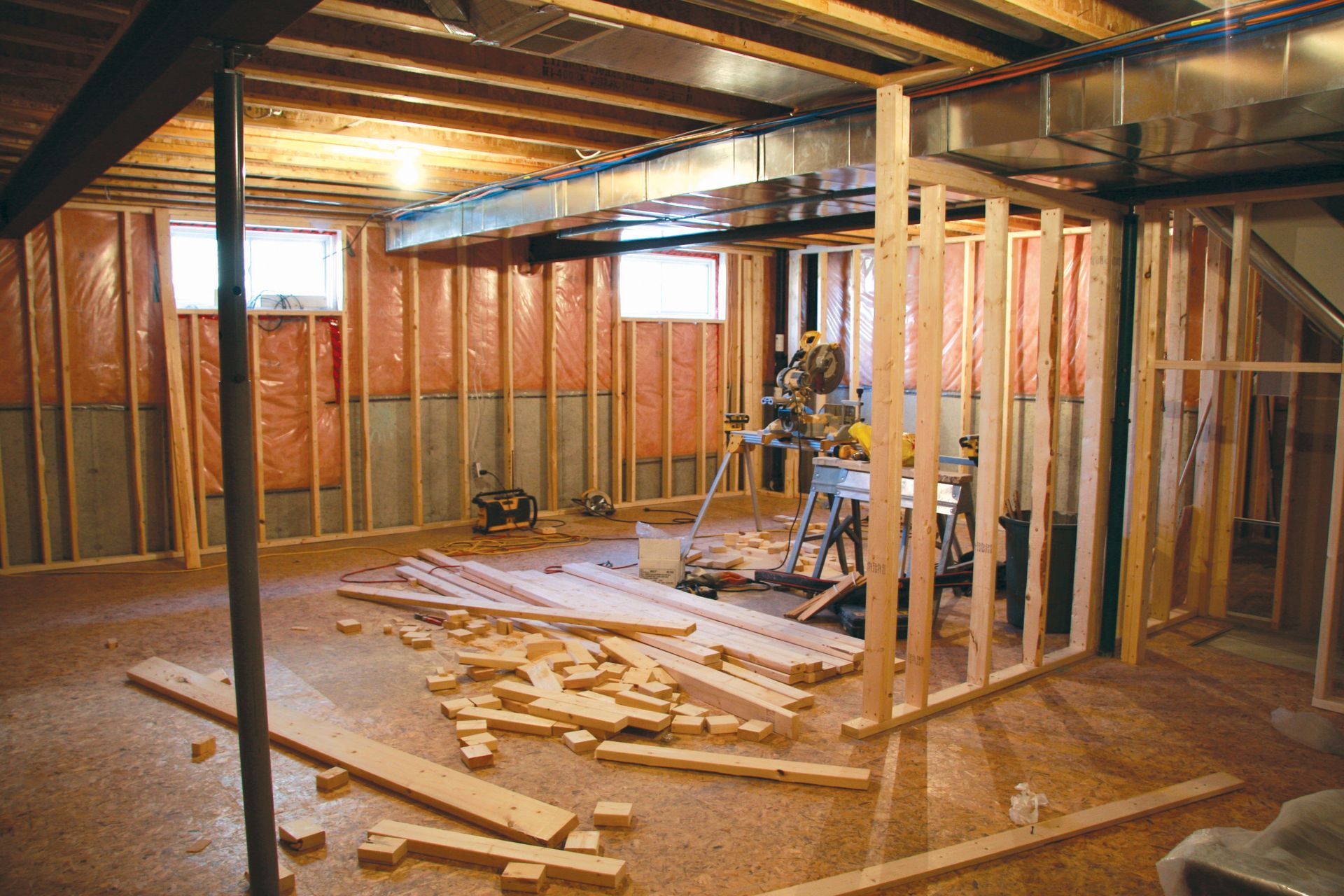
Construction waste management is not simply about hiring a disposal service — it requires strategic planning and execution. Effective projects anticipate the types and quantities of materials that will be generated and establish clear processes for sorting and handling them. On-site segregation is essential, allowing materials to be separated and processed according to type, thereby increasing recycling efficiency and minimizing contamination. Partnering with experienced construction waste disposal services ensures that each phase of waste handling, from collection to final processing, is managed correctly and in line with legal and environmental standards.
Consistent tracking and documentation of recycled materials provide accountability and insights for improving future projects, allowing contractors to refine their practices and reduce environmental impact over time. Equally important is educating construction teams about the significance of recycling and the proper methods for managing debris. When all members of a project understand their role in minimizing waste, recycling efforts become more effective and embedded into the company's operational culture.
The Future of Construction Waste Recycling
As urban development accelerates, the need for responsible waste management becomes increasingly urgent. Cities are expanding, infrastructures are being renovated, and demolition projects are more frequent than ever. Without systematic construction waste recycling, these activities could overwhelm landfills, increase pollution, and deplete natural resources. The future of sustainable construction depends on integrating recycling and efficient waste disposal practices into every project from the outset. With the industry moving toward greener standards, reliance on a skilled construction waste disposal service will likely become the norm rather than the exception.
Innovation in recycling technologies and increasing awareness of environmental impact are driving the construction sector to rethink how waste is treated, reused, and reintegrated into new projects. Companies that adopt these practices now are not only helping the planet but also positioning themselves as leaders in a rapidly evolving industry.
Construction waste is an inevitable byproduct of building our modern world, yet it does not have to be a burden on the environment or the economy. Recycling construction materials offers significant benefits, from conserving natural resources and reducing greenhouse gas emissions to cutting costs and enhancing corporate reputation. By embracing construction waste recycling and leveraging professional construction waste disposal services, companies can turn what was once discarded into a valuable resource, creating a cycle of sustainability that benefits both industry and community. As the demand for responsible building practices grows, integrating comprehensive waste management strategies is no longer optional — it is essential for the future of construction. If you're looking for a reputable construction waste disposal service, contact AAA Carting today!

Share On: