
Tackling a Remodel? How to Handle the Construction Debris
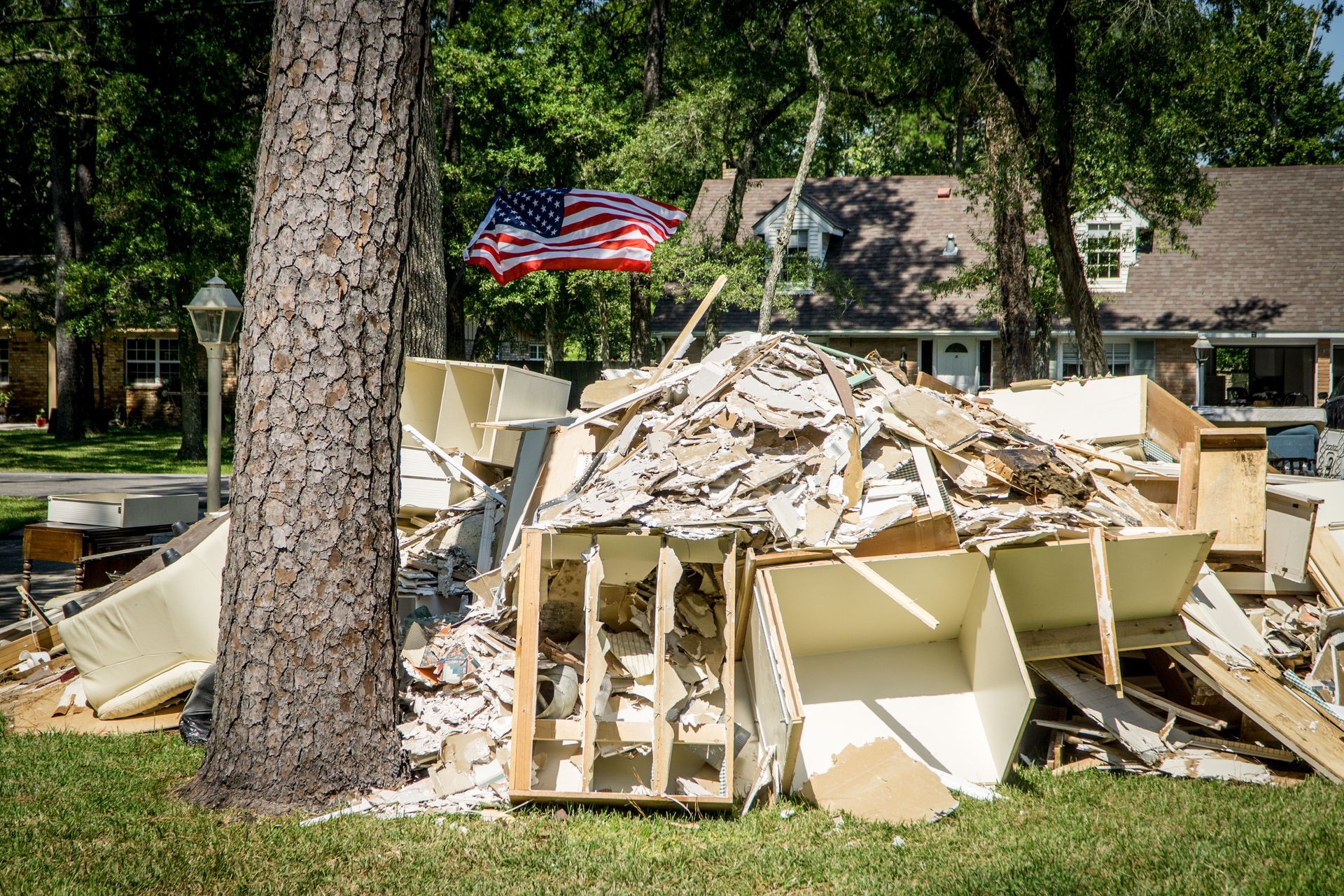
Home renovations breathe fresh life into aging properties. Property owners dream of gleaming countertops, expanded living areas, and updated fixtures. Yet, the physical transformation process generates immense amounts of scrap wood, shattered drywall, and broken tiles. The sheer volume of discarded material catches amateur builders by surprise. Without a clear plan for managing this mess, a dream project becomes an absolute nightmare. A pile of discarded materials left in the driveway creates hazards and delays progress for the entire crew.
Addressing the resulting refuse requires foresight and deliberate action from the start. Before wielding a sledgehammer, individuals must outline a strict strategy for handling the inevitable mess. Proper planning prevents unsightly piles from accumulating on lawns or in garages. Integrating construction waste disposal into the initial project outline ensures a smooth transition from demolition to finished space. Securing proper removal methods keeps the site safe and the timeline on track. The upcoming sections explore distinct methods to conquer the clutter during a renovation project.
Assessing the Project Requirements
Evaluating the scope of the renovation is a vital initial step. Major overhauls produce massive refuse compared to minor cosmetic updates. Demolishing walls generates heavy plaster and tangled wiring. Replacing a vanity produces lighter refuse. Property owners must gauge the expected volume of discarded materials before the work begins. Anticipating the scale of the mess allows for better preparation and smoother execution.
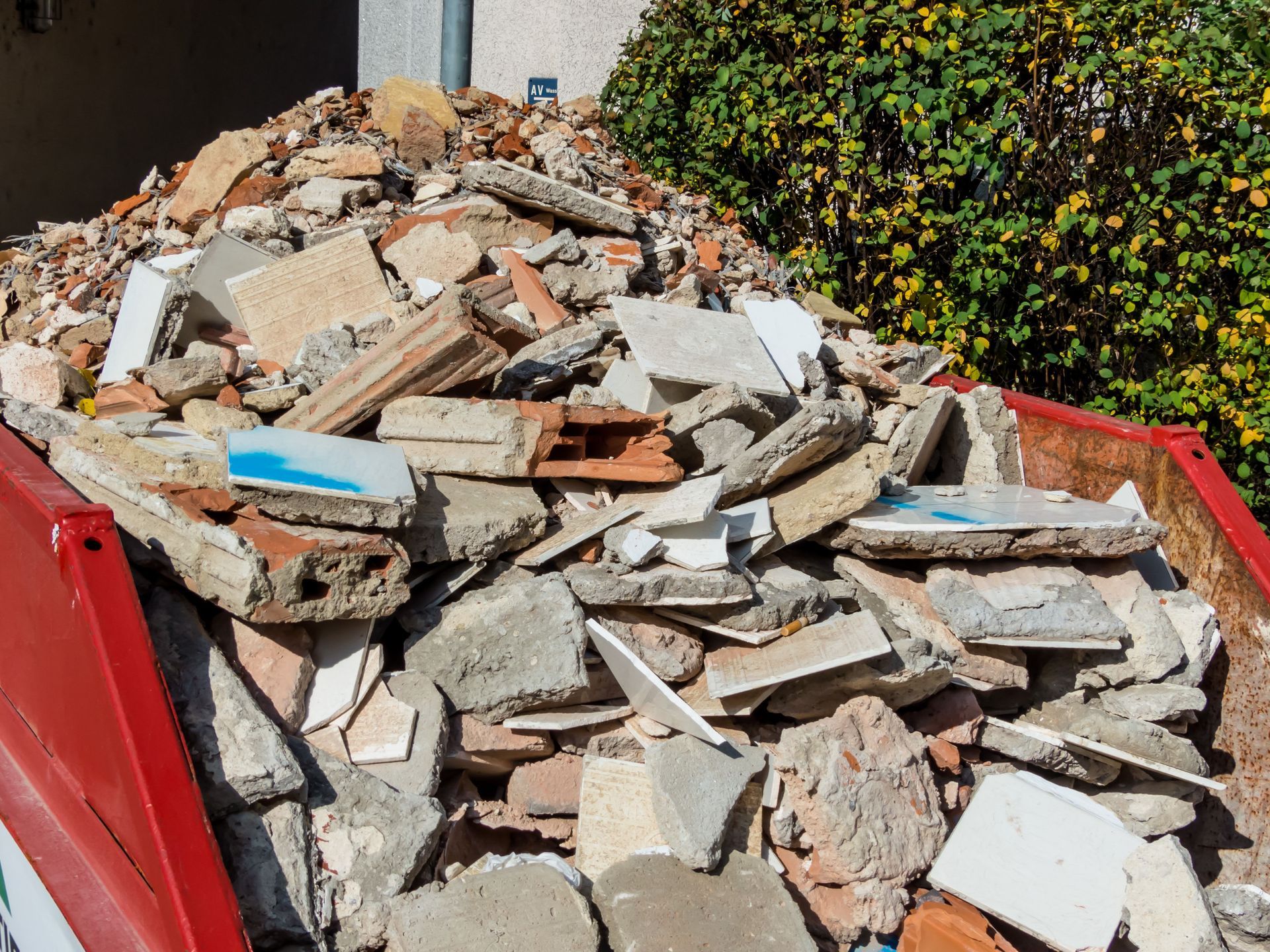
Different materials require distinct handling methods for safety. Old pipes and copper wires have intrinsic value and belong in a separate pile. Hazardous materials like asbestos or lead paint demand specialized extraction teams. Builders must categorize the expected refuse to determine the appropriate discarding methods. Understanding the exact nature of the torn-out materials prevents dangerous mixing of incompatible substances. Categorization keeps the site organized.
Local regulations dictate the allowed methods for discarding renovation refuse. Municipal guidelines restrict certain items from standard neighborhood trash collection. Violating these ordinances results in steep fines and halted projects. Investigating local laws regarding construction waste disposal gives property owners a clear framework for strict compliance. Staying within the legal boundaries ensures the project proceeds without administrative interruptions. Knowledge of the rules prevents expensive municipal penalties.
Allocating a budget for refuse management is essential. Bins, removal teams, and dumping fees add up and strain the overall project budget. Homeowners overlook these hidden costs when pricing out gleaming new appliances. Setting aside adequate funds for scrap removal prevents financial surprises late in the project. Financial preparation provides peace of mind when the inevitable pile of broken drywall appears. Budgeting for trash guarantees a smooth finish.
Organizing the Salvaged Materials
Certain torn-out items belong outside the landfill. Cabinets, fixtures, and doors retain utility despite their removal from a specific room. Careful extraction preserves the condition of these valuable pieces. Workers take time to unscrew hinges instead of smashing wood with hammers. Salvaging functional items reduces the total volume of trash destined for the dump. Preservation saves valuable resources and minimizes environmental impact during the build.
Donating salvaged goods benefits the community and the environment. Charities accept salvaged sinks, light fixtures, and lumber. These organizations resell the goods to fund neighborhood improvement initiatives. Diverting usable goods from standard construction waste disposal channels lowers the overall project disposal footprint. This mindful approach transforms unwanted clutter into valuable resources for other families in the area.
Storing the saved materials requires a designated safe zone. Movers must place glass windows and intact doors away from the active demolition site. A dry garage or a covered patio serves as an ideal holding area. Protecting these items from rain and accidental breakage maintains their donation value. Clear communication among the crew ensures no valuable fixture ends up in the scrap pile by mistake.
Selling high-value items defrays renovation costs. Vintage hardware, clawfoot tubs, and solid oak flooring command premium prices on local resale markets. Enthusiasts seek these architectural details for historic restorations. Taking detailed photographs and listing the items on community boards attracts interested buyers. Turning scrap into cash rewards the careful dismantling process and offsets unexpected project expenses. Reselling items provides a financial boost.
Managing the Site Cleanup
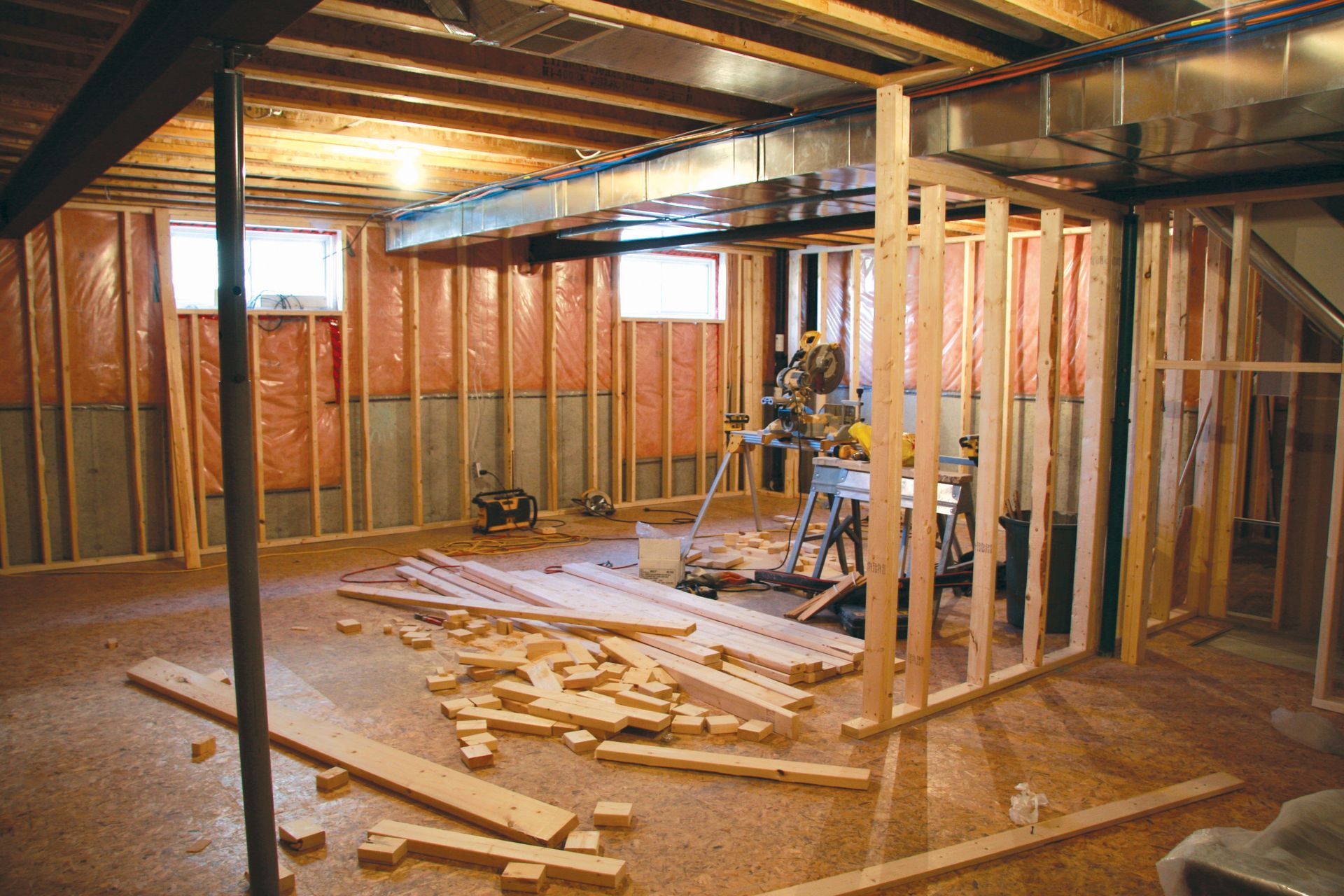
Maintaining an organized site prevents accidents and improves worker morale. Loose nails, shattered glass, and jagged metal pose severe risks to anyone walking through the zone. Sweeping fine dust and stacking large debris keeps the environment safe. A tidy workspace allows contractors to maneuver materials without tripping over hidden obstacles. Cleanliness equals safety in any active building zone.
Designating specific zones for different types of refuse streamlines the final removal. Piles for clean wood, twisted metal, and mixed trash create order out of chaos. Crews know where to toss discarded items without asking questions. This systematic sorting method accelerates the clearing process. Visual organization turns a daunting mountain of trash into manageable, distinct categories for everyone involved.
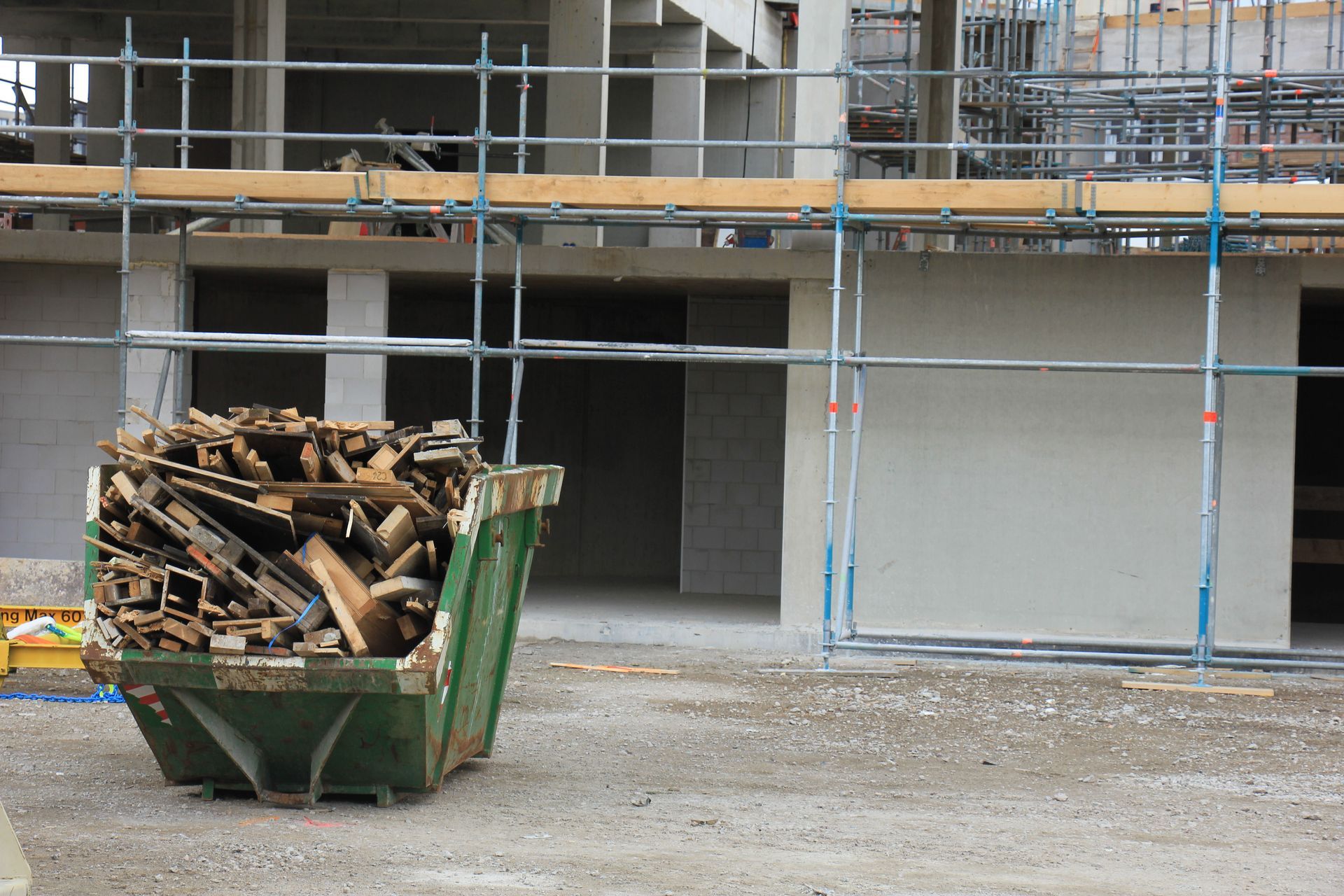
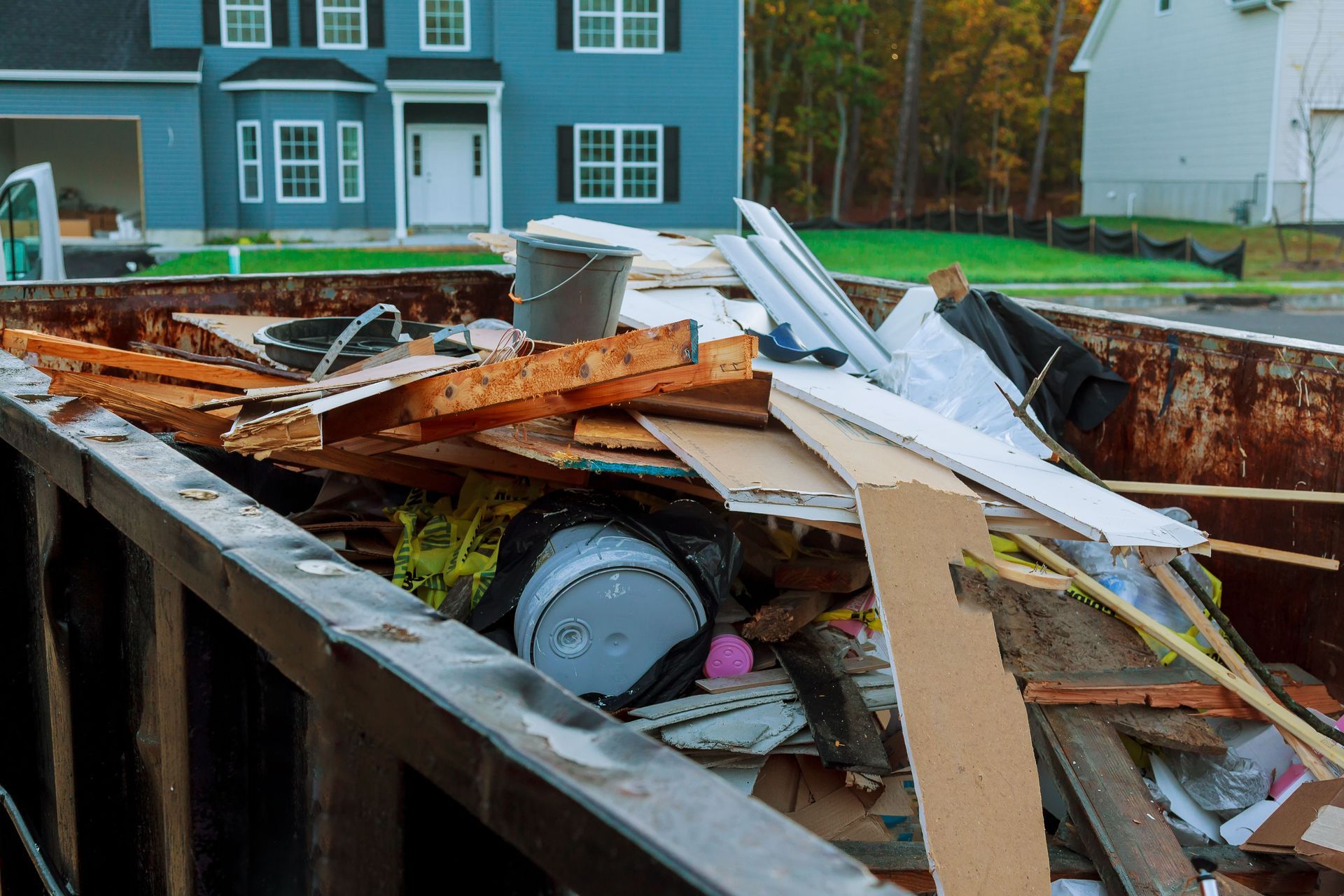
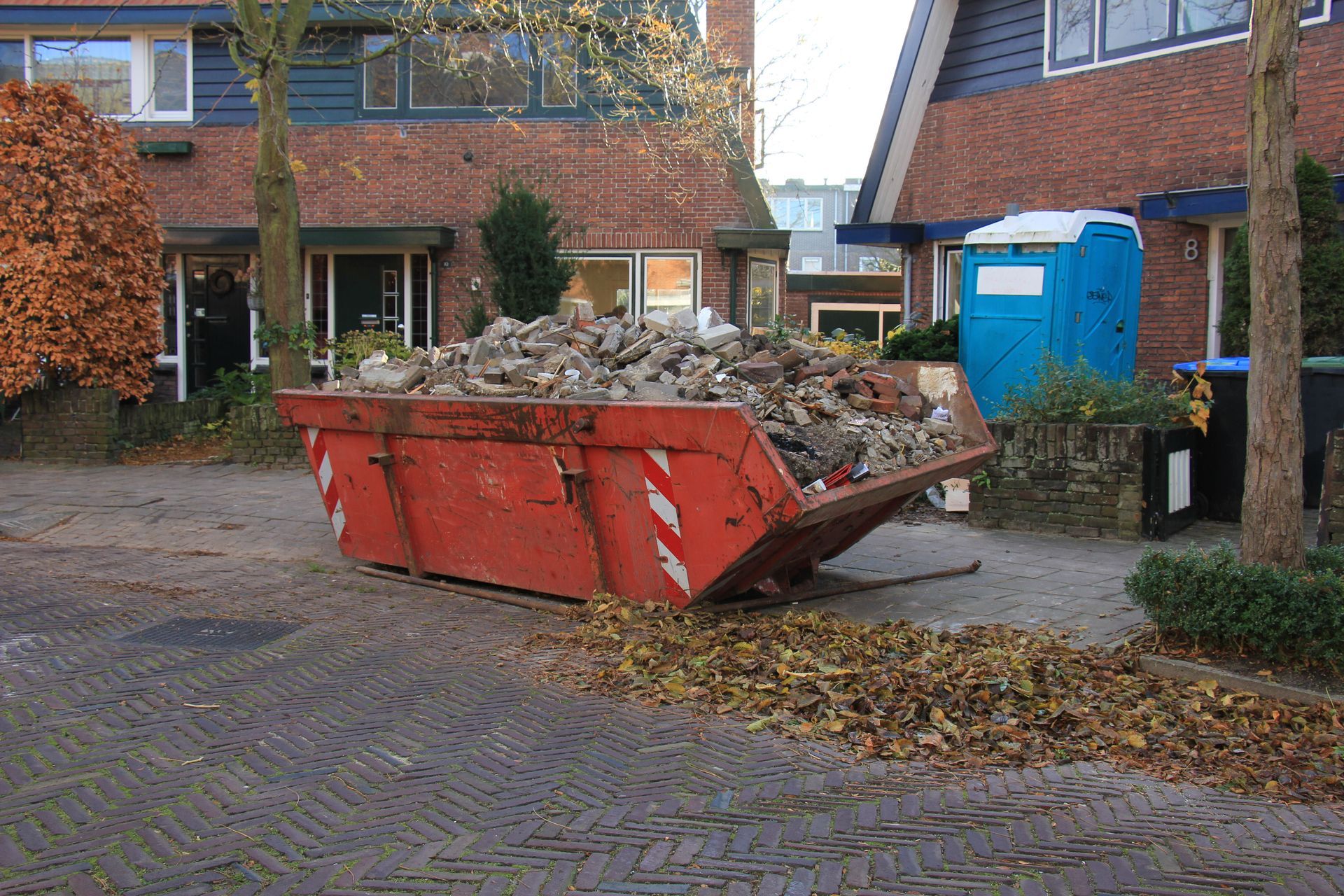
Renting a roll-off container offers a centralized location for discarding the bulk of the refuse. Resting on the driveway, these massive steel bins swallow broken tiles and shattered plaster with ease. Proper sizing prevents overflowing containers and the need for immediate replacements. Accurate estimation of the refuse volume dictates the size of the required container. According to Home Guide, a 10-yard dumpster can hold two to three tons of construction waste.
Loading the bin requires strategic placement of items. Workers must place flat materials like drywall and plywood at the bottom to maximize the available space. Bulky items follow, filling the center of the container. Proper packing prevents air pockets and wasted space. Strategic loading guarantees maximum efficiency for construction waste disposal efforts. Smart packing maximizes the value of the bin rental.
Finalizing the Debris Removal
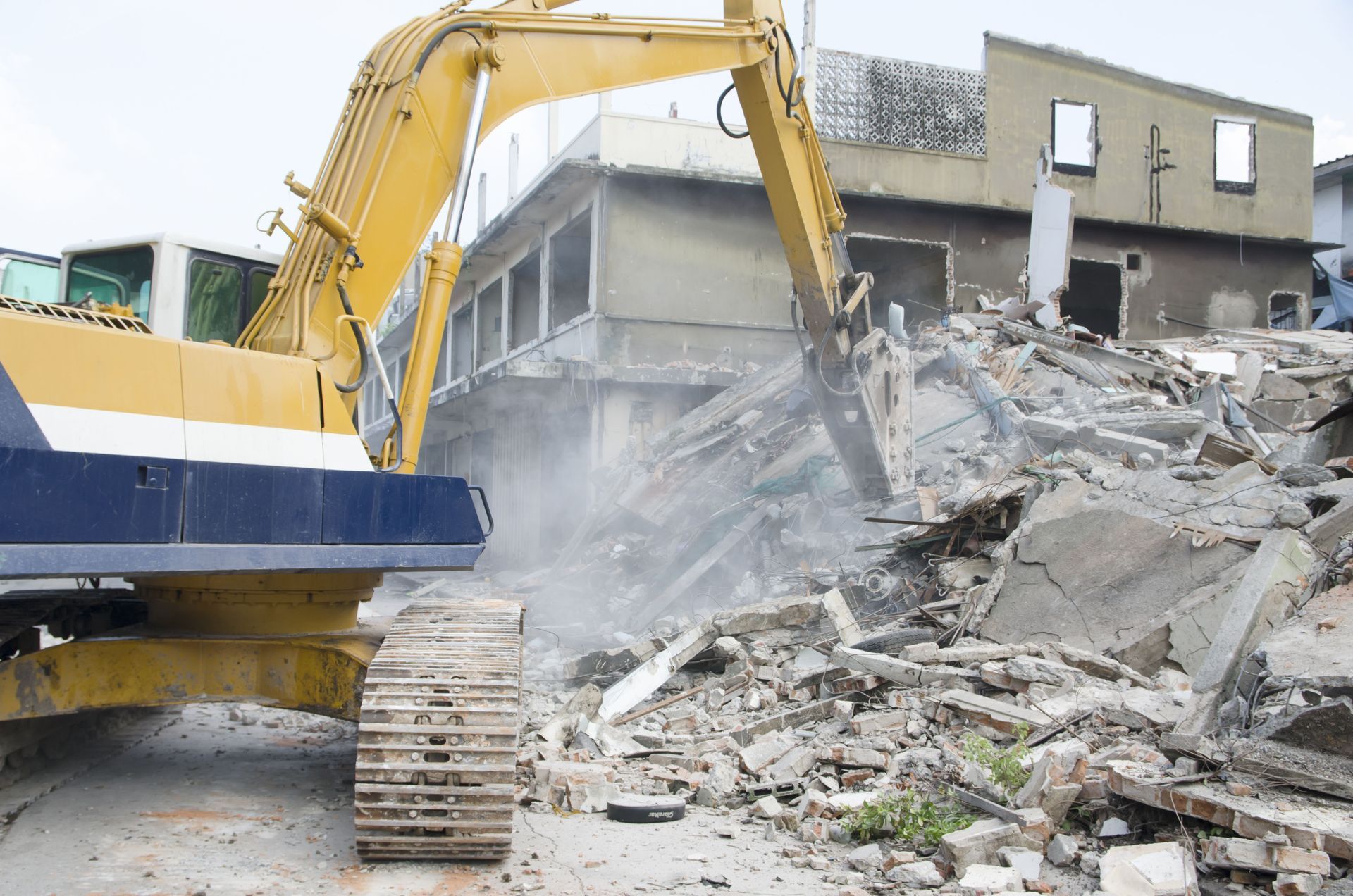
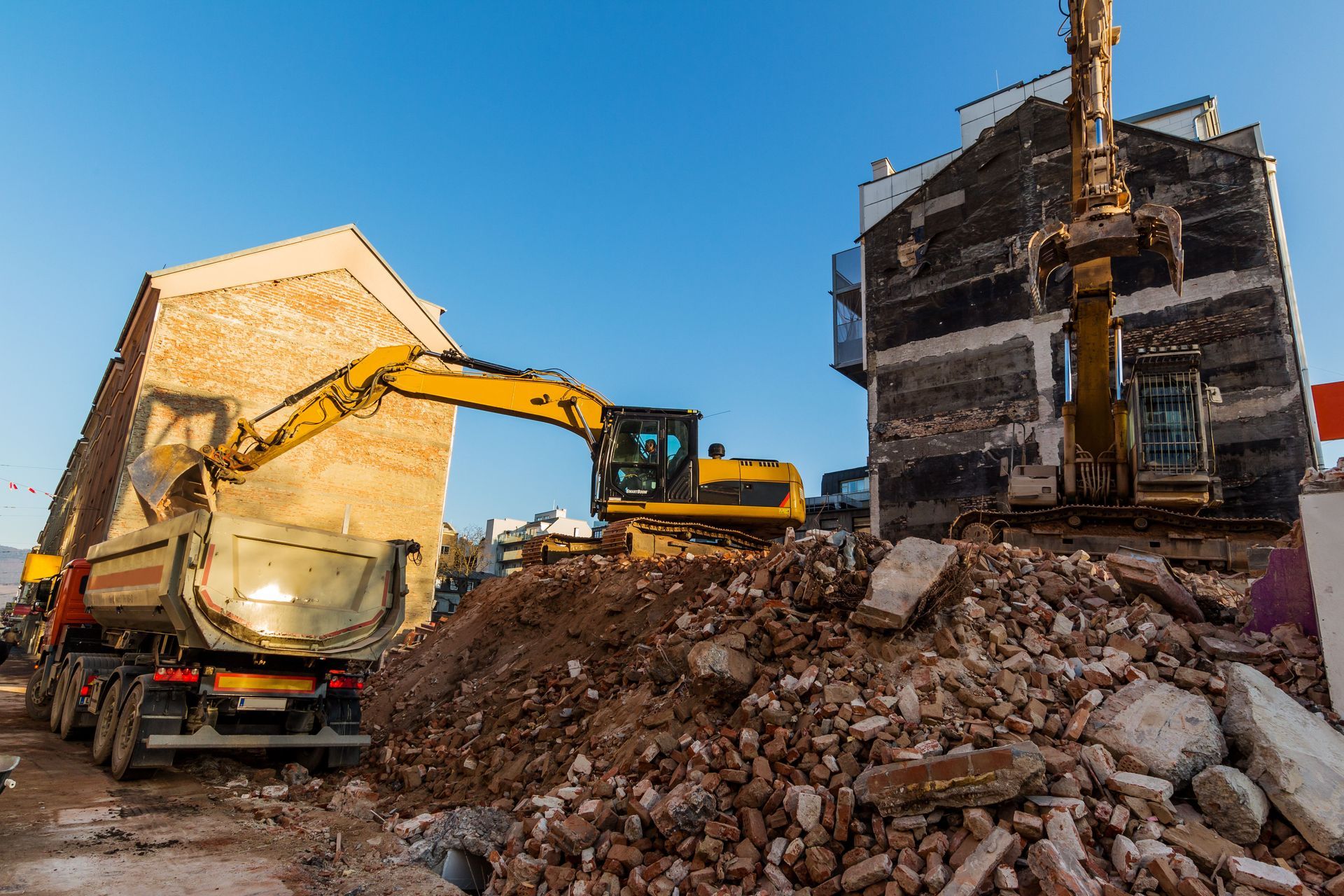
Hiring dedicated removal teams offers an alternative to managing a stationary bin. These crews arrive with trucks and remove the rubble in an afternoon. This service benefits properties lacking driveway space for large metal containers. Outsourcing construction waste disposal shifts the physical burden off the property owners. Professional haulers know where to take specific types of refuse for processing.
Verifying the destination of the discarded materials gives environmentally conscious individuals peace of mind. Reputable haulers prioritize recycling centers over standard landfills. Concrete gets crushed into gravel, and clean wood becomes mulch. Inquiring about the final destination of the refuse ensures the materials undergo proper processing. Responsible offloading reduces the ecological impact of the entire renovation project. Greener choices benefit the surrounding community.
Clearing the exterior staging areas marks a major milestone in the renovation journey. Scraping the driveway free of lingering dust and removing the temporary fencing restores the curb appeal of the home. The departure of the final truckload of scrap signals the transition from dirty construction to clean finishing work. A pristine exterior reflects the massive progress happening inside the structure and signals a return to normalcy.
Conducting a final sweep of the property catches rogue nails or hidden shards of glass. Magnetic sweepers pull metal fasteners from the grass, protecting bare feet and vehicle tires. A thorough inspection of the grounds guarantees a safe yard. Taking time for this detailed scan ensures the property is safe for children and pets. Careful inspections provide ultimate comfort.
Tackling a major property update brings inevitable chaos and immense piles of rubble. Navigating this clutter requires strategic planning, careful sorting, and deliberate removal tactics. Ignoring the refuse aspect of a build leads to unsafe conditions and stalled timelines. Implementing a solid plan for construction waste disposal at the project onset eliminates stress and keeps the site functional. A clear strategy turns a mountain of debris into a minor logistical task. When you are ready to clear out the clutter from your latest project, give us a call at AAA Carting for all your construction waste disposal needs. We make the removal process seamless so you can enjoy your newly remodeled space without the headache of the mess.


Share On: