
4 Materials Your Construction Waste Cleanup Service Will Haul
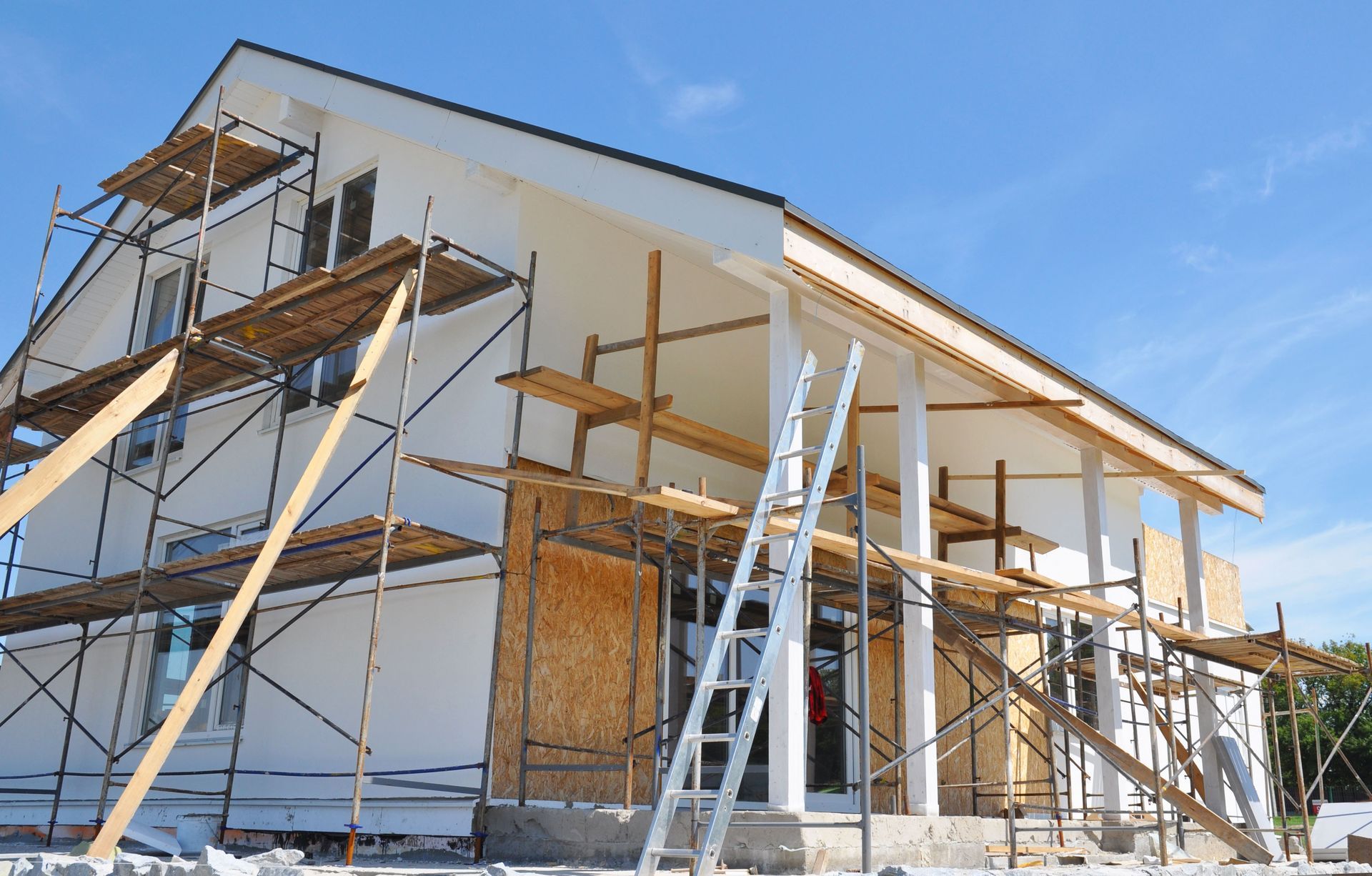
Starting a build or renovation project brings excitement, but it also leaves behind a substantial pile of debris. Once the tools are packed away, property owners and contractors face the daunting task of clearing out leftover structural components and damaged materials. Clearing a job site safely requires proper planning, time, and heavy equipment. Managing this debris on your own can quickly derail timelines and create unnecessary safety risks for workers and visitors.
Partnering with a professional construction waste cleanup service simplifies the post-build phase immensely. These teams specialize in gathering, loading, and hauling away bulk materials that standard municipal trash collectors refuse to pick up. By delegating the heavy lifting, site managers can make sure their project wraps up smoothly while complying with regional disposal regulations. Understanding what these specialized crews can haul helps you plan your site clearing efficiently.
1. Lumber and Scrap Wood
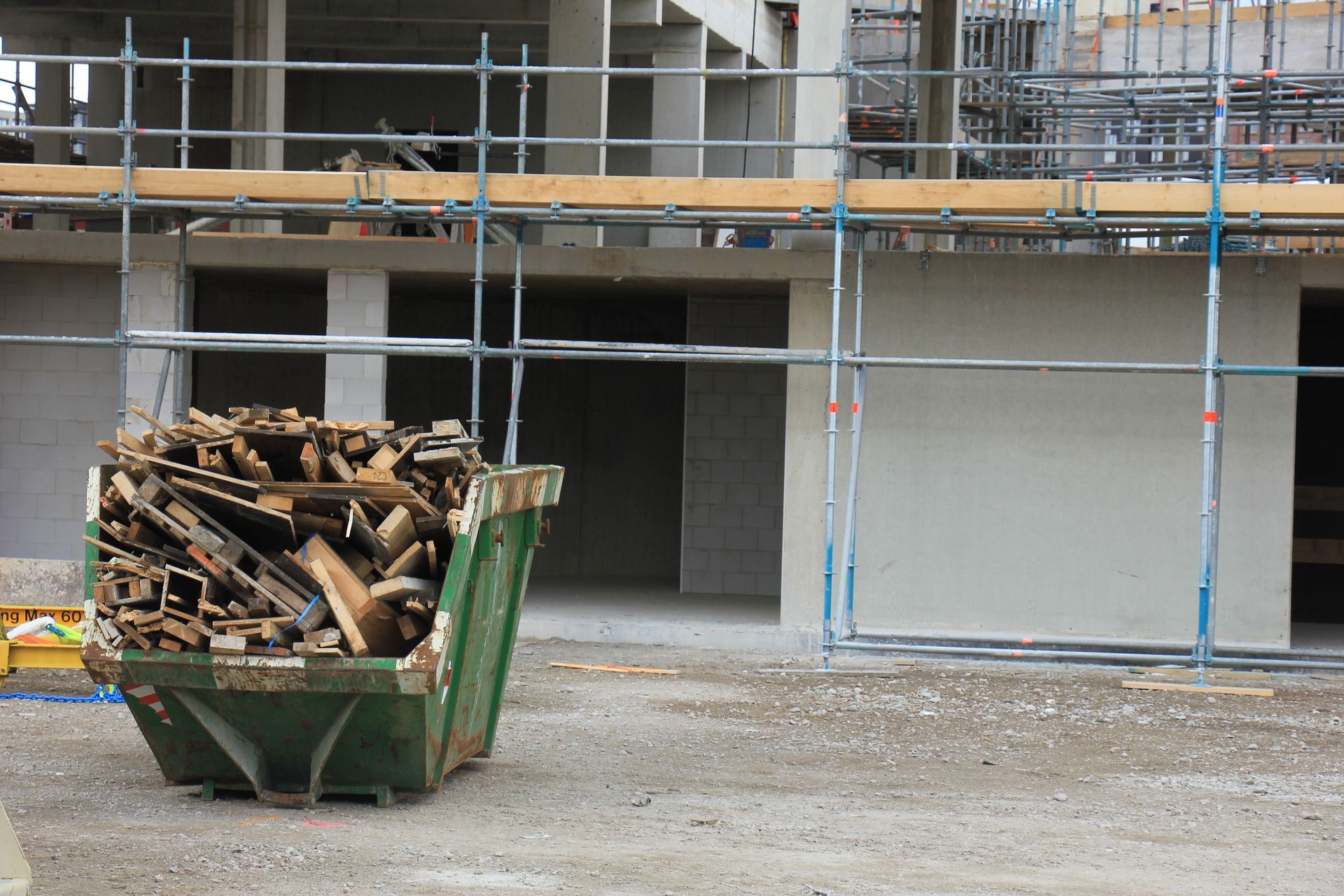
Wood debris represents one of the largest categories of leftover material on any structural job site. Frame construction, subflooring installation, and custom carpentry routinely produce stacks of off-cuts, damaged boards, and discarded wooden pallets. Unusable timber pieces left lying around create tripping hazards and take up valuable space on active job sites. Hiring a construction waste cleanup service ensures that wood piles are loaded and hauled away efficiently.
Scrap wood collected from project sites typically includes untreated dimensional lumber, plywood sheets, engineered wood beams, and wooden shipping crates. Heavy demolition work may also yield old timber posts, decayed roof decking, and structural joists that must be removed before site grading can begin. Hauling crews possess the proper vehicles to haul long boards and bulky framing pieces safely without damaging surrounding properties.
Many cleanup providers prioritize eco-friendly disposal methods whenever possible when dealing with wood products. According to Mesocore, between 35% and 50% of all solid waste is construction debris. Clean, untreated scrap wood can often be chipped into mulch or processed into biomass fuel, keeping tons of material out of local landfills. Treated lumber, painted boards, and wood containing adhesive compounds require specialized handling to prevent chemical leaching during disposal.
Having a clear plan for lumber removal keeps project timelines moving forward without delays. Scrap timber stacks can attract moisture, pests, and mold if left exposed to weather conditions for extended periods. Professional crews load these heavy materials quickly, allowing contractors to focus on final inspections and interior finishes rather than trash removal.
2. Drywall and Wallboard
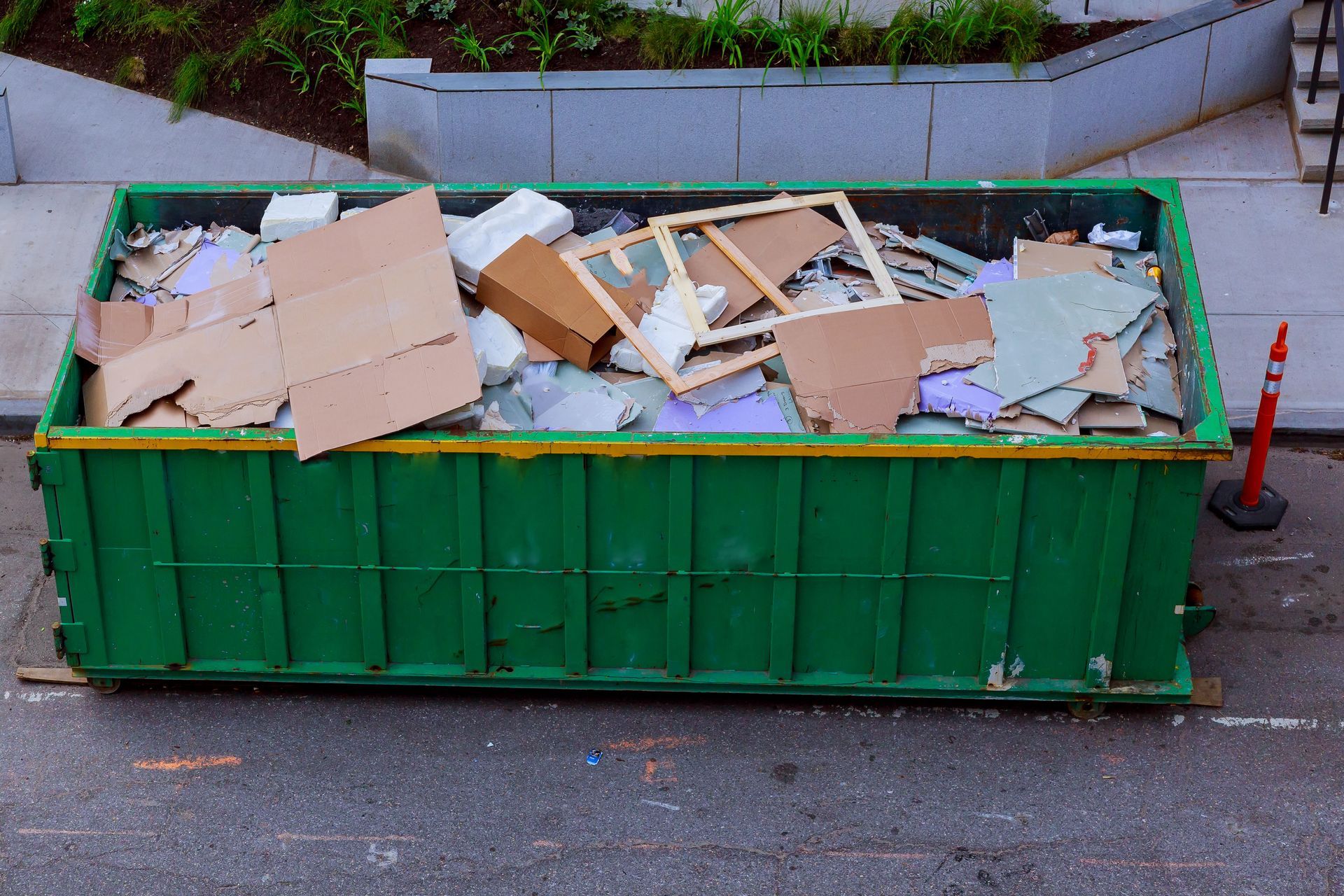
Interior fitting and remodeling projects generate significant amounts of gypsum board scrap. Installing new walls requires cutting sheetrock panels to size, leaving behind dozens of irregular cutoffs, broken sheets, and joint compound packaging. Leftover gypsum products deteriorate rapidly when exposed to humidity or rain, creating messy sludge that is difficult to sweep up. Scheduling a construction waste cleanup service keeps interior spaces clean and safe for finishing work.
Gypsum paneling is heavy, dusty, and prone to breaking during transit, making it difficult to haul in standard vehicles. Professional cleanup crews carry specialized bags, bins, and rolling containers designed to capture loose gypsum dust and broken drywall bits without making a mess. They clear out cutoffs from interior rooms, hallways, and staging areas so flooring installers and painters can begin their work without obstruction.
In addition to standard gypsum panels, crews regularly haul water-resistant greenboard, fire-rated drywall, and cement backer board used in tile installations. Old wallboard removed during teardown projects often features multiple layers of paint, wallpaper, and joint compound. Hauling specialists ensure these mixed drywall materials are transported securely to regional processing facilities designed to process heavy bulk debris.
Clearing drywall scrap promptly improves indoor air quality on the job site by reducing airborne dust particles. Fine gypsum dust can settle inside exposed mechanical systems, ductwork, and electrical outlets if left sitting on floors for too long. Timely removal protects newly installed equipment and ensures a healthier work environment for finishing crews.
3. Concrete and Masonry Materials
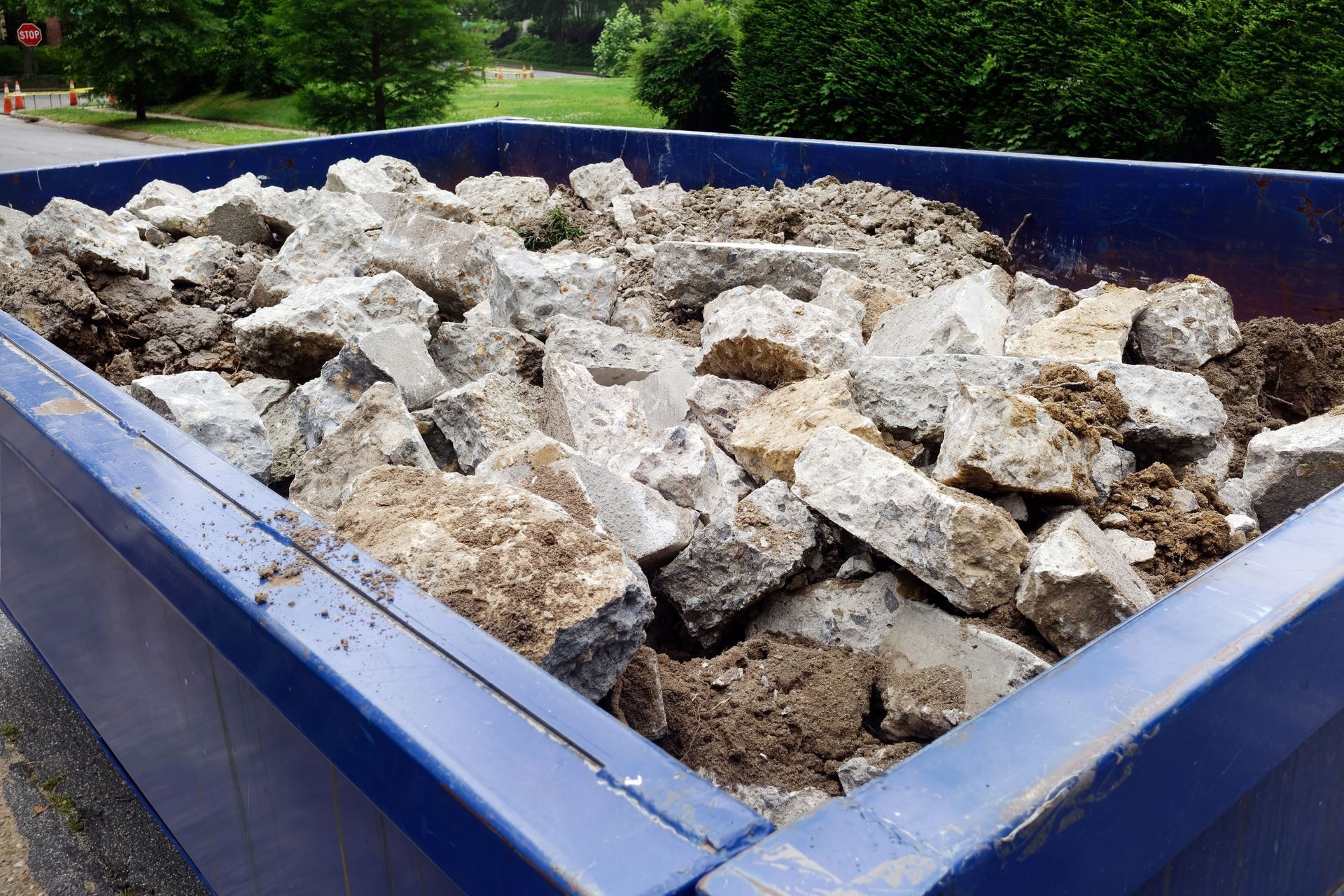
Demolition and foundational masonry work yield some of the heaviest and most challenging debris found on a site. Old concrete footings, broken foundation slabs, retaining wall blocks, and clay bricks require heavy machinery and reinforced hauling equipment to remove safely. Attempting to clear masonry debris manually without proper gear leads to worker exhaustion and potential physical injuries. Enlisting a construction waste cleanup service ensures heavy masonry is handled safely and legally.
Cleanup crews handle a wide array of masonry debris, including mortar droppings, stone pavers, ceramic tiles, and crushed asphalt from old driveways. These heavy items cannot go into standard trash containers due to strict weight limits enforced by waste management authorities. Specialized removal teams utilize heavy trucks capable of supporting high-tonnage loads, keeping your project compliant with highway weight guidelines.
Masonry materials are prime candidates for recycling and repurposing in new structural projects. Broken concrete slabs and masonry rubble are often transported to industrial crushing facilities where they are turned into aggregate base for new roads, foundations, and parking lots. Recycling dense masonry helps lower overall environmental impact while reducing landfill usage across local communities.
Removing masonry rubble early opens up essential space for land grading, outdoor landscaping, and utility installation. Stacks of broken concrete block foot traffic and block access for heavy machinery needed in later phases of the project. Professional haulers clear these stubborn obstacles rapidly, preparing the ground for final outdoor improvements.
4. Metal Framing and Fixtures
Metal debris is a common byproduct of both commercial developments and residential remodeling projects. Steel studs, copper plumbing pipes, aluminum siding, and iron ductwork accumulate quickly during structural alterations. Unprotected metal cutoffs feature sharp edges that pose serious puncture and cut risks to site workers. Utilizing a construction waste cleanup service helps eliminate dangerous metal hazards from working areas promptly.
Removal specialists collect all types of site metals, including light-gauge framing studs, structural steel beams, roofing panels, and wire mesh reinforcing mats. Demolition phases often yield old light fixtures, steel doors, plumbing fixtures, and electrical conduit lines that need safe removal. Professional crews haul these sharp, cumbersome items away using heavy gloves, specialized straps, and reinforced truck beds.
Metal recycling is standard practice within the waste management industry because scrap metals retain high manufacturing value. Scrap aluminum, copper wiring, and structural steel collected from job sites are sorted and delivered to local scrap processing centers. Recycling these metals conserves natural resources and reduces the energy consumption required to refine raw metallic ores.
Clearing leftover metal components ensures that all interior spaces remain clear for final mechanical, electrical, and plumbing inspections. Loose wires, conduit scraps, and metal framing cutoffs cluttering walkways create liability risks for property owners and builders alike. Prompt clearing services restore order to the site, allowing projects to pass final safety audits with ease.
Selecting a qualified construction waste cleanup service guarantees that your build site transitions smoothly from an active work zone to a finished project. Professional crews have the expertise and machinery needed to haul away lumber, drywall, concrete, and scrap metals efficiently. Delegating debris management protects your crew from injury, saves valuable labor hours, and maintains compliance with regional disposal regulations.
A clean, well-organized site reflects quality workmanship and protects your property investment from unnecessary hazards. Whether you are managing a small kitchen remodel or a multi-story commercial build, planning for efficient waste hauling is crucial for success. Reach out to a reliable local removal team today to secure professional hauling services for your upcoming construction or renovation project.
Contact AAA Carting today to schedule your
construction waste cleanup service and keep your job site safe, compliant, and ready for completion.

Share On: