
How to Reduce Construction Waste Before Breaking Ground
The construction industry faces the challenge of meeting growing infrastructure demands while limiting its environmental impact. Construction waste contributes to landfill accumulation, resource depletion, and pollution, making waste prevention an important part of responsible development. However, reducing debris does not have to begin after construction starts. Careful planning, sustainable material choices, and effective coordination can limit unnecessary waste before a project begins. These steps can also control expenses, improve efficiency, and make construction waste disposal more manageable.
Assessing the Construction Site Before Development
Identifying Site Constraints and Existing Features
A thorough site assessment helps developers understand existing property conditions before finalizing construction plans. Natural features such as mature trees, wetlands, and nearby waterways may require protection. Local zoning requirements, building codes, and community guidelines also influence how a site can be used. Identifying these considerations early helps prevent unnecessary design changes, material removal, and additional debris.
Evaluating Soil Conditions and Topography
Soil composition and land contours influence foundation requirements, drainage, and excavation needs. Understanding these conditions helps engineers select appropriate building methods and avoid unnecessary earthmoving. Designing around natural topography can reduce soil displacement and limit excess material requiring hauling. These evaluations also help project managers anticipate challenges before they create additional waste.
Estimating Potential Waste Generation
Developers should estimate how much waste a project may generate based on its size, design, and planned activities. Identifying likely waste streams makes it easier to determine which materials can be reused, recycled, or removed through construction waste disposal services. According to Soocial, in the United States, about 70% of construction and demolition waste is recycled. This highlights the importance of incorporating material recovery into project planning.
Incorporating Sustainable Design Principles
Selecting Recycled and Renewable Materials
Choosing recycled and renewable building materials can reduce demand for newly extracted resources. Reclaimed lumber, recycled steel, and recovered concrete are examples of materials that may be incorporated into suitable projects. Renewable options, including bamboo, can also support responsible construction practices. Selecting these products during the design phase helps reduce the environmental impact associated with material production and disposal.
Designing Buildings for Future Reuse
Designing structures with future adaptability in mind can reduce discarded materials during renovations or eventual deconstruction. Accessible connections, reusable components, and flexible interior layouts make it easier to modify buildings without removing entire sections. When materials can be separated and recovered instead of destroyed, they may serve another purpose in a future project.
Using Modular and Prefabricated Components
Modular and prefabricated construction methods can limit waste by moving manufacturing activities away from the job site. Components are produced in controlled environments, where measurements and material quantities can be managed more precisely. This reduces cutting scraps, damaged supplies, and installation errors. Prefabrication also limits on-site packaging and storage needs.
Planning Material Procurement Carefully
Sourcing Materials From Local Suppliers
Purchasing building materials from nearby suppliers can reduce transportation distances and associated emissions. Local sourcing may also make deliveries easier to coordinate and allow contractors to respond quickly when additional materials are needed. These advantages can prevent excessive ordering and reduce the possibility of supplies sitting unused. Choosing regional products also supports local businesses.
Coordinating Deliveries With Construction Schedules
Just-in-time delivery involves scheduling material shipments according to when crews need them. This approach reduces on-site inventory, where exposure to moisture, temperature changes, and accidental damage can make supplies unusable. It also limits clutter and makes materials easier to organize. Effective coordination between contractors and suppliers is necessary to prevent delays.
Reducing Excessive Material Packaging
Packaging can account for a considerable portion of construction debris. Contractors can limit this waste by choosing suppliers that offer bulk materials, reusable containers, or reduced packaging options. Some vendors also provide packaging return programs. Discussing these options before placing orders helps project managers account for packaging waste alongside leftover building supplies.
Developing a Waste Management Strategy
Identifying and Separating Waste Materials
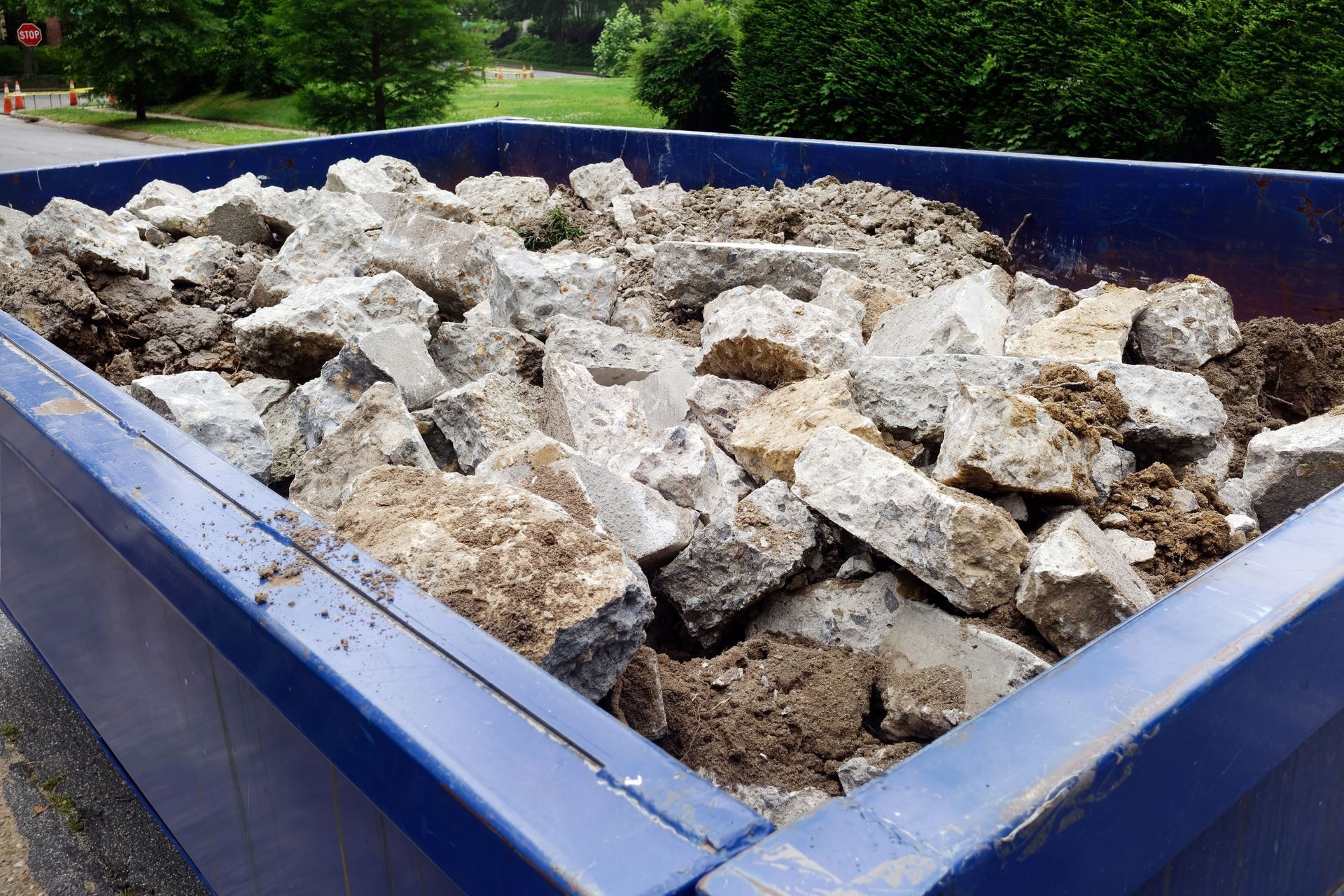
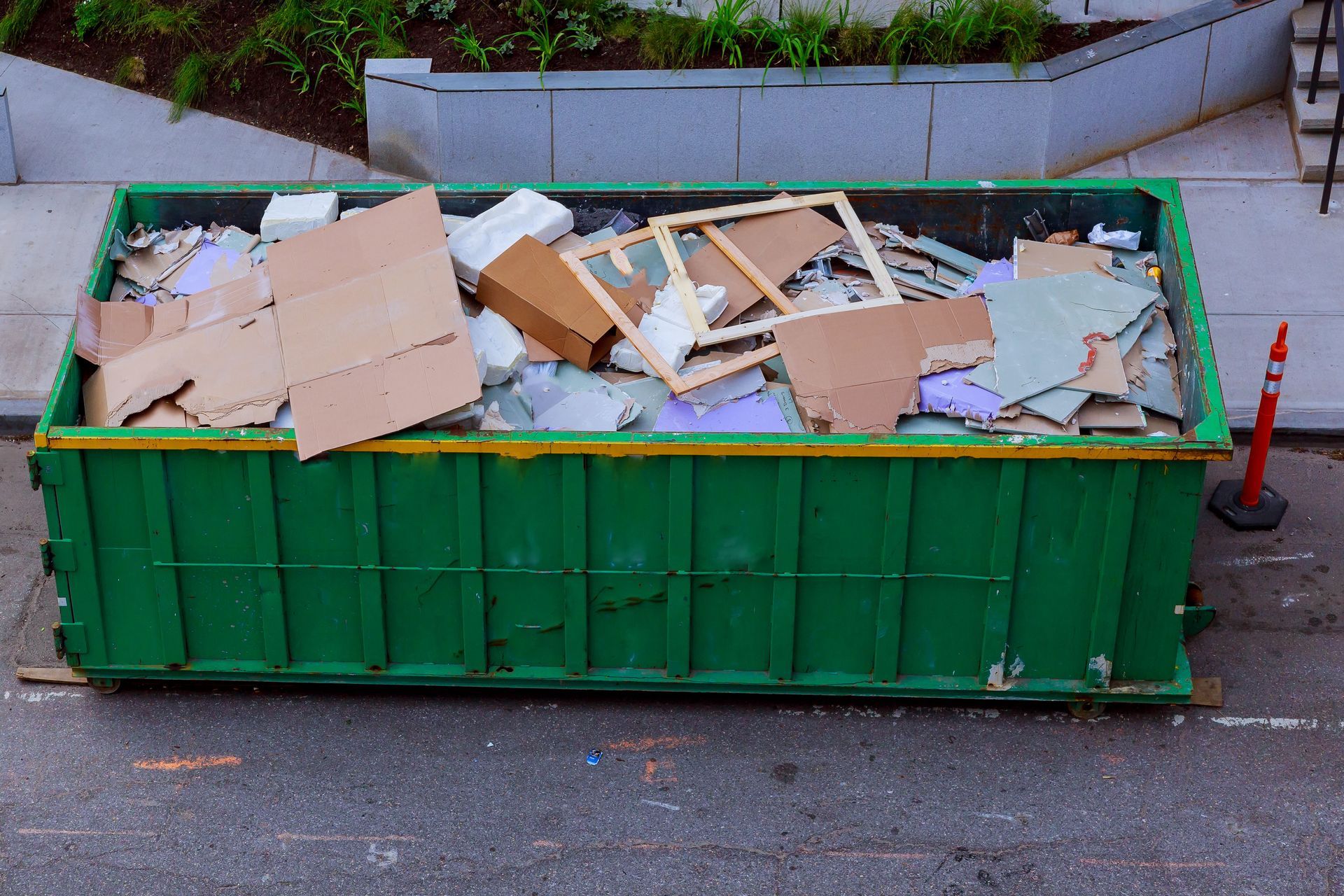
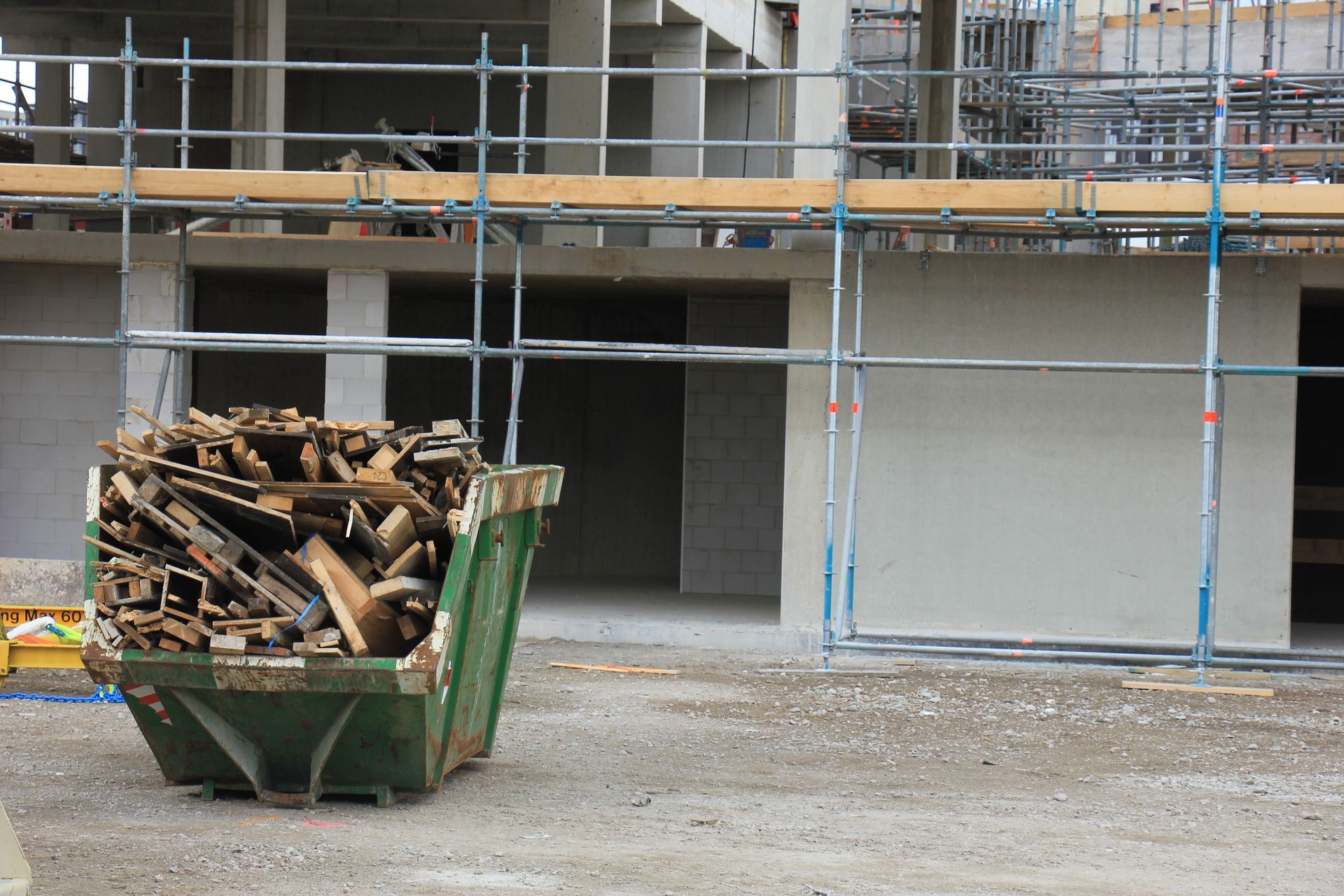
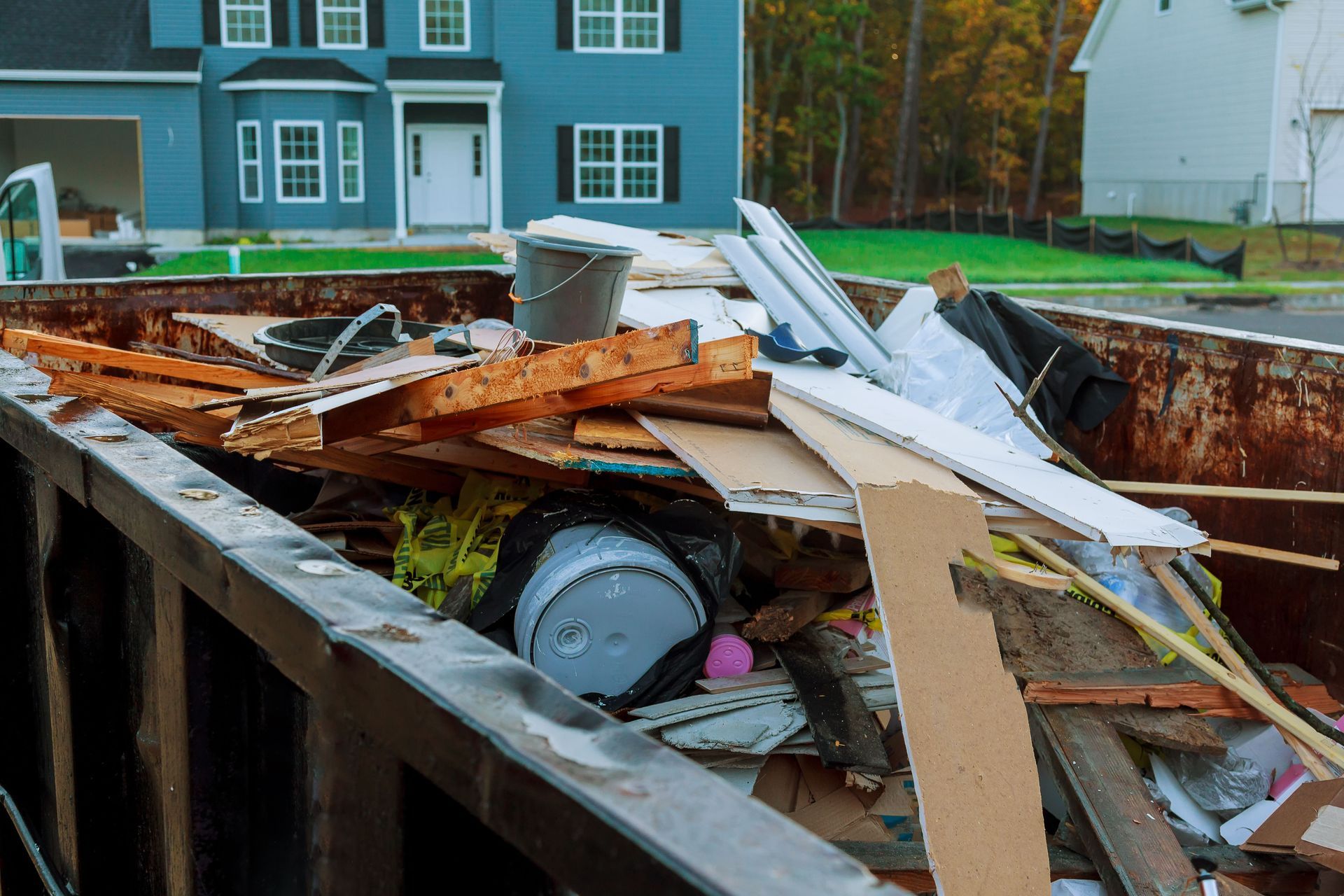
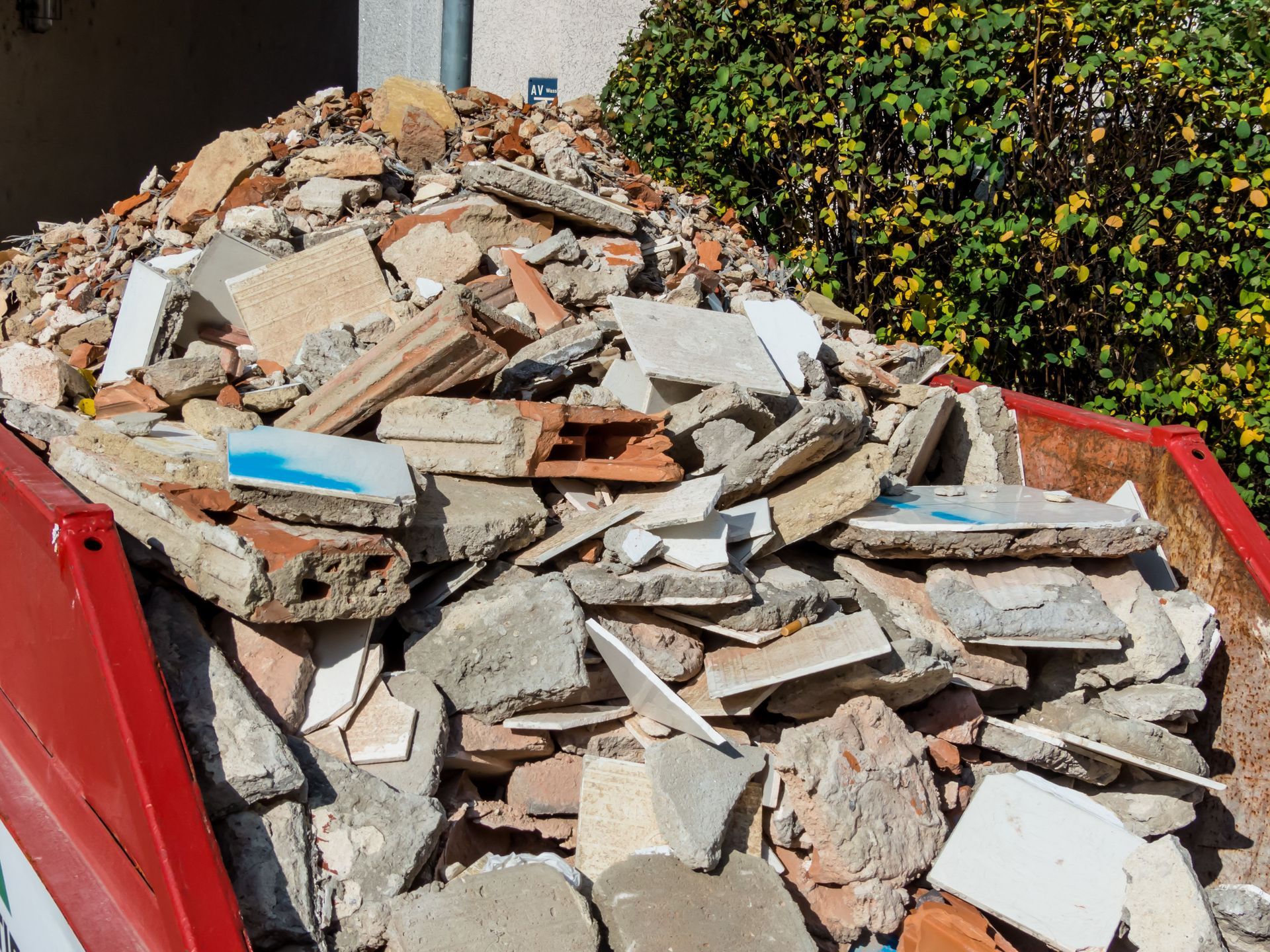
Construction projects generate different types of debris, including wood, concrete, drywall, metal, cardboard, and plastic. Each material may have different recycling, reuse, or disposal requirements. Identifying these waste streams before work begins allows managers to establish appropriate collection methods. Planning construction waste disposal early also helps prevent recyclable materials from becoming contaminated by mixed debris.
Establishing Waste Reduction and Recycling Goals
Measurable waste reduction goals give construction teams a way to evaluate their progress. Project managers might establish targets for reducing excess material purchases, recovering usable lumber, or diverting recyclable debris from landfills. These goals should reflect the project's size, available recycling facilities, and material requirements. Reviewing progress helps teams identify opportunities for improvement.
Planning Collection and Removal Access
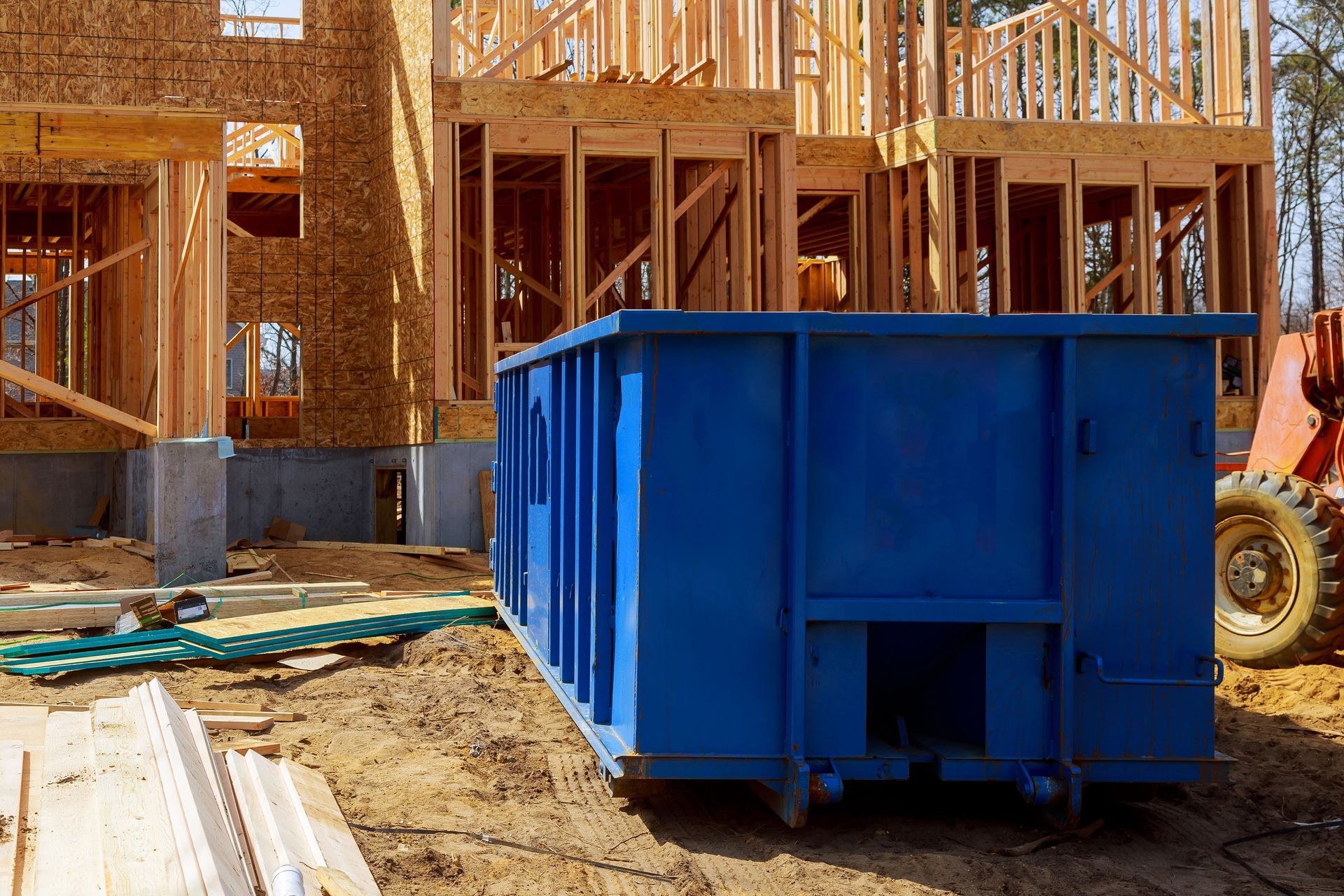
Waste collection areas should be incorporated into the initial site layout. Designating accessible locations for debris containers and recycling stations can reduce unnecessary movement around the property. Contractors should also consider delivery routes and available working space. Planning these details makes debris removal easier to coordinate as project phases are completed.
Coordinating With Construction Stakeholders
Involving Architects and Engineers Early
Architects and engineers influence many decisions that affect material use and waste generation. Involving them early allows project teams to identify opportunities for efficient designs, accurate measurements, and alternative building materials. Their input can also help prevent design changes that require previously installed materials to be removed. Early coordination gives everyone a clearer understanding of sustainability objectives.
Working With Contractors and Suppliers
Contractors and suppliers provide practical insight into material requirements, delivery schedules, and potential sources of waste. Their involvement helps ensure waste reduction plans are realistic and compatible with construction activities. Regular communication also allows teams to address ordering mistakes, damaged supplies, and scheduling conflicts before they contribute to larger problems.
Coordinating With Waste Removal Providers
Waste removal providers can help contractors plan for the collection and transportation of construction debris. Discussing anticipated material volumes, project timelines, and container placement before work begins makes removal easier to organize. Contractors should also communicate whether materials require separate handling. This preparation supports an organized construction waste disposal process and prevents unnecessary debris accumulation.
Using Technology to Prevent Material Waste
Applying Building Information Modeling
Building Information Modeling (BIM) gives construction teams a detailed digital representation of a planned structure. These models help architects, engineers, and contractors coordinate measurements, identify design conflicts, and estimate material requirements. Detecting potential problems before construction begins can reduce mistakes that lead to discarded supplies or costly modifications. BIM also supports collaboration by giving stakeholders consistent project information.
Using Data to Improve Material Estimates
Historical project information and material tracking systems can help managers make more accurate purchasing decisions. Reviewing previous waste patterns may reveal where projects regularly order too much lumber, concrete, drywall, or other supplies. These findings can inform future estimates and help contractors adjust purchasing quantities. Better forecasting reduces excess inventory while supporting construction waste disposal planning.
Exploring Innovative Construction Methods
Advances in construction technology offer additional opportunities to reduce material waste. Precision cutting equipment, automated measurements, and three-dimensional printing can help limit errors and improve material utilization. New building products may also incorporate recycled content or reduce the amount of material needed for certain applications. Evaluating these options during project planning helps developers make informed decisions.
Reducing construction waste requires more than arranging debris removal after a project is underway. Site assessments, sustainable design, careful purchasing, and coordinated waste management contribute to a more responsible building process. With thoughtful preparation, contractors can limit unnecessary material consumption and make better use of available resources.
For contractors planning upcoming developments, AAA Carting provides waste removal and recycling services to support construction projects. Contact the team to discuss construction waste disposal options and plan for debris removal before breaking ground.



Share On: