
How to Choose the Right Dumpster Size for Your Project
Planning a home renovation, major cleanout, or commercial construction project requires careful organization, physical effort, and efficient waste management strategies. One of the most critical logistical decisions you will make during project preparation is selecting the appropriate container size for your debris. Underestimating your waste volume leads to overflowing containers, unexpected delay fees, and the need for multiple pickup cycles. Conversely, renting a container that is far too large results in wasted budget resources that could be better allocated toward building materials. Securing a reliable construction dumpster rental provides a convenient, centralized waste disposal hub that keeps your job site clean, organized, and compliant with local municipal codes. Exploring the core factors that influence container selection ensures you pick the perfect capacity for your upcoming project.
Assessing Project Scope and Estimating Total Waste Volume
Accurately calculating waste volume before work begins is the fundamental first step in choosing the right container capacity. Household items, heavy masonry materials, and general construction debris occupy space in vastly different ways. A minor bathroom update generates far less bulk than a full kitchen overhaul or a complete roof tear-off. Partnering with a professional supplier for your construction dumpster rental allows you to discuss specific project parameters, such as room square footage and material density, with industry experts. Considering both the physical footprint and the weight of your debris prevents mid-project surprises and keeps work moving according to schedule. Evaluating your total scope thoroughly upfront saves time, prevents site clutter, and ensures you secure a container capable of handling all your waste seamlessly.
Understanding Standard Container Dimensions and Capacity Limits
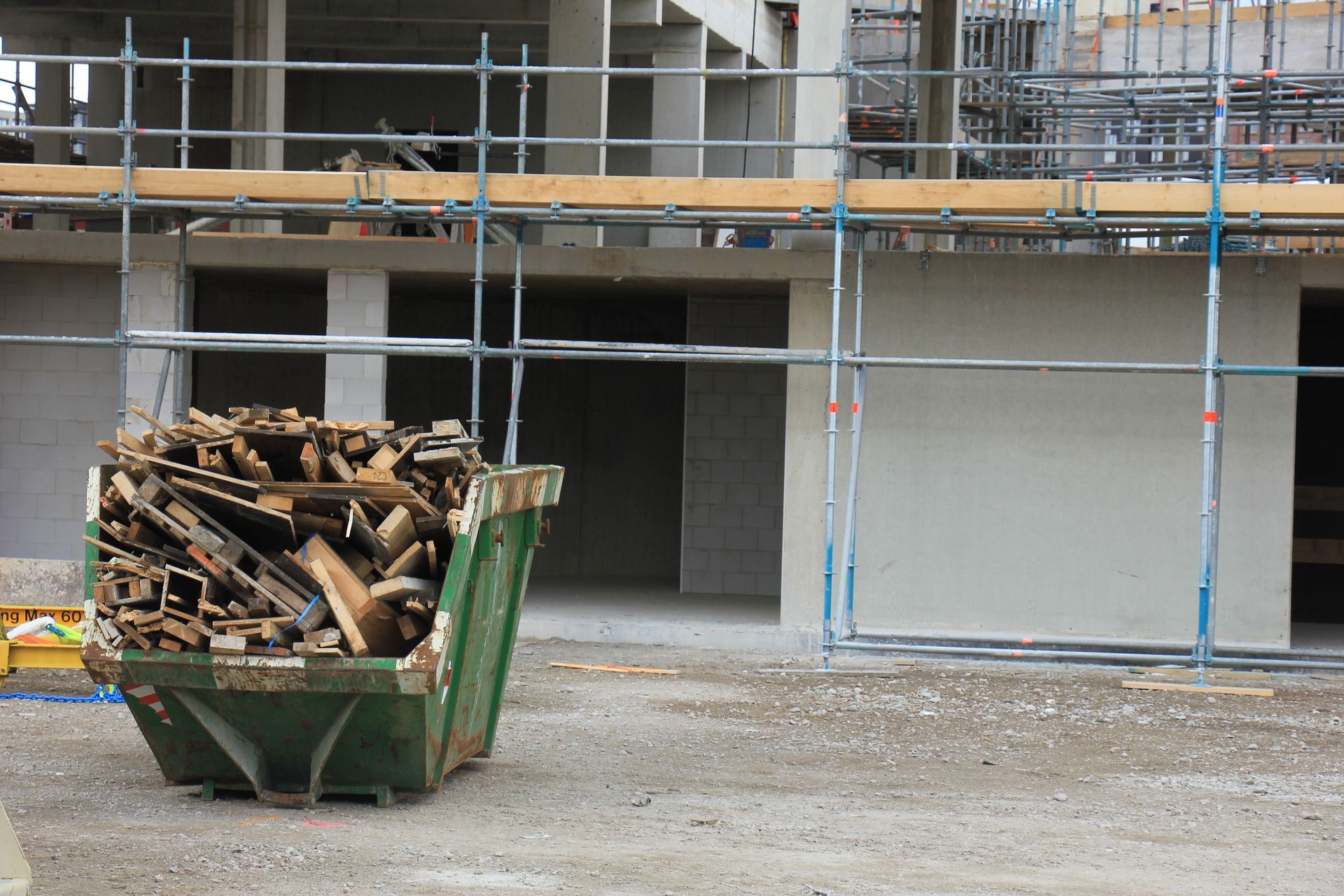
Waste management providers typically categorize container sizes by cubic yard capacity, ranging from compact ten-yard options to massive forty-yard containers. A ten-yard container works exceptionally well for small residential projects like garage cleanouts, small deck removals, or minor landscaping overhauls. Medium-sized twenty-yard options accommodate mid-scale home remodeling, multi-room flooring updates, or partial roofing projects. Arranging a thirty-yard or forty-yard construction dumpster rental is generally reserved for large-scale home additions, major structural demolitions, or commercial building endeavors. Each container size features distinct physical length, width, and height dimensions, making it essential to choose an option that fits comfortably within your designated driveway or staging area without obstructing property access.
Evaluating Material Weight Limits and Heavy Debris Considerations
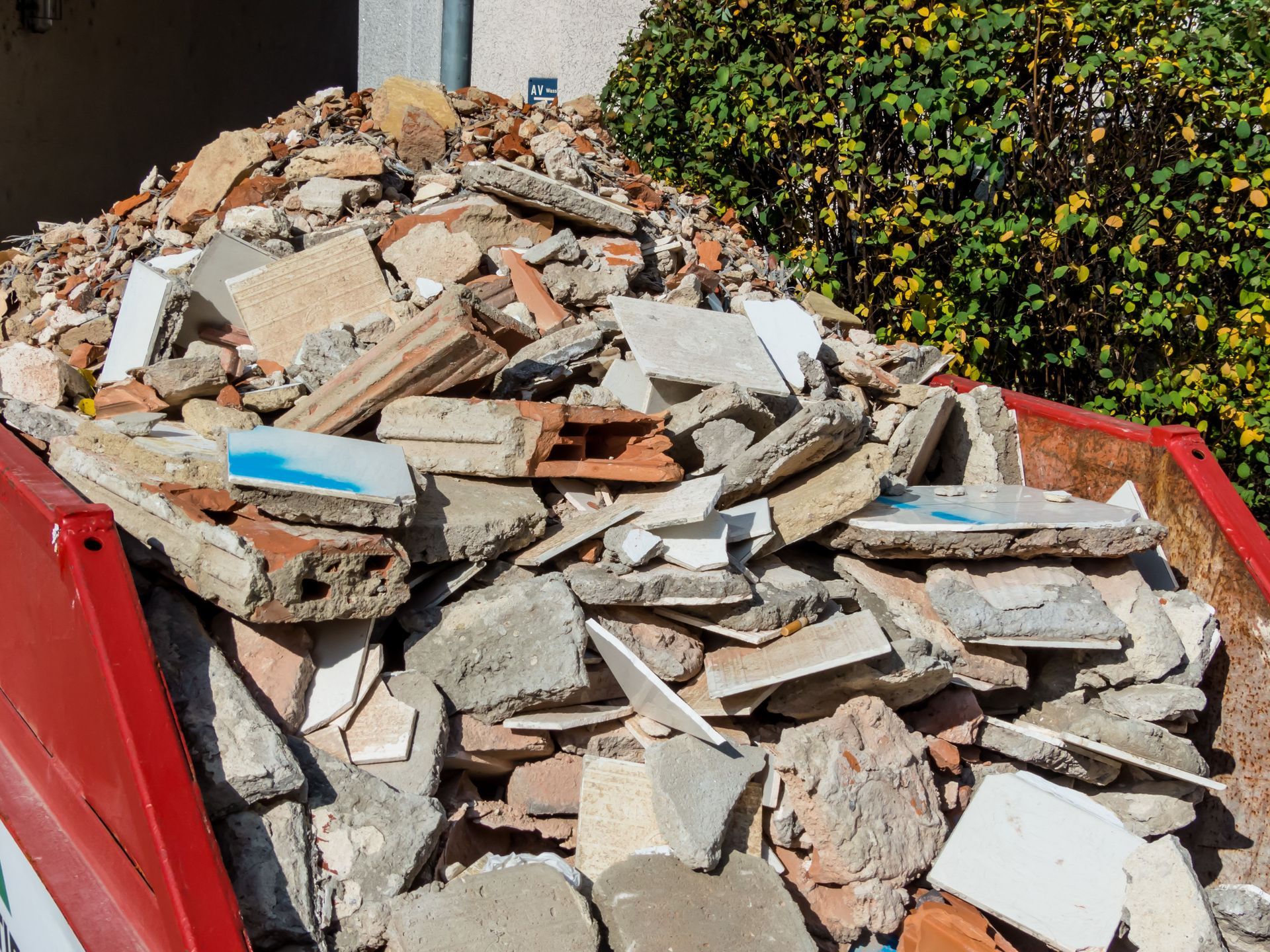
Volume is only one part of the equation when selecting waste containers, as weight limits play an equally vital role in container sizing. Heavy materials like dirt, concrete, bricks, asphalt, and wet soil quickly reach maximum legal weight thresholds before filling the container visually. Transportation safety regulations mandate strict weight limits for hauling trucks operating on public roads and highways. When planning masonry or foundation work, reserving a specialized heavy-material construction dumpster rental ensures you do not exceed municipal road weight limits. Exceeding agreed-upon weight allowances can result in heavy overage fees or require labor-intensive manual unloading before the truck can transport the container. Discussing the exact material types you plan to discard with your provider guarantees that weight thresholds match your specific debris profile.
Environmental Impact and Responsible Construction Waste Management
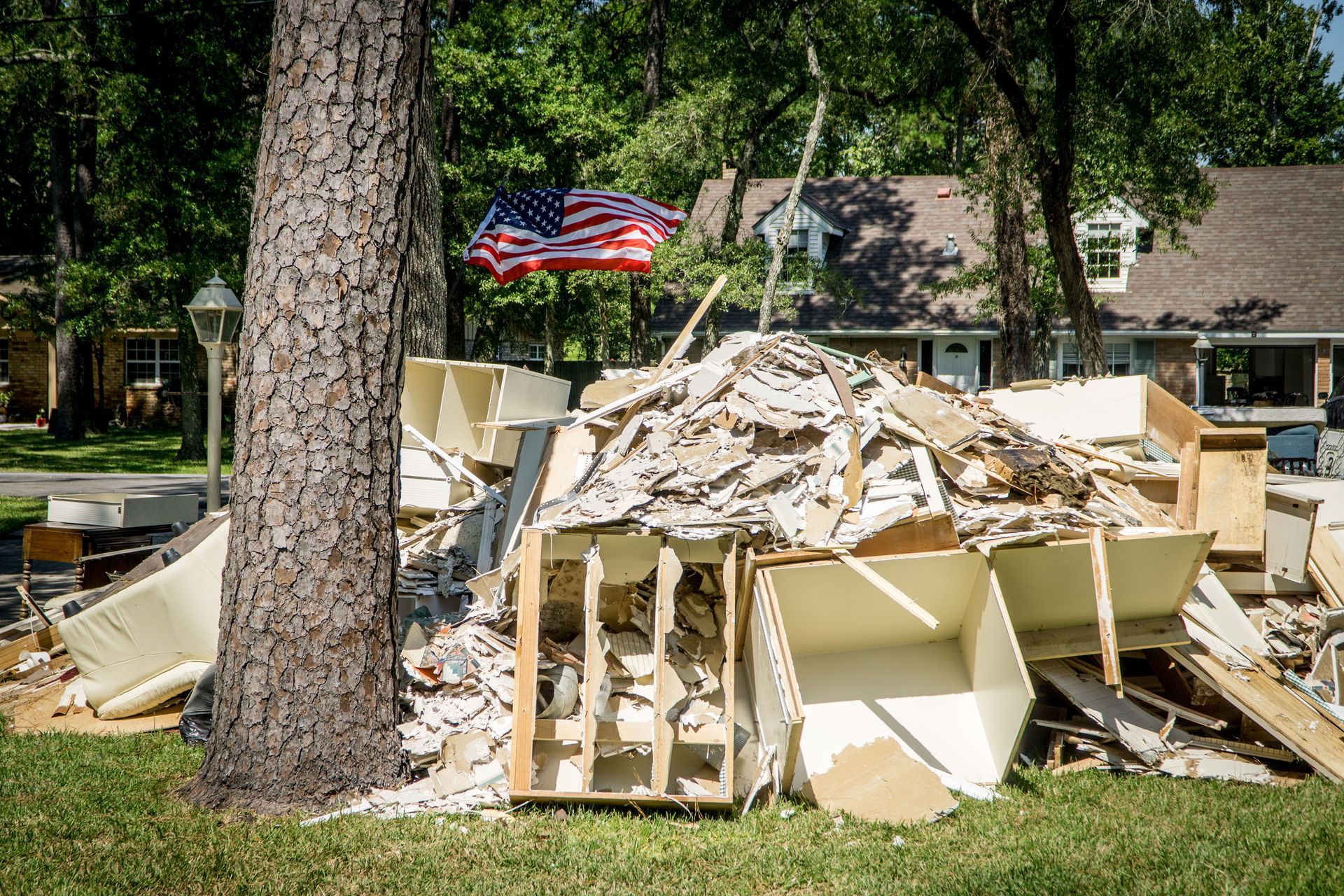
Disposing of building materials responsibly is an increasingly important consideration for eco-conscious homeowners and general contractors alike. Modern waste sorting facilities strive to recycle usable lumber, scrap metal, cardboard, and aggregate materials whenever possible. Promoting sustainable building practices is essential, especially given the sheer volume of debris generated by the building industry every year. According to Big Rentz, over 75% of debris generated from wood, drywall, asphalt shingles, bricks, and clay tiles in construction ends up deposited in landfills. Utilizing a dedicated construction dumpster rental helps centralize debris collection, allowing waste management teams to haul materials directly to sorting facilities that divert recyclable items away from local landfills. Choosing an environmentally conscious disposal provider helps reduce the overall ecological footprint of your renovation project.
Preparing Your Property for Safe Delivery and Placement
Selecting the right container size also requires assessing the physical layout of your driveway, yard, or job site. Large roll-off containers require adequate overhead clearance from low-hanging tree branches, power lines, and roof eaves during the unloading process. The delivery truck needs a wide, flat pathway to back in safely and drop the container without damaging surrounding landscape features. Coordinating your construction dumpster rental delivery includes laying down wooden protective boards on asphalt or concrete driveways to prevent surface scratching or structural cracking from heavy loads. Ensuring clear driveway access on delivery day eliminates dropped delivery fees and guarantees your container is positioned conveniently for easy loading throughout the project duration.
Reviewing Local Municipal Permits and Right-of-Way Regulations
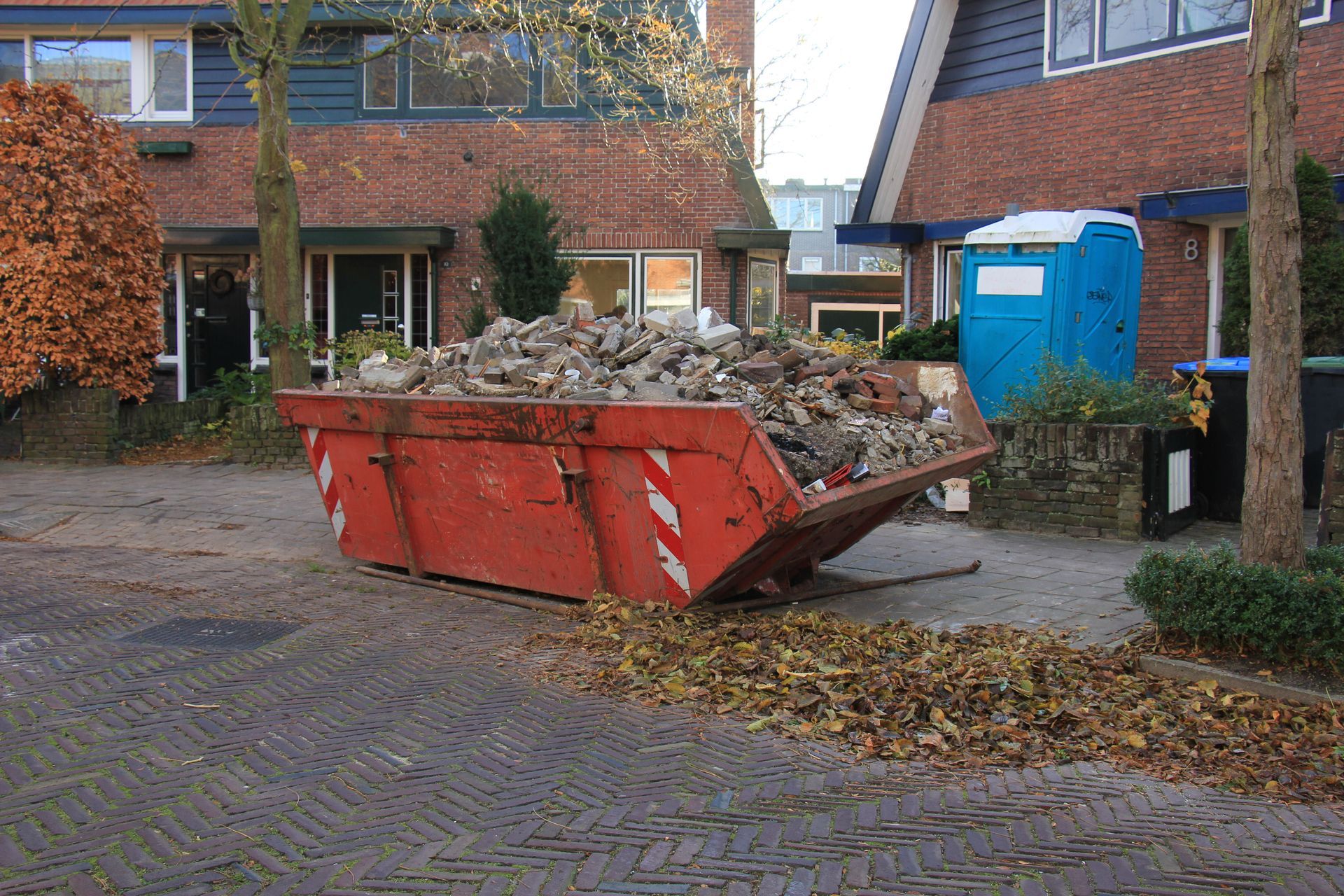
Navigating local regulatory requirements is an essential step when placing waste containers on municipal property or public streets. Many city ordinances require formal street placement permits if a roll-off container must sit on a public road, sidewalk, or alleyway rather than a private driveway. Working with an experienced provider for your construction dumpster rental helps clarify whether your designated placement location triggers local permit fees or reflective safety equipment rules. Obtaining necessary permits prior to delivery prevents costly municipal fines, official stop-work orders, or unexpected container impoundment by city authorities. Ensuring full legal compliance guarantees a seamless rental experience while maintaining positive relationships with local code enforcement and nearby neighbors.
Maximizing Container Space Through Strategic Material Loading
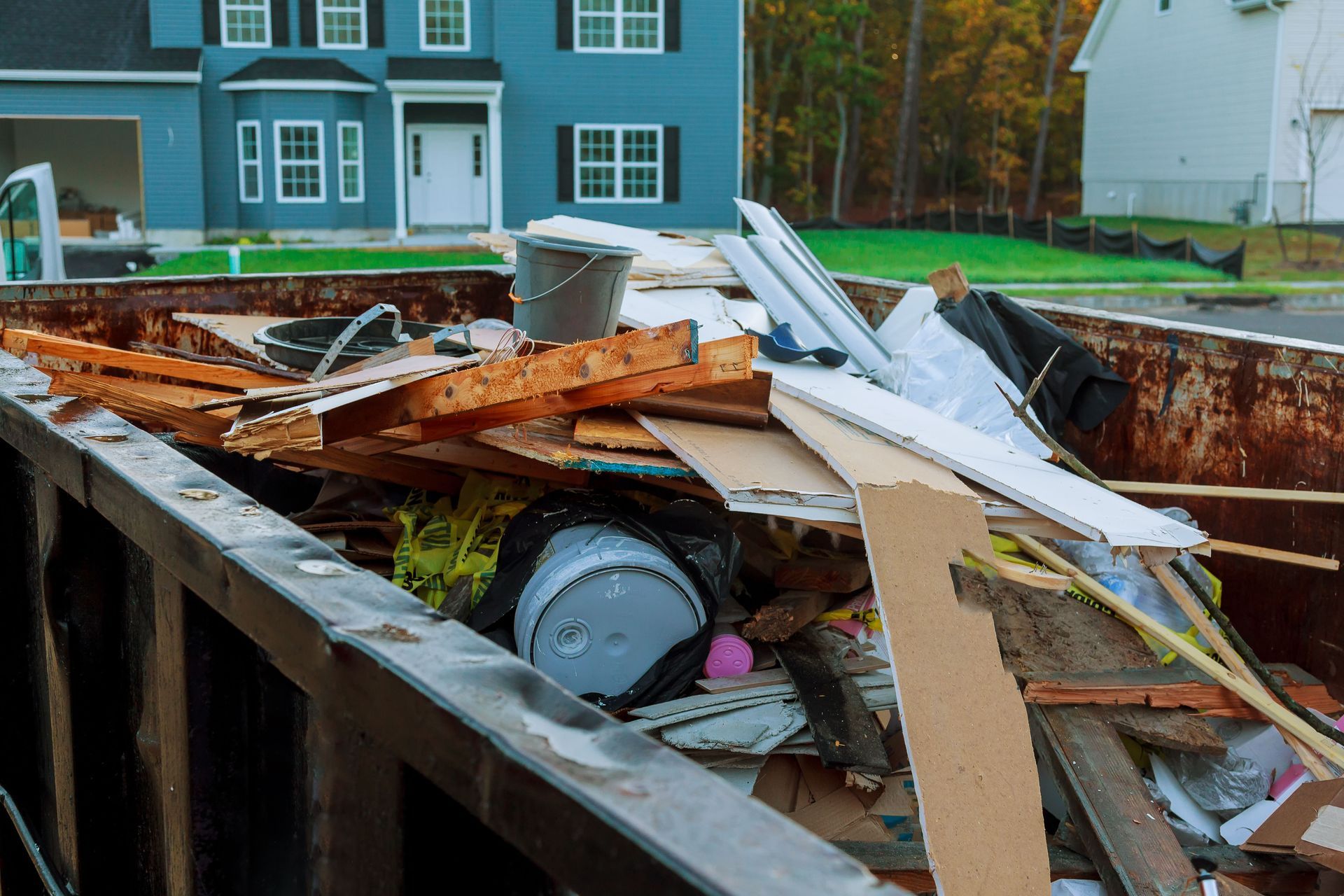
Loading your container systematically allows you to maximize internal space and avoid unnecessary capacity upgrades. Flat, bulky items such as plywood, doors, and large cardboard boxes should be placed horizontally along the bottom of the container to establish a flat baseline. Breaking down large furniture pieces, cabinets, or framing lumber prevents hollow air pockets that waste valuable interior volume. Arranging your construction dumpster rental loading process efficiently ensures that weight is distributed evenly across the floor of the container. Evenly distributed weight improves transportation stability and allows you to fit considerably more debris safely below the maximum fill line. Filling gaps with smaller loose debris ensures you utilize every available cubic yard of capacity.
Managing Project Timelines and Avoiding Costly Rental Overages
Project timelines directly impact total rental expenses, making it crucial to align your container delivery with your active work schedule. Ordering a container too far in advance can lead to unnecessary daily rental extensions or tempt neighbors to dump their personal trash in your container. Scheduling your construction dumpster rental to arrive precisely when demolition begins keeps work moving efficiently without idle days. Standard rental terms usually include a set period, such as seven to ten days, with optional extensions available for longer projects. Communicating your exact schedule with your service provider ensures seamless pickup coordination as soon as your project reaches completion. Proper scheduling prevents daily overage charges and ensures your property returns to normal as quickly as possible.
Choosing the right container size is a fundamental element of successful project planning, ensuring safe site operations, controlled costs, and smooth workflow. By carefully evaluating waste volume, material weight, delivery access, and environmental impacts, property owners and contractors can select a container that meets their exact project demands. Taking a strategic approach to loading and scheduling further protects your budget while maintaining a clean, efficient working environment. Relying on professional disposal partners ensures your project debris is managed responsibly, safely, and in full compliance with local regulations. Streamlining your waste disposal setup today creates the organized foundation necessary for a stress-free, successful renovation or construction project. Contact AAA Carting today to reserve the perfect dumpster size for your next project and enjoy prompt, dependable service!

Share On: