
What Contractors Should Know Before Planning Construction Waste Disposal
Understanding the complexities of managing debris is crucial for contractors, not only to ensure compliance with regulations but also to promote sustainable practices. Construction projects inherently generate a significant amount of debris, which can impact both operational efficiency and environmental sustainability if not managed properly.
Understanding Material Streams
Categorizing Debris Streams
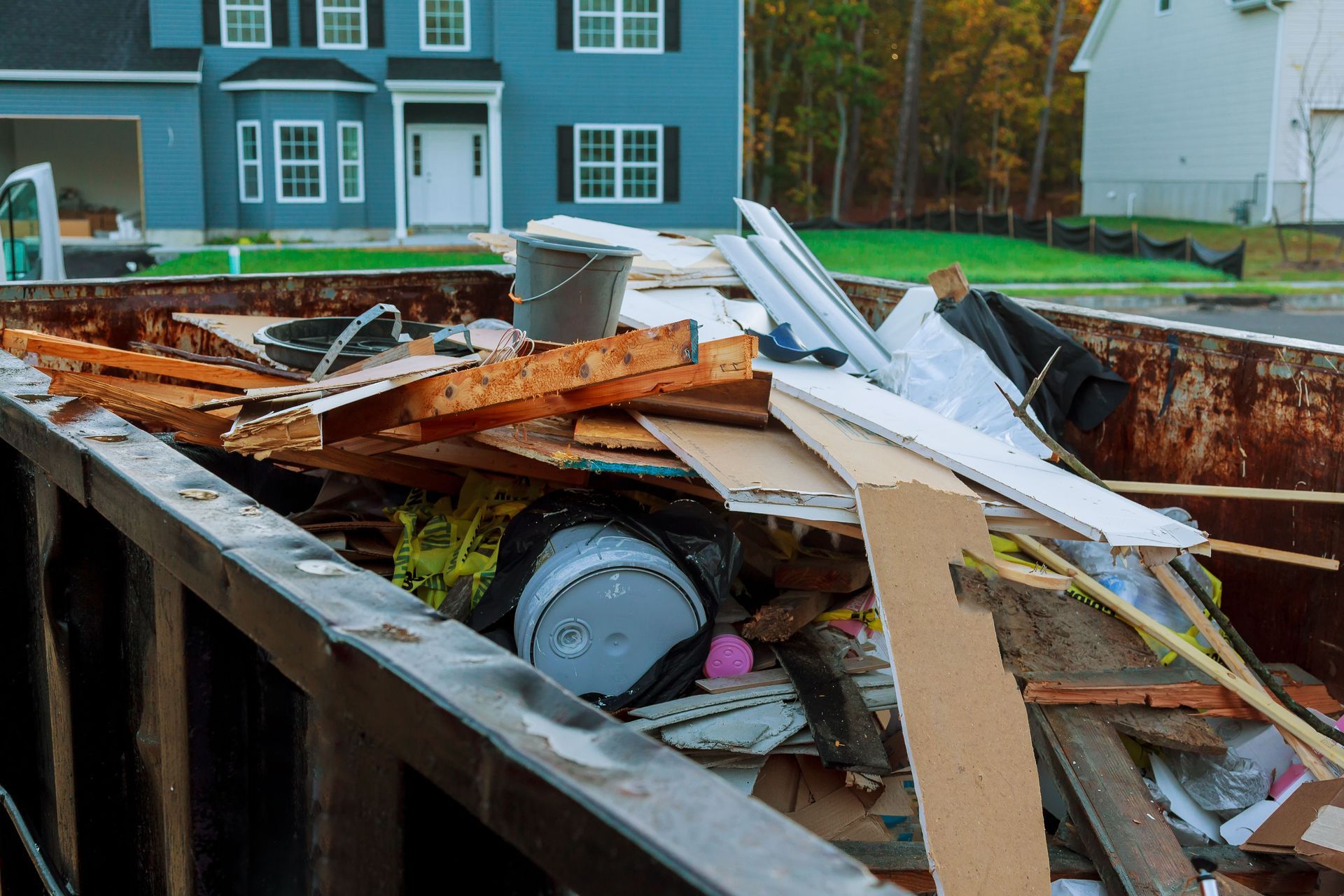
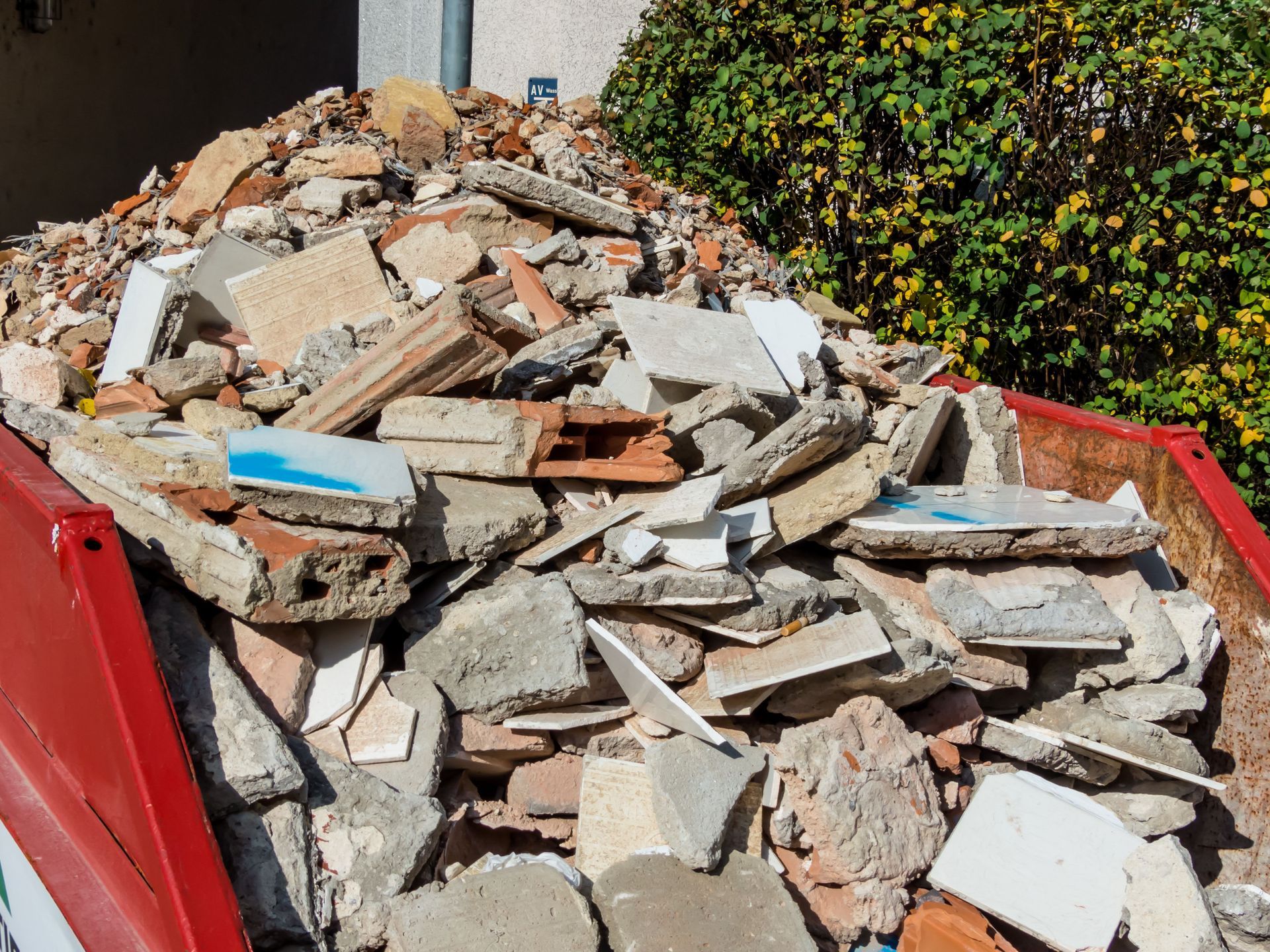
Construction sites produce a variety of waste types, each requiring distinct removal methods. Common jobsite debris includes structural remains, leftover components, and packaging materials. Wood, concrete, and metal are among the most prevalent items found in these streams.
Distinguishing Hazardous Compounds
Differentiating between hazardous and non-hazardous materials is critical for environmental compliance. Hazardous items include chemicals, paints, solvents, and asbestos, requiring specialized handling to prevent contamination. Non-hazardous items typically include dirt, bricks, and insulation. According to Big Rentz, over three-quarters of all construction waste from drywall, asphalt shingles, wood, bricks and clay tiles will end up in a landfill.
Identifying Recyclable Items
Recycling plays a crucial role in reducing project refuse and promoting sustainability. Many building materials, such as metals, concrete, and certain plastics, can be efficiently recycled into reusable resources. Reusing materials conserves natural resources and reduces the amount of debris sent to landfills.
Sorting Mixed Streams
Mixed jobsite debris, which combines various types of materials, presents a unique challenge. Efforts should be made to segregate materials at the source to minimize contamination and maximize recycling potential. Employing trained personnel or specialized management companies can help in efficiently sorting and processing mixed loads.
Minimizing On-Site Production
Reducing on-site generation is one of the most effective strategies for managing excess materials. Contractors can achieve reductions by implementing practices such as just-in-time delivery and prefabrication. Educating the workforce about efficient material use and reduction techniques is crucial for minimizing overall jobsite leftover items.
Navigating Regulations and Compliance
Reviewing Environmental Mandates
Environmental regulations govern how structural leftovers must be handled and processed, ensuring minimal impact on the environment. Compliance with key regulations, such as those set by the Environmental Protection Agency (EPA), is necessary for all contractors.
Securing Project Permits
Obtaining the necessary permits and maintaining proper documentation are integral parts of tracking material streams. Permits ensure regulatory compliance and facilitate the lawful processing of physical debris. Accurate documentation, including tracking manifests and logs, remains crucial for audits and inspections.
Avoiding Non-Compliance Penalties
Failing to adhere to environmental mandates can result in severe penalties, including substantial fines and legal actions. These penalties emphasize the importance of understanding and tracking material workflows. Regulatory bodies frequently conduct site inspections to ensure contractors follow established legal protocols.
Organizing Waste Management Planning
Designing Comprehensive Frameworks
A comprehensive management plan serves as the cornerstone of efficient jobsite cleanup. This blueprint should outline procedures for segregation, storage, recycling, and final tracking. Detailed plans help contractors anticipate logistical challenges and allocate transport assets efficiently.
Establishing Reduction Targets
Setting clear, achievable reduction goals is vital for minimizing overall structural refuse. These goals should be specific, measurable, and aligned with project sustainability objectives. Contractors can utilize metrics such as diversion rates and recycling percentages to monitor ongoing site performance.
Coordinating Hauling Services
Partnering with reliable logistics vendors is crucial for successful construction waste disposal operations. These partnerships ensure that materials are collected, processed, and tracked in accordance with modern regulatory standards. Regular communication with logistics providers helps streamline scheduling and site staging.
Budgeting Essential Resources
Allocating appropriate assets for site cleanup is essential for managing structural debris effectively. This investment includes designating specialized safety personnel, budgeting for hauling services, and sourcing necessary containment equipment. Proper funding and staff training maintain high standards throughout the project lifecycle.
Choosing the Right Waste Disposal Methods
Comparing Landfill Alternatives
Landfill routing remains a common tracking method, but it features prominent environmental drawbacks. Alternatives such as recycling, direct component reuse, and energy recovery offer more sustainable operational paths. Diverting physical debris from landfills reduces greenhouse emissions and preserves regional resource reserves.
Maximizing Processing Programs
Recycling and repurposing structural components are highly effective strategies for reducing environmental footprints. Metals, glass, and concrete can be processed and integrated into subsequent building designs. Embracing these processing frameworks significantly limits the accumulation of landfill trash over the course of a project.
Composting Organic Elements
Composting biodegradable project elements offers an organic alternative to standard land disposal. Organic matter like untreated wood, paper, and biodegradable plastics can be processed to create nutrient-rich soil amendments. Turning this debris into fertile topsoil helps complete a natural lifecycle right on the jobsite.
Balancing Logistics Options
Choosing between on-site processing and off-site hauling involves evaluating logistical, environmental, and financial factors. On-site compression offers direct site control and reduced transport needs. Conversely, off-site hauling relies heavily on external vendors but frees up valuable layout room on congested builds.
Managing Cost Implications of Waste Disposal
Forecasting Cleanup Expenses
Effective budgeting for site cleanup is crucial for controlling overhead costs and maintaining project profitability. Disposal costs encompass specialized labor, equipment rentals, transportation fees, and facility tipping fees. Accurately projecting these numbers early prevents sudden budget overruns during the final stages of construction.
Executing Saving Strategies
Adopting cost-saving strategies during site cleanup can significantly reduce operational expenditures. Prioritizing material reuse lowers secondary procurement costs and minimizes tipping fees. Additionally, establishing sorting stations directly on-site maximizes the volume of scrap that can be sold to local recyclers.
Leveraging Green Incentives
Financial incentives from government programs and green certifications support contractors implementing sustainable construction waste disposal methodologies. Tax credits, grants, and environmental subsidies help offset the initial costs of adopting advanced recycling technologies or choosing eco-certified vendors.
Securing Future Returns
Investing in sustainable site cleanup practices yields significant long-term financial dividends for forward-thinking contractors. Minimizing waste generation directly lowers future operational expenses by reducing dependency on expensive new materials. Ultimately, establishing these eco-friendly habits now builds a resilient business model that protects profit margins against volatile resource markets.
Selecting Regional Disposal and Containment Partners
Navigating Westchester County Site Constraints
Managing construction workflows in areas like Westchester County requires a highly flexible approach to waste containment. Heavy urban layout environments and strict local codes mean contractors must carefully assess spatial limitations before positioning heavy equipment. Securing a partner that understands regional zoning restrictions prevents project delays.
Sizing Roll-Off Containers Accurately
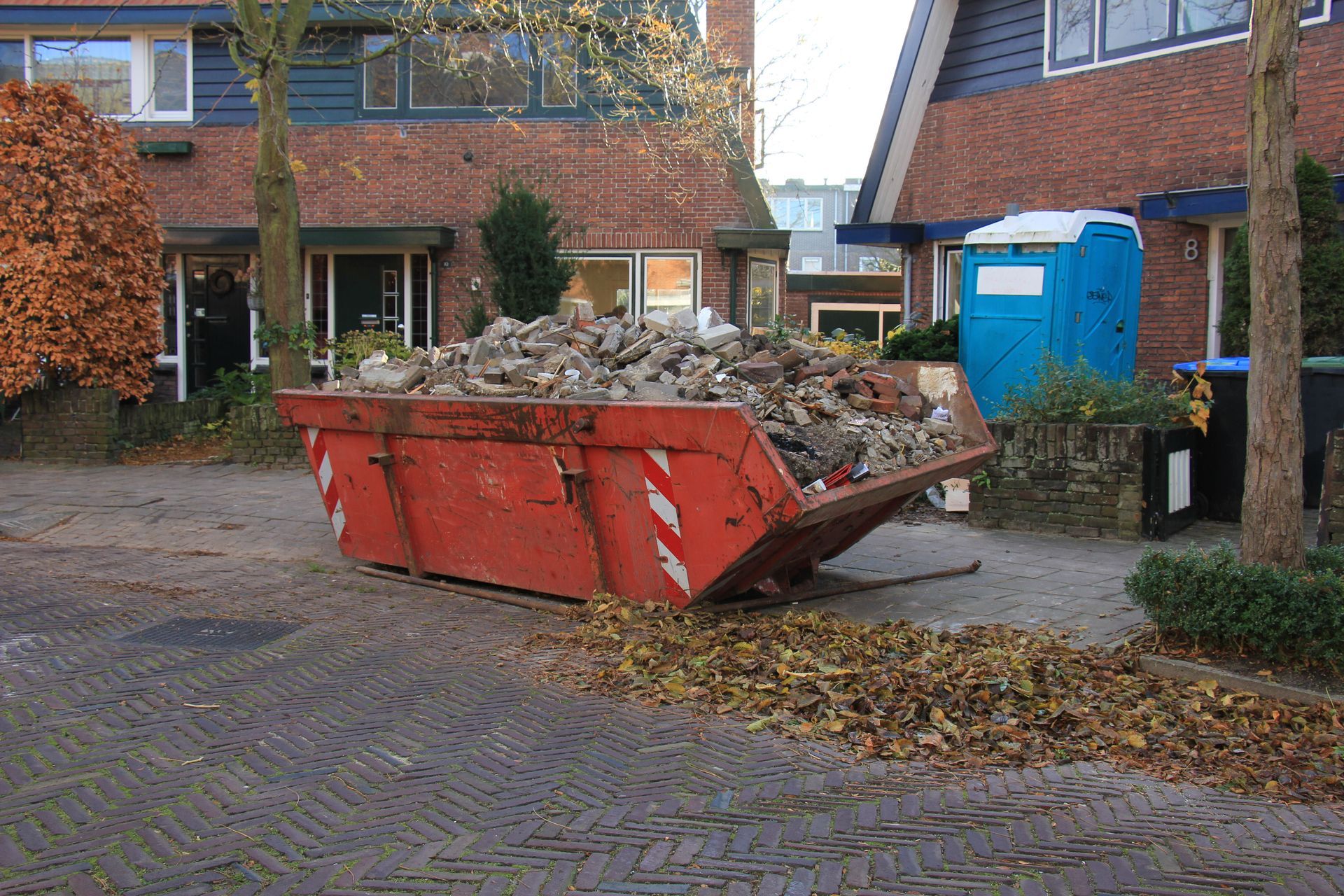
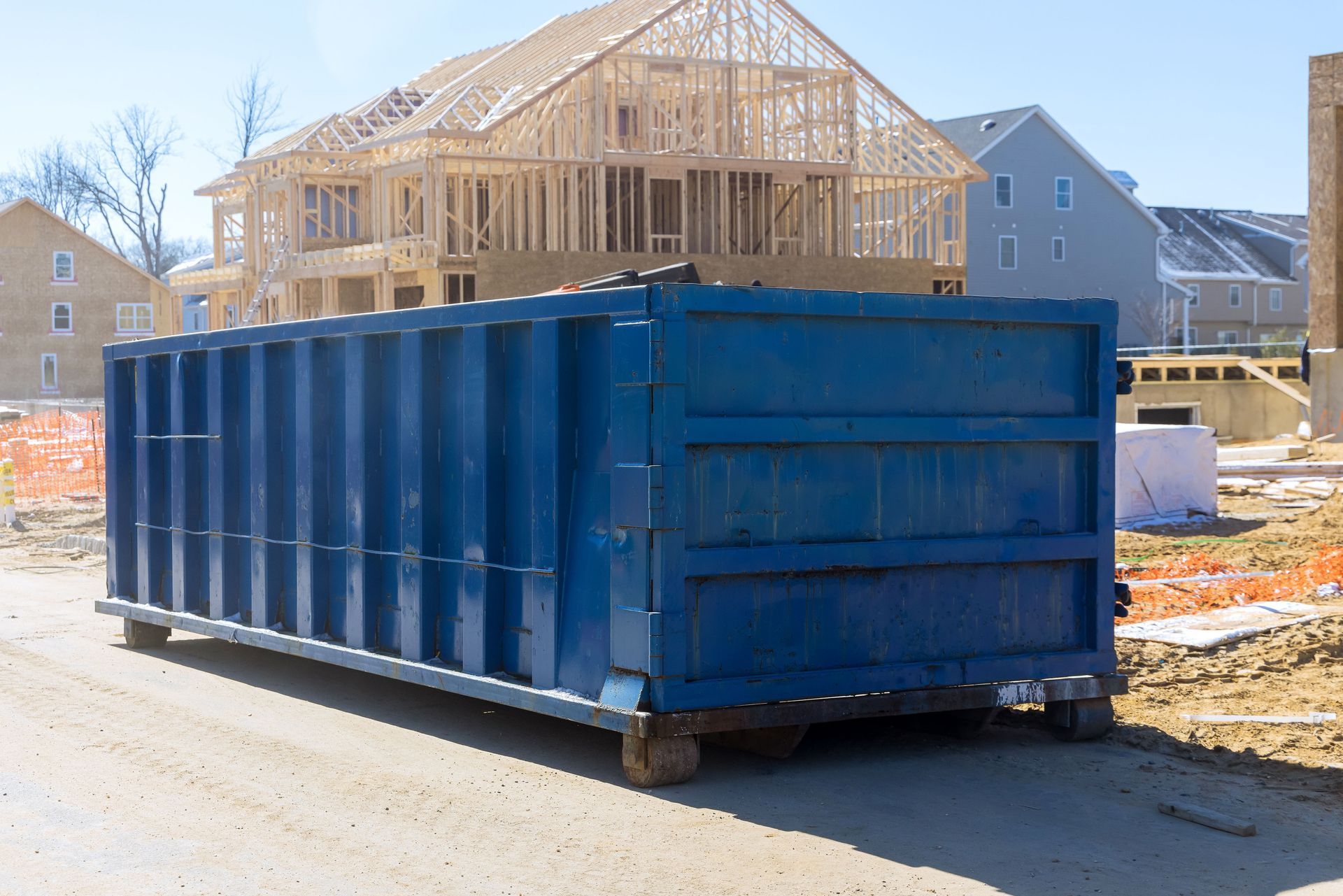
To keep a site organized without overpaying for unallocated volume, contractors should choose from a comprehensive range of dumpster capacities. Opting for precise sizing, such as compact 10-yard bins for minor structural refits or expansive 50-yard containers for complete structural overhauls, helps keep the job site clear and highly operational.
Relying on Six-Day Logistics Pipelines
A strict construction timeline demands a haulage partner that operates on an identical operational schedule. Choosing a service provider with active container delivery and pickup networks available six days a week, backed by 24-hour emergency response capabilities, safeguards your workflow against unexpected site backups.
Integrating Multi-Service Local Strategy
Streamlining job site cleanup is highly effective when contractors consolidate multiple cleanup needs under a single vendor pipeline. Partnering with an experienced local team like AAA Carting allows you to effortlessly combine demolition hauling, compliant asbestos abatement, and everyday construction waste management into one cohesive plan
Ultimately, choosing the right waste disposal service requires looking for tech-driven transparency, legal compliance, and robust recycling networks. By selecting a vendor that integrates modern logistics tools, contractors can outsource the heavy lifting of waste management while remaining highly competitive. For comprehensive, reliable, and digitally-compliant roll-off container services tailored to your next project, contact our trusted team at AAA Carting.




Share On: