
How a Construction Waste Disposal Service Helps Keep Projects Organized and Efficient
Construction projects depend on careful planning, steady coordination, and clean work areas. Even when the main focus is building, remodeling, repairing, or demolishing a structure, waste management plays a major role in how smoothly the job moves forward. Materials can pile up quickly when crews remove fixtures, cut lumber, open walls, or clear debris. Without a practical system for disposal, the project can become crowded, confusing, and harder to manage.
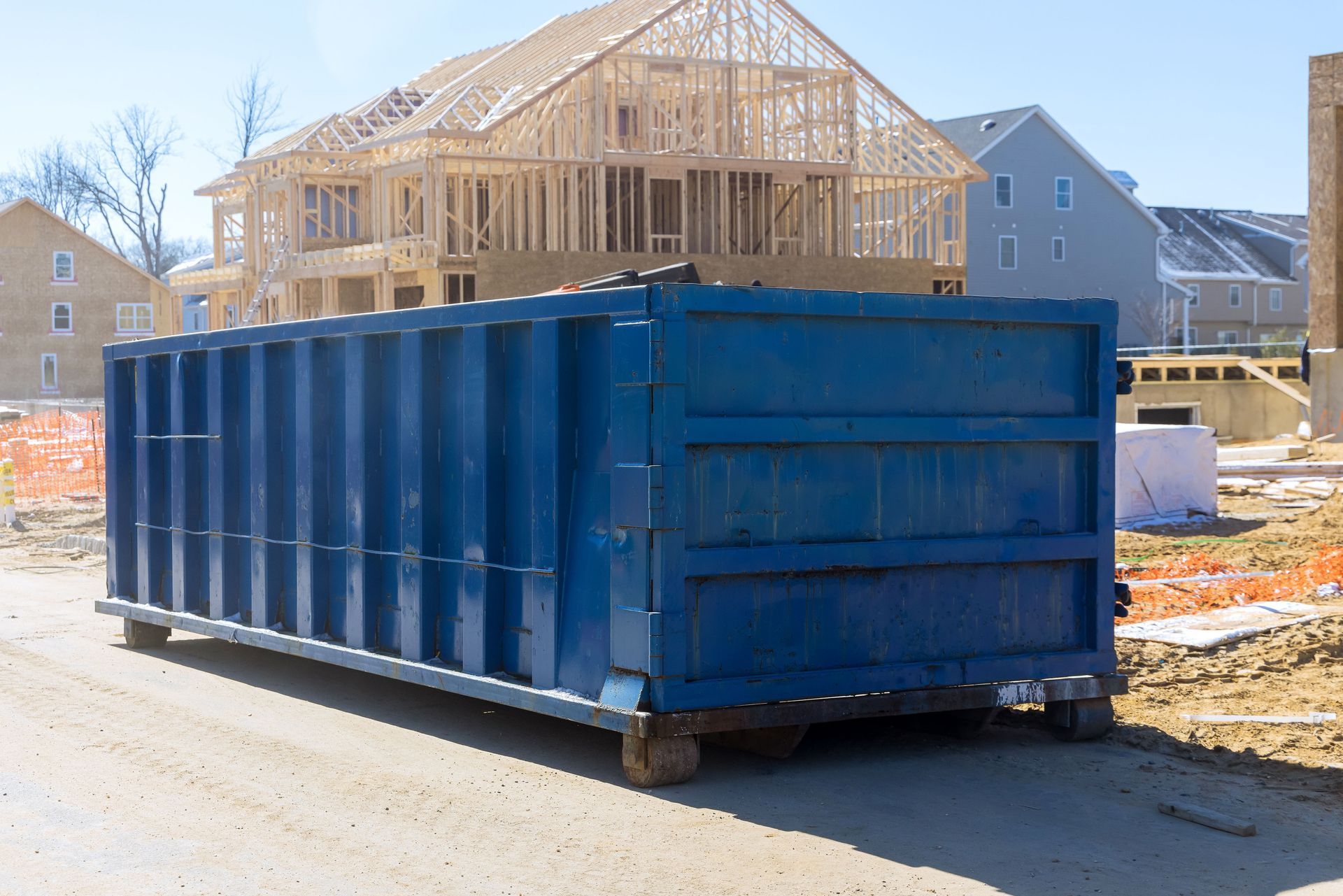
A construction waste disposal service helps create order by giving contractors, property owners, and project managers a clear way to handle debris throughout the job. Instead of waiting until waste becomes a problem, disposal planning can be built into the project timeline from the beginning. This helps protect work zones, reduce delays, and keep materials moving.
Planning Waste Removal Early
Every efficient project starts with a plan for where materials will go once they are removed. A construction waste disposal service supports that planning by helping crews decide what size container may be needed, where it should be placed, and how often waste may need to be hauled away. These decisions can affect traffic flow, loading access, worker movement, and the pace of the job.
When disposal is not planned early, debris can collect in hallways, driveways, yards, or parking areas. Crews may spend extra time moving waste from one location to another instead of focusing on the next stage of construction. Early coordination also helps reduce confusion between trades. When everyone knows where debris belongs, the site stays more organized and the workday becomes easier to manage.
Keeping Work Areas Clear
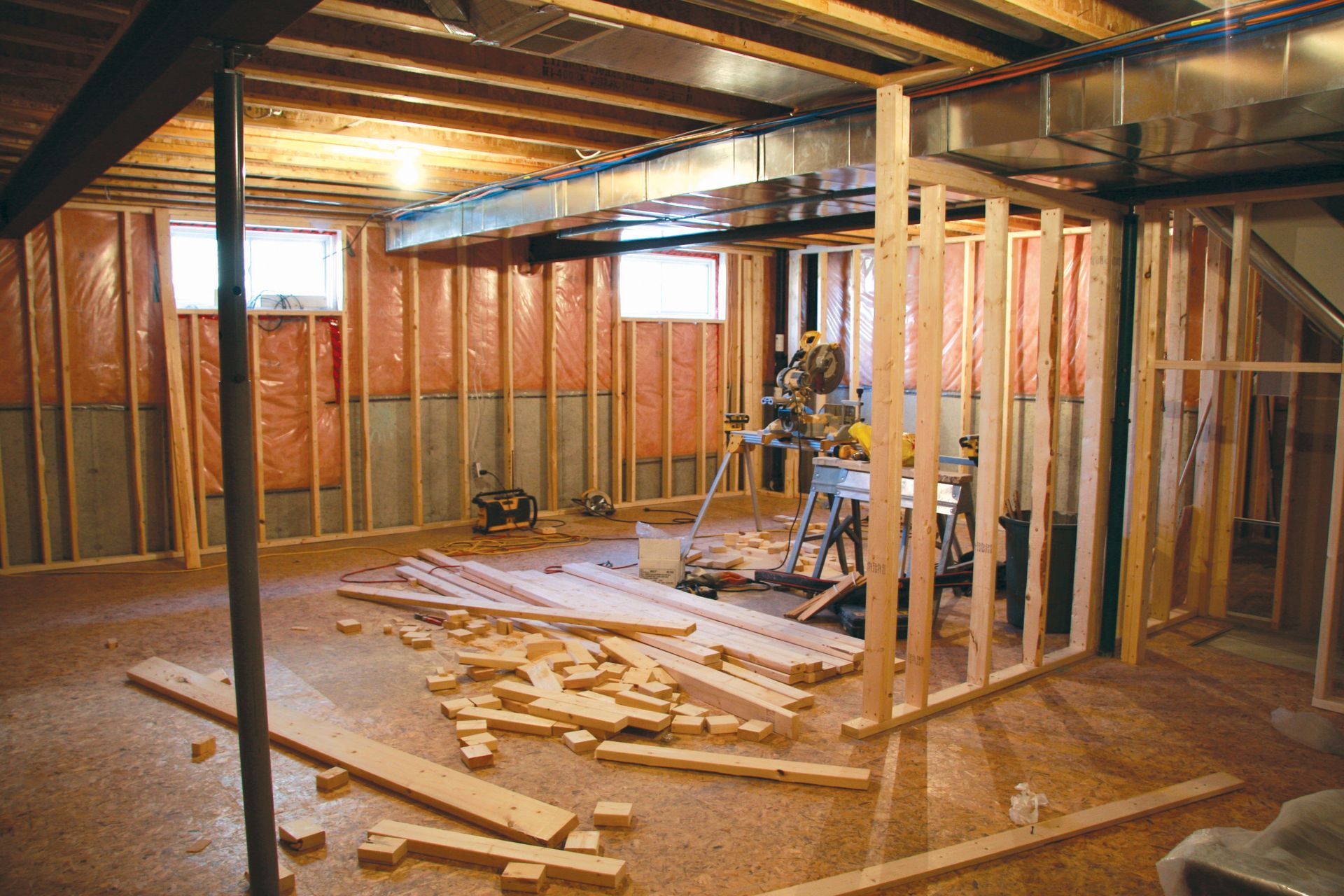
Clear work areas help crews move safely and efficiently. Loose debris, broken materials, packaging, old drywall, wood scraps, shingles, and torn-out fixtures can quickly reduce usable space. When these items are not removed regularly, workers may have to step around piles, move equipment awkwardly, or delay tasks until the area is cleaned.
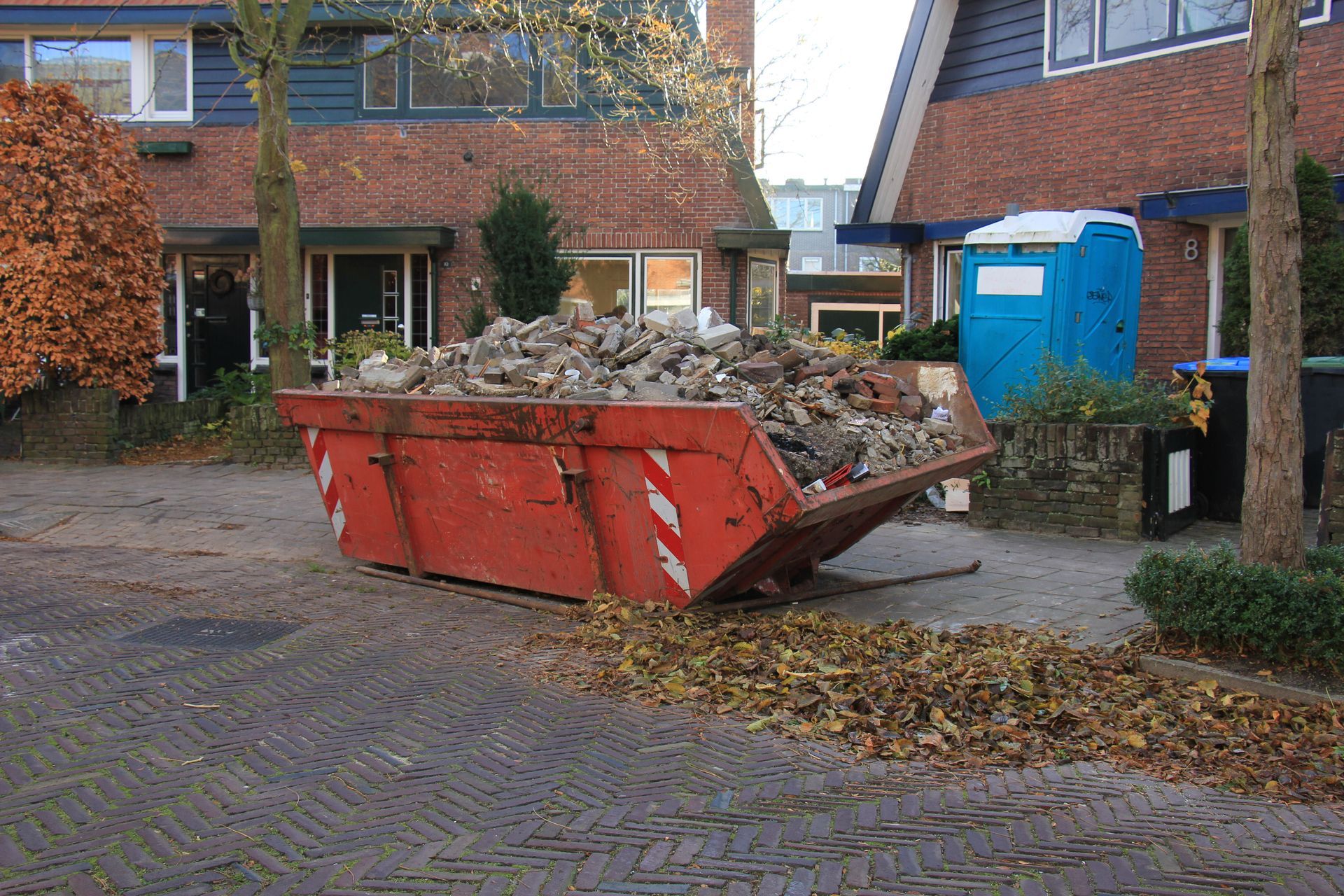
A construction waste disposal service gives crews a central place to put materials as they come off the job. This keeps pathways more open and helps separate active work zones from debris zones. A cleaner site can also make it easier to bring in new materials, stage tools, and complete inspections.
Organization matters even more when multiple workers or subcontractors are involved. Plumbers, electricians, roofers, carpenters, painters, and cleanup crews may all need access to the same areas at different times. When waste is managed consistently, each team can enter the space with fewer obstacles and better visibility.
Supporting Safer Project Conditions
Construction sites often include sharp edges, heavy pieces, unstable piles, and materials that require careful handling. Waste scattered across a property may increase the risk of trips, falls, punctures, and other preventable hazards. While every project still needs safe work practices, a construction waste disposal service can support a more controlled environment by reducing clutter.
Some materials also need more careful attention because of the age or condition of the building. According to HomeGuide, homes built before or during the 1970s often contain lead or asbestos, which requires professional hazardous material abatement at least two weeks before demolition. This is why project planning should account for more than basic debris removal.
A construction waste disposal service is useful for general construction debris, but hazardous materials should be addressed through qualified abatement professionals when needed. Separating those responsibilities helps keep the job compliant, practical, and better organized. It also allows regular debris to be removed without interfering with required safety procedures.
Reducing Delays During Construction
Delays can happen when debris blocks access to work areas, fills available space, or requires last-minute hauling. Even a well-planned project can lose momentum when crews have to stop and figure out what to do with accumulated waste. A construction waste disposal service helps reduce these interruptions by making disposal part of the workflow instead of an afterthought.
When the right container is available, workers can discard materials as they go. This supports cleaner transitions between demolition, framing, installation, finishing, and final cleanup. It also helps crews avoid stacking debris in temporary locations that may later need to be cleared before the next task can begin.
Reliable waste removal can be especially helpful during projects with tight schedules. Commercial renovations, tenant improvements, storm damage repairs, and residential remodels may all require several phases to happen in a specific order. When debris leaves the site regularly, there is less chance that waste buildup will slow down the next crew or delay completion.
Improving Site Organization
Good organization makes a project easier to understand. Crews can see which materials are still needed, which areas are ready for the next step, and which spaces still require cleanup. A construction waste disposal service supports this clarity by keeping discarded materials separate from tools, supplies, and finished work.
This separation can also help protect new materials. Flooring, cabinets, trim, appliances, or fixtures may be damaged if they are stored near sharp debris or dirty waste piles. When old materials are removed from the active work zone, there is less chance of confusion between what should be discarded and what should be installed.
An organized site can also make communication with property owners easier. When a homeowner, business owner, or manager visits the project area, they can better understand progress when the site is not overwhelmed by debris. Cleanliness does not eliminate the disruption of construction, but it can make the process feel more controlled from start to finish.
Managing Different Types of Debris
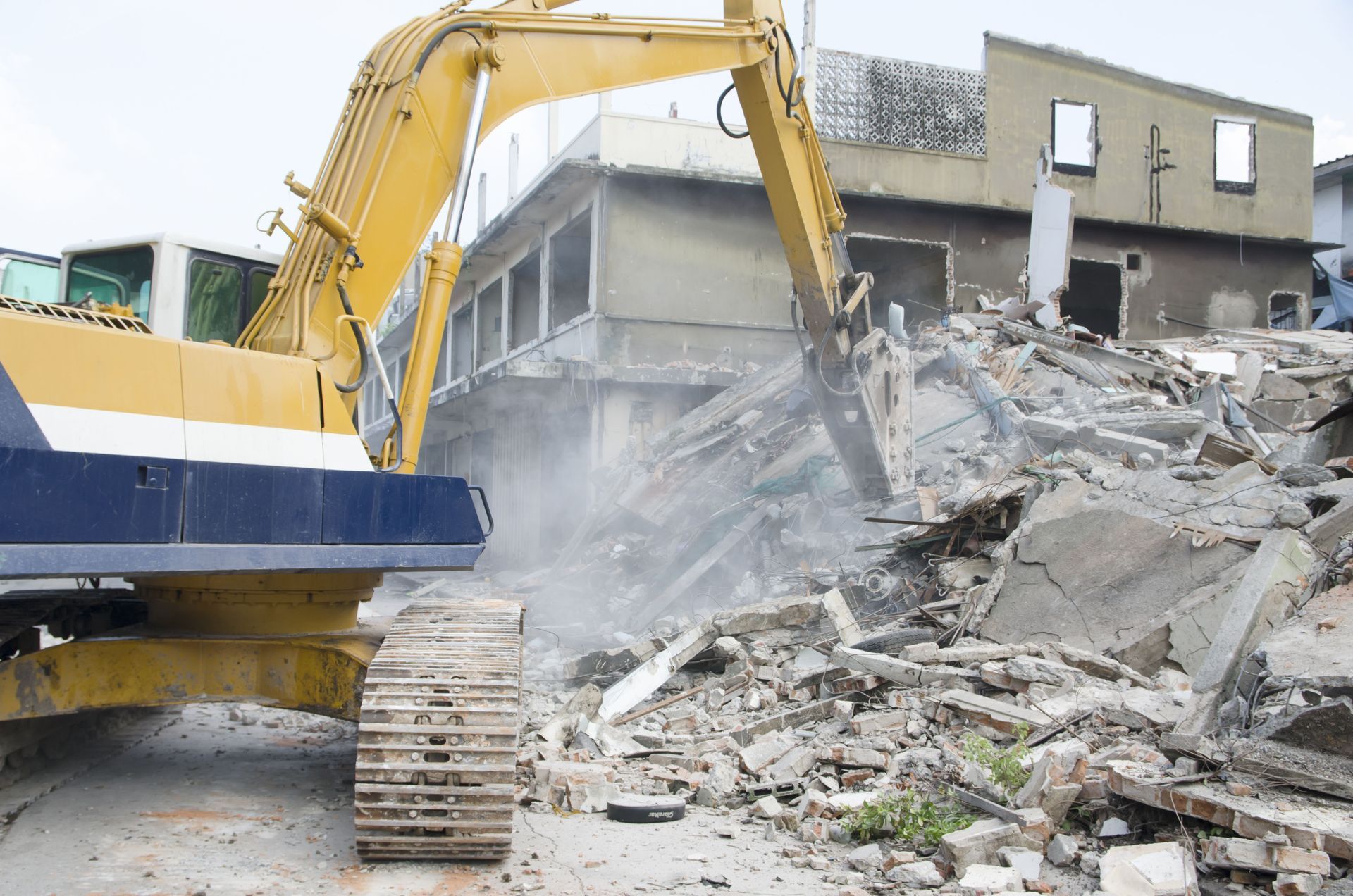
Construction waste can include many types of materials, and each project creates a different mix. Demolition may produce concrete, brick, wood, insulation, drywall, metal, roofing materials, siding, flooring, packaging, and broken fixtures. A construction waste disposal service helps collect these materials in a practical way so crews are not forced to rely on small bins, pickup truck loads, or scattered piles.
Larger projects may also involve heavy or bulky items that are difficult to move repeatedly. Having an appropriate container on-site reduces the need for extra handling. This can save time and limit unnecessary strain, especially when crews are removing dense materials or working through several rooms.
Disposal needs may change as the project progresses. Early stages may produce demolition debris, while later stages may create packaging, cutoffs, and leftover installation materials. A construction waste disposal service helps support each phase by giving the project a steady disposal system until the final cleanup is complete.
Maintaining a More Efficient Cleanup Process
Final cleanup is easier when waste has been managed throughout the project. If debris is allowed to build up until the end, the last stage can become longer and more stressful than expected. Crews may need to sort through old piles, move heavy materials multiple times, or clear areas that could have been maintained along the way.
A construction waste disposal service helps keep cleanup more manageable by removing debris in stages. This can make the final walkthrough smoother and help the property return to normal use sooner. It also allows contractors to leave the site in better condition once the work is complete.
The value of waste management is not limited to the end of the project. It supports planning, safety, organization, and efficiency from the first day of work to the final load of debris. When crews have a practical system for removing materials, they can stay focused on completing the job with fewer unnecessary obstacles. Call AAA Carting today to schedule your waste disposal service.

Share On: