
How to Keep Things Green During Construction Waste Cleanup
The building sector is one of the largest global consumers of resources, generating vast amounts of debris that compromise local ecosystems. Traditional disposal methods frequently neglect environmental responsibilities, resulting in overflowing landfills and heightened greenhouse gas emissions. Embracing eco-friendly alternatives provides a sustainable path forward by diminishing the environmental footprint of building projects. Prioritizing a thorough construction waste cleanup helps firms minimize environmental harm while enhancing resource efficiency and corporate reputation.
Implementing eco-conscious strategies protects natural habitats and satisfies the growing regulatory and public demand for sustainable business practices. By adapting standard procedures, managers can lower carbon emissions, control pollution, and divert valuable resources back into production. A dedicated focus on a green construction waste cleanup serves as a cornerstone for modern development, balancing industrial output with long-term ecological stewardship.
Understanding Construction Waste
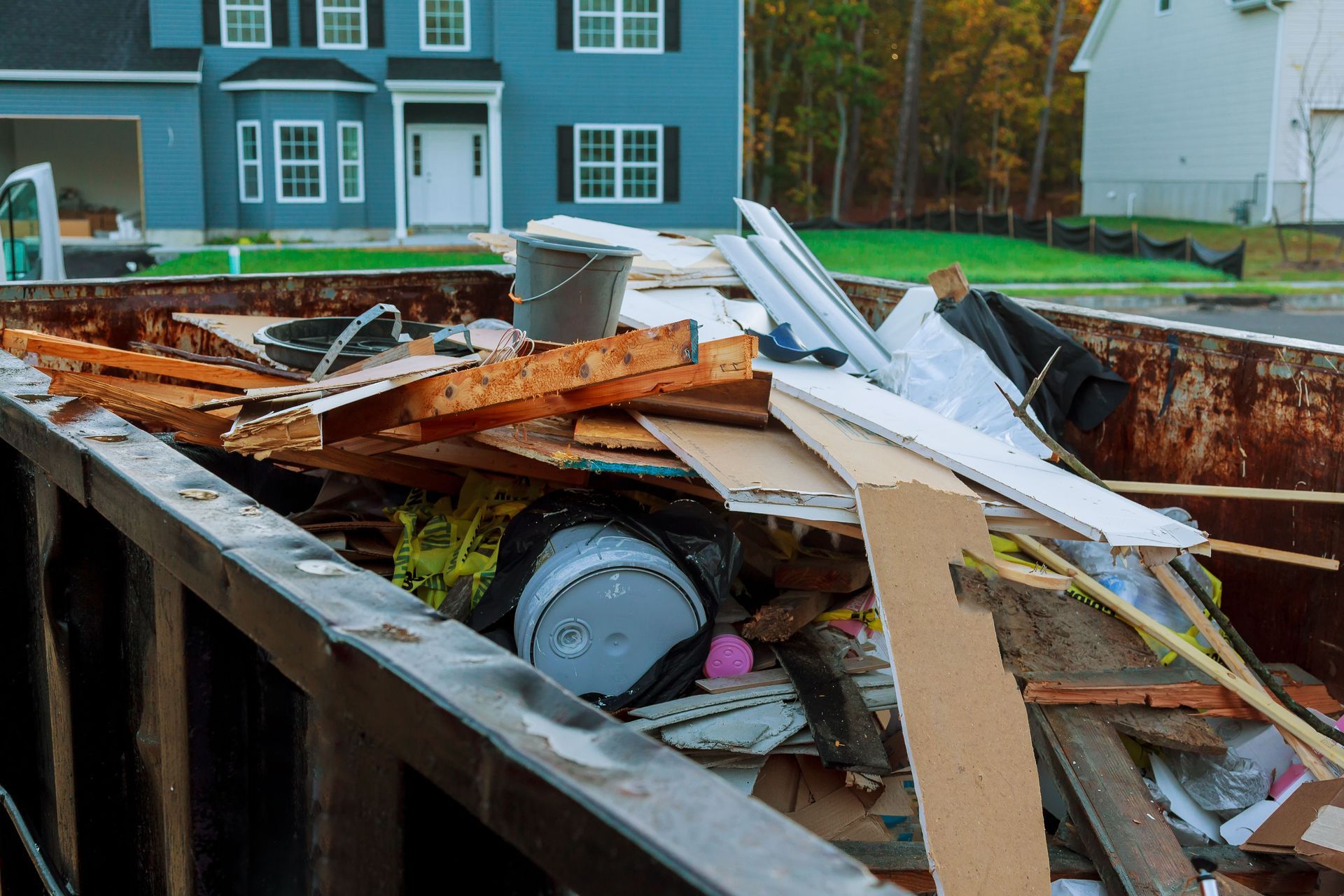
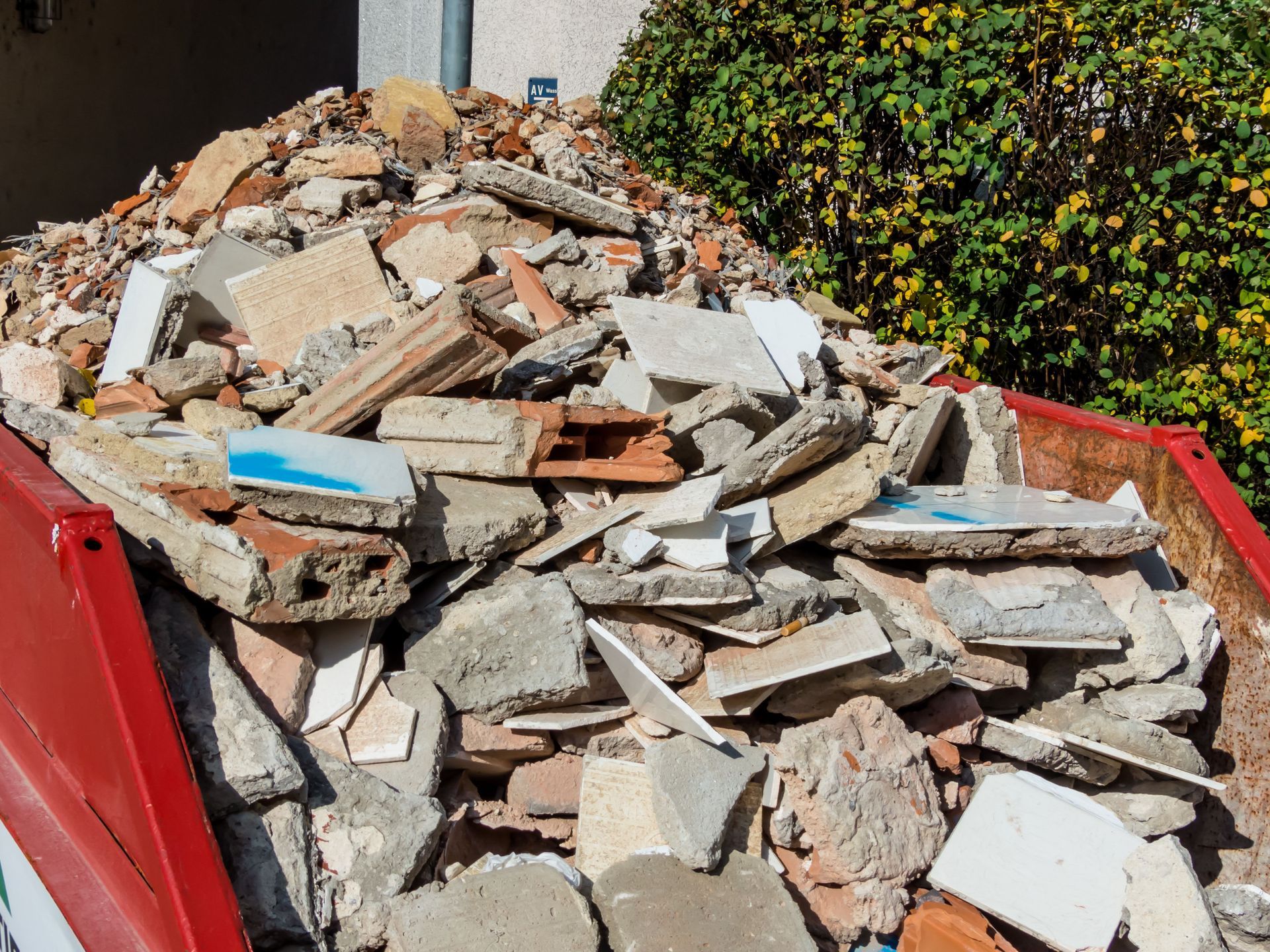
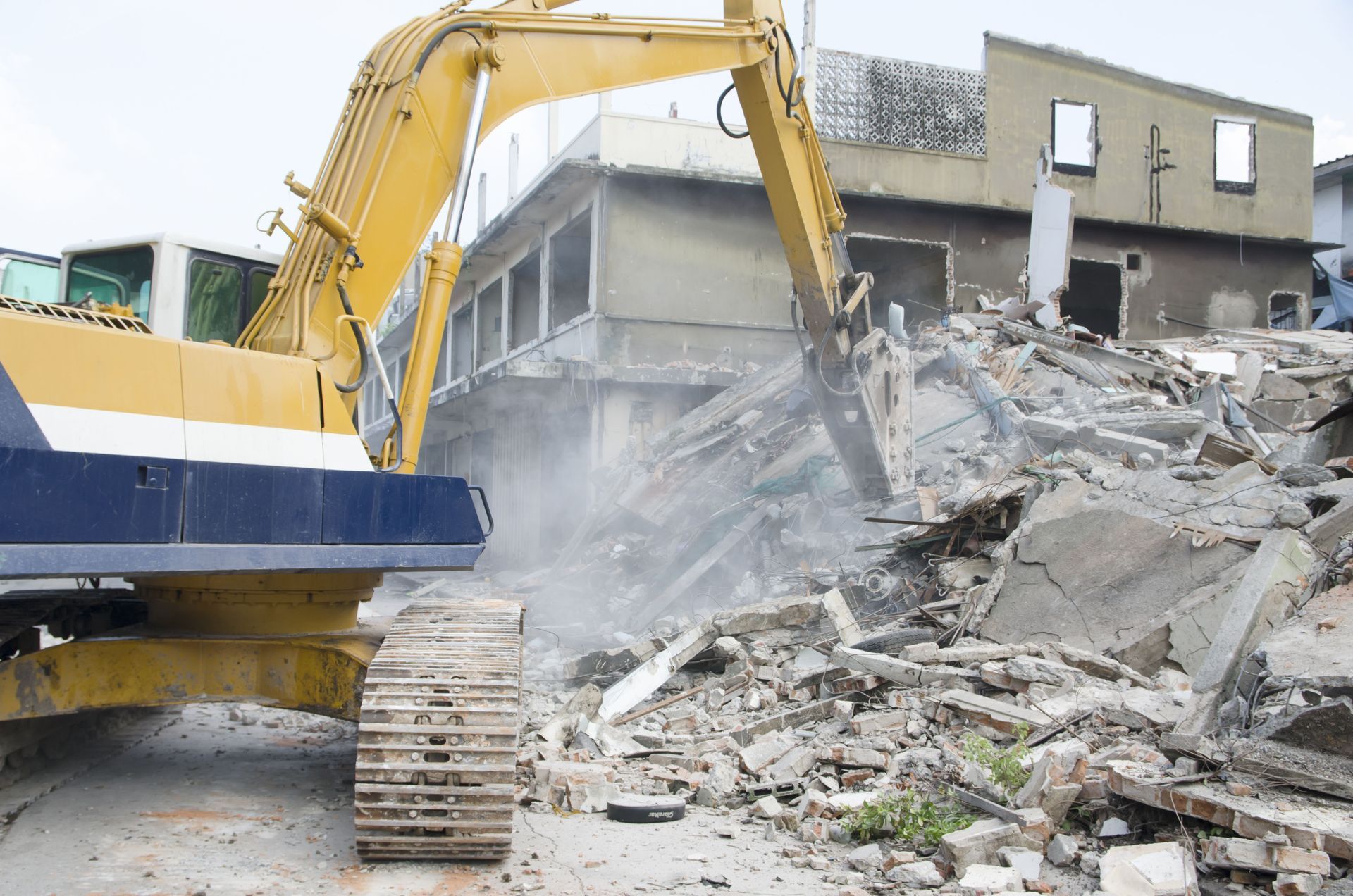
Building debris consists of various materials, including concrete, wood, metal, brick, and gypsum, each requiring distinct handling methods. Hazardous substances like asbestos and lead-based paint require specialized containment to prevent dangerous environmental exposure. Properly distinguishing between these materials remains essential for maximizing recovery efforts and avoiding ecological contamination. Project managers must evaluate debris composition to execute an effective construction waste cleanup that complies with modern safety standards.
Improper disposal carries severe environmental consequences, such as groundwater contamination and increased methane emissions from organic decay. Debris accumulation strains infrastructure and compromises air quality with airborne particulate matter, threatening public health. According to Soocial, nearly 70% of building and structural demolition debris gets successfully repurposed within the United States, highlighting an impressive standard for resource recovery. Capitalizing on this established trend allows firms to reduce landfill reliance and mitigate their overall carbon footprint.
Legal frameworks governing disposal present another layer of responsibility, as regulations mandate strict handling of hazardous substances to avoid steep penalties. Industry frameworks provide clear guidelines for waste reduction throughout a building's lifecycle, giving compliant firms a distinct competitive edge. Conducting regular audits helps teams identify waste patterns despite logistical hurdles like limited sorting space. This systematic analysis allows companies to streamline sorting processes, overcome workforce resistance, and establish a clear baseline for continuous improvement.
Planning for Green Waste Management
A structured disposal blueprint guides teams through the complexities of separating, recycling, and handling materials efficiently. This strategic document outlines clear targets for diverting items from landfills, tailored to the unique spatial and logistical constraints of each jobsite. Continuous performance monitoring ensures compliance with eco-friendly standards while enabling managers to adjust methods as project needs evolve. Incorporating these protocols early transforms a standard construction waste cleanup into a highly organized, sustainable operation that lowers total project expenses.
Choosing sustainable building materials, such as recycled steel, bamboo, or reclaimed wood, significantly reduces the volume of debris generated from the start. These eco-friendly selections boast lower lifecycle emissions and facilitate simpler recycling processes when a structure undergoes future renovations. Implementing these components requires close collaboration among architects, engineers, and suppliers to balance performance needs with ecological targets. This conscious procurement strategy turns a traditional building lifecycle into a responsible production loop, yielding long-term environmental returns.
Cultivating relationships with green vendors ensures that all external suppliers and contractors share a commitment to verified environmental standards. These alliances grant access to certified green materials and expert handling services, reinforcing a firm's dedication to corporate social responsibility. Comprehensive training programs teach laborers practical sorting techniques and foster an organizational culture centered on sustainability. Modern software systems complement these efforts by tracking metrics in real time, streamlining communication, and utilizing automated sorting technologies to maximize resource recovery.
Implementing Efficient Recycling Practices
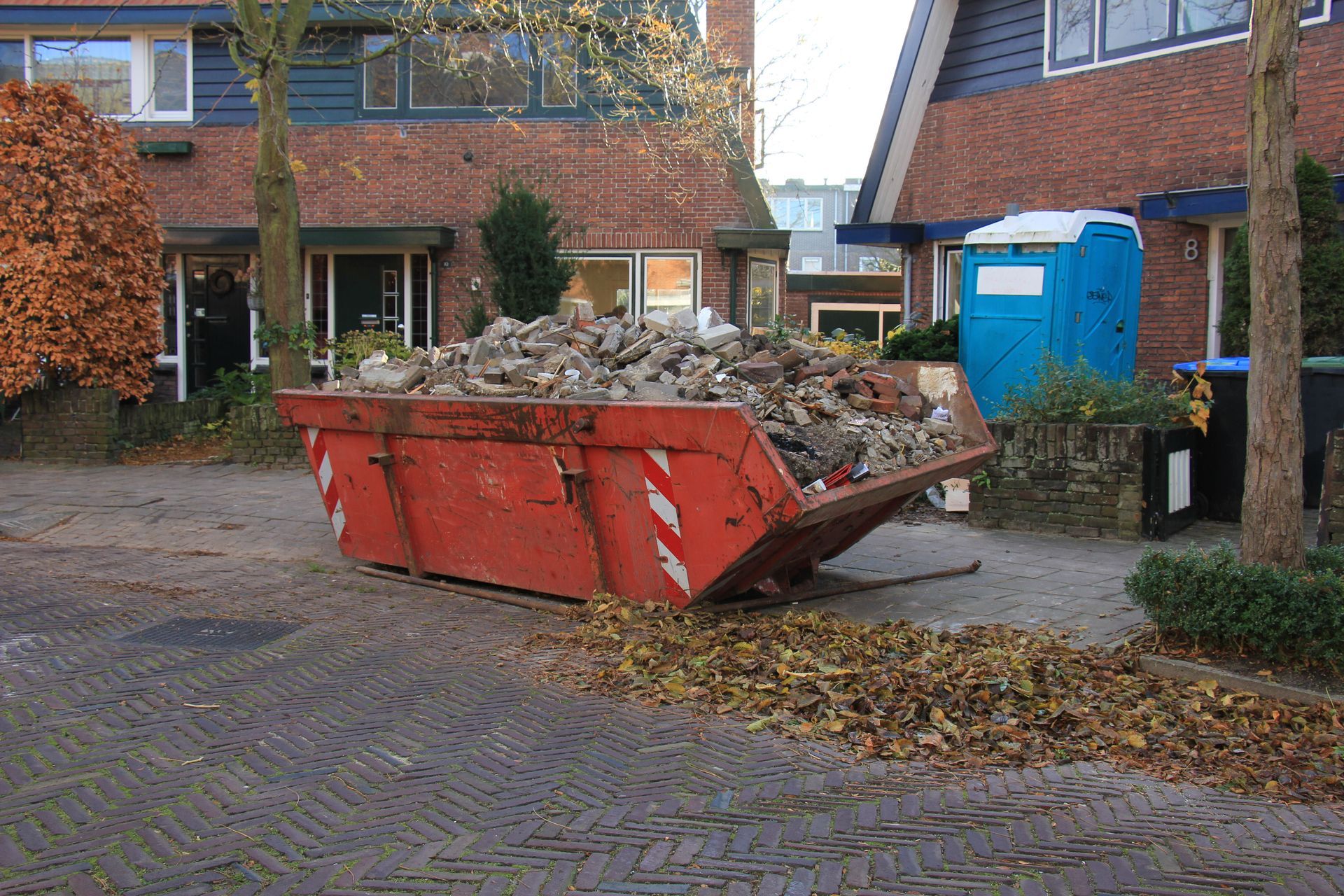
Establishing dedicated on-site sorting zones represents a vital phase in preventing material cross-contamination and improving overall recovery rates. Workers equipped with precise guidelines can separate debris immediately, ensuring that recyclable materials remain clean and ready for processing. This structured workflow accommodates spatial limitations on dense urban jobsites while accelerating collection schedules. Managing a methodical construction waste cleanup through immediate segregation allows construction operations to divert substantial volumes of debris away from municipal landfills, optimizing local resource reclamation.
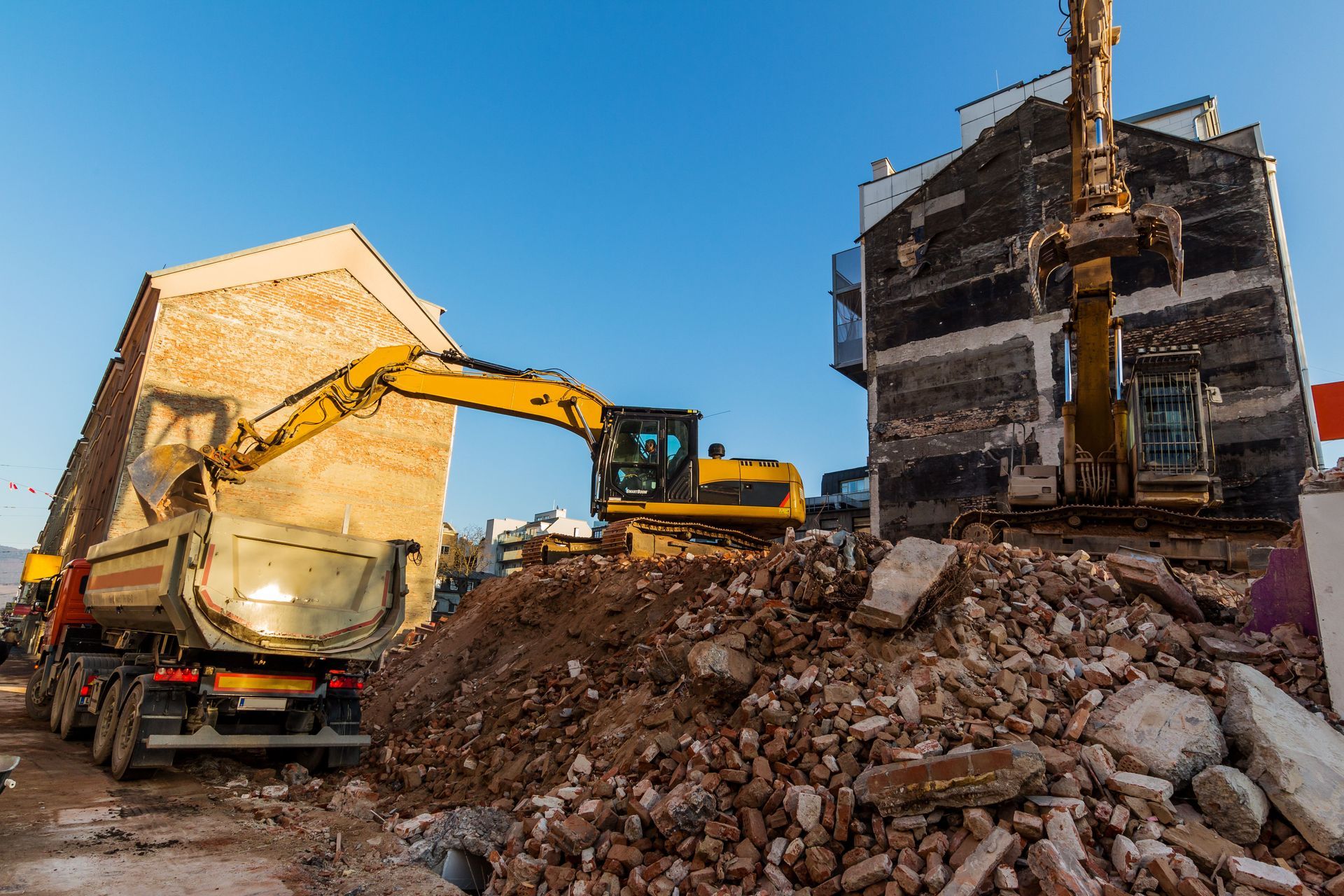
Processing common building materials, such as concrete, metals, and drywall, offers immense potential for reducing raw resource consumption. Recovered concrete can be crushed into aggregate for fresh masonry, while scrap steel and aluminum are melted down repeatedly without losing structural integrity. Salvaged timber easily transforms into landscaping mulch or engineered wood products, and gypsum board can be remanufactured into pristine drywall panels. Relying on these practices preserves finite natural reserves, minimizes mining damage, and turns potential liabilities into valuable commodities.
Maintaining open communication with local recycling hubs helps project managers navigate changing regional protocols and streamline transportation logistics. These specialized facilities offer the heavy machinery and technical expertise required to process heavy debris safely and transparently. Reusing salvaged components directly on the jobsite, such as repurposing old bricks for pathways, represents another excellent method to bypass commercial processing fees. Digital tracking platforms monitor these diversion rates, providing verifiable data that demonstrates a firm's commitment to sustainability and inspires broader compliance.
Adopting Innovative Reduction Techniques
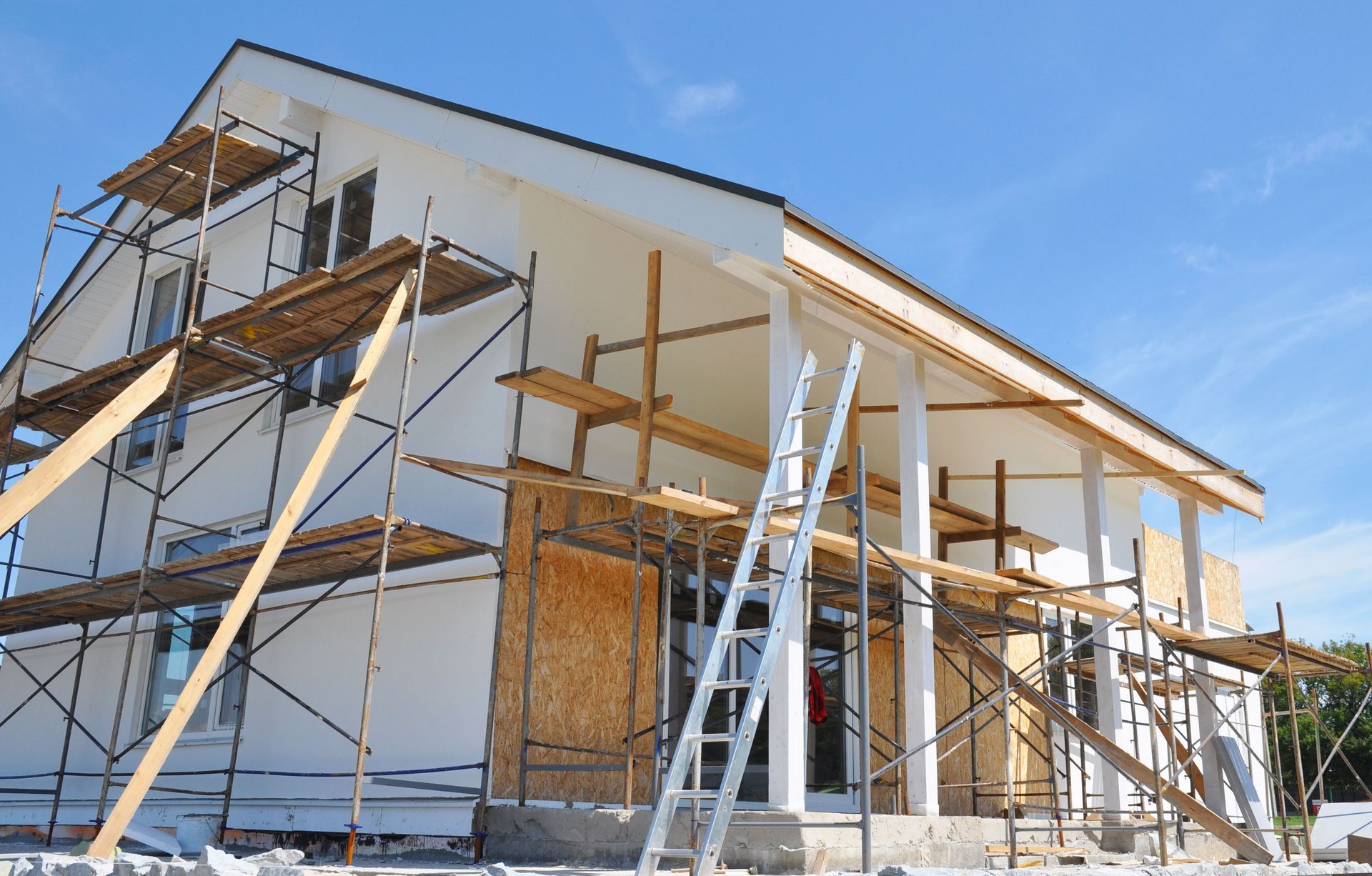
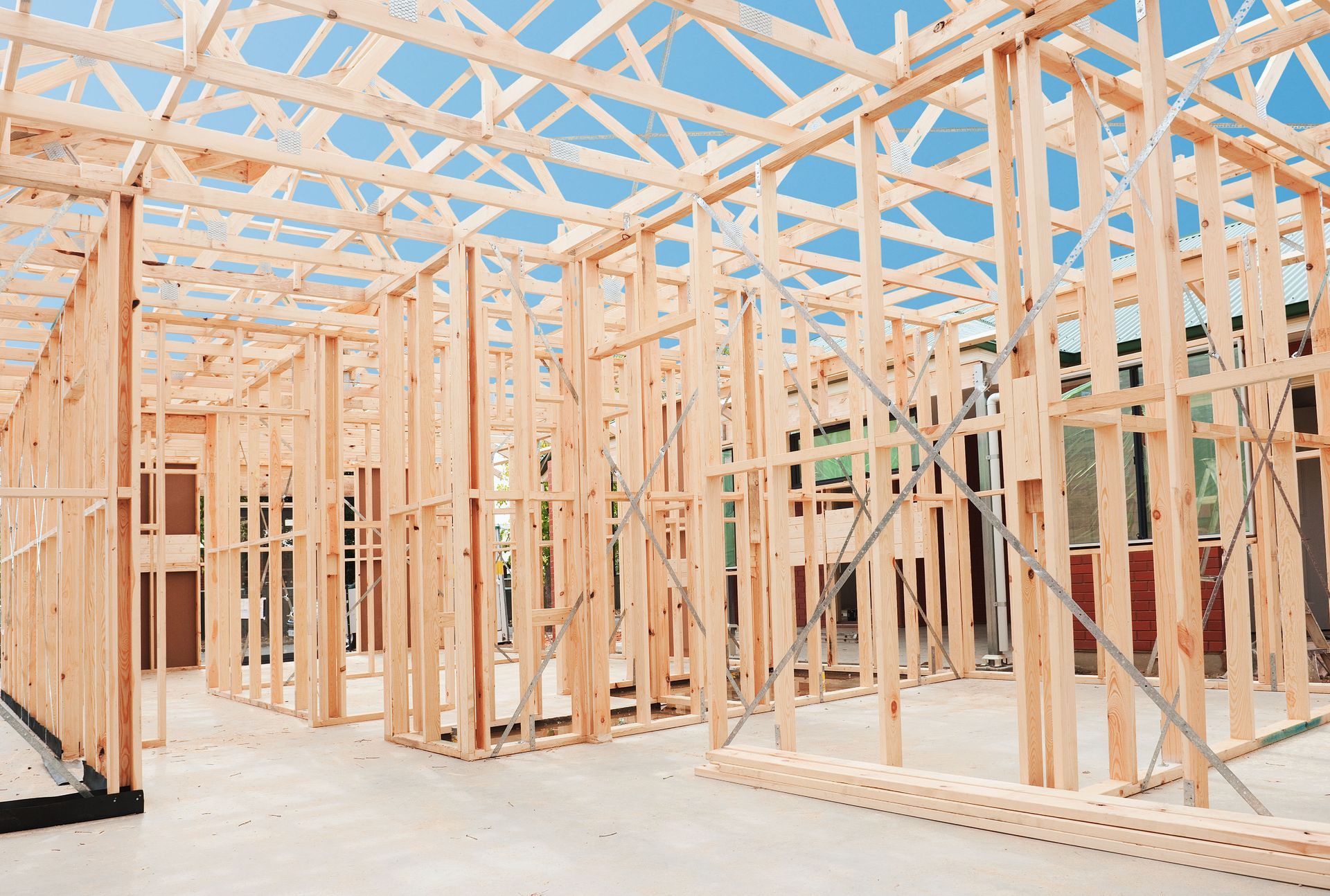
Embracing modular building methodologies represents a powerful shift toward minimizing debris before field operations ever begin. This modern technique involves fabricating structural sections within controlled factory settings, which are later transported to the jobsite for rapid assembly. Factory production optimizes material use through precise computer-guided cutting, drastically reducing the leftover scrap typically found on traditional build sites. By lowering raw material waste, this structural strategy simplifies the subsequent construction waste cleanup, ensuring a cleaner, safer, and far more efficient workspace for the assembly crew.
Prefabricated manufacturing protects building components from harsh weather damage, reducing material spoilage and avoiding costly replacement orders. The centralized nature of factory production enables comprehensive recycling programs that are difficult to replicate on dynamic, exposed jobsites. Fewer transport trips are required for tools and loose materials, which significantly lowers fossil fuel consumption and minimizes localized noise pollution. Adopting these advanced off-site methods helps development firms achieve demanding green building certifications while maintaining strict project schedules and reducing environmental disruption.
Integrating virtual modeling software during the pre-construction phase allows design teams to identify and eliminate material inefficiencies early. Digital simulations accurately predict required material volumes, preventing over-ordering and reducing the financial burden of surplus disposal. Combining advanced design technology with modular assembly creates a highly optimized workflow that challenges conventional, wasteful building habits. This comprehensive approach to resource management ensures that modern development projects remain highly profitable while actively upholding the highest standards of global ecological stewardship.
Shifting toward eco-friendly waste management represents an essential evolution for an industry historically associated with heavy resource depletion. By combining precise on-site sorting, sustainable material sourcing, and advanced modular building techniques, modern firms can dramatically reduce their environmental impact. Prioritizing an organized construction waste cleanup safeguards natural habitats, curbs hazardous pollution, and satisfies the growing public demand for corporate ecological accountability. Overcoming the initial logistical and financial hurdles of green operations builds a resilient foundation for long-term sustainable development.
True environmental stewardship requires consistent dedication, open collaboration with green vendors, and a willingness to embrace innovative technologies. As regulatory frameworks tighten and landfill capacities diminish, proactive waste management becomes a core marker of operational excellence. Let us take the lead in transforming building practices by partnering with trusted experts for our next major project. To ensure a seamless, compliant, and deeply eco-conscious transition on your jobsite, we stand ready to handle your next
construction waste cleanup at AAA Carting.

Share On: