
From Job Site to Recycling Facility: The Journey of Construction Waste
Construction projects generate a variety of materials, including concrete, wood, metal, drywall, and packaging. What happens to these materials after they leave a job site can affect project costs, landfill use, and environmental sustainability. Understanding the disposal of construction waste helps contractors and property owners make informed decisions about handling debris responsibly. From initial collection to sorting and recycling, each stage plays an important role in determining whether materials can be reused or must be discarded.
Collecting and Separating Construction Debris
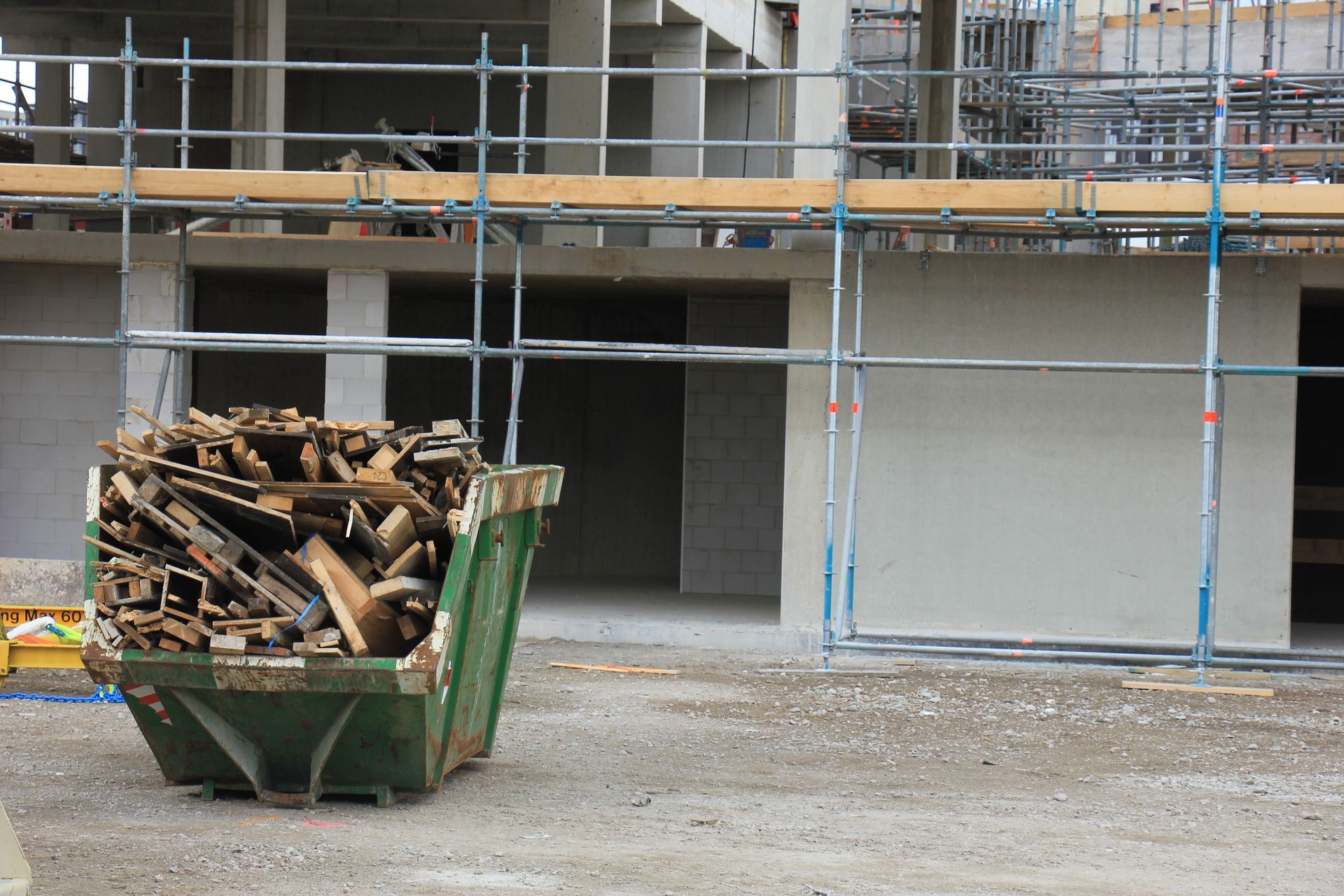
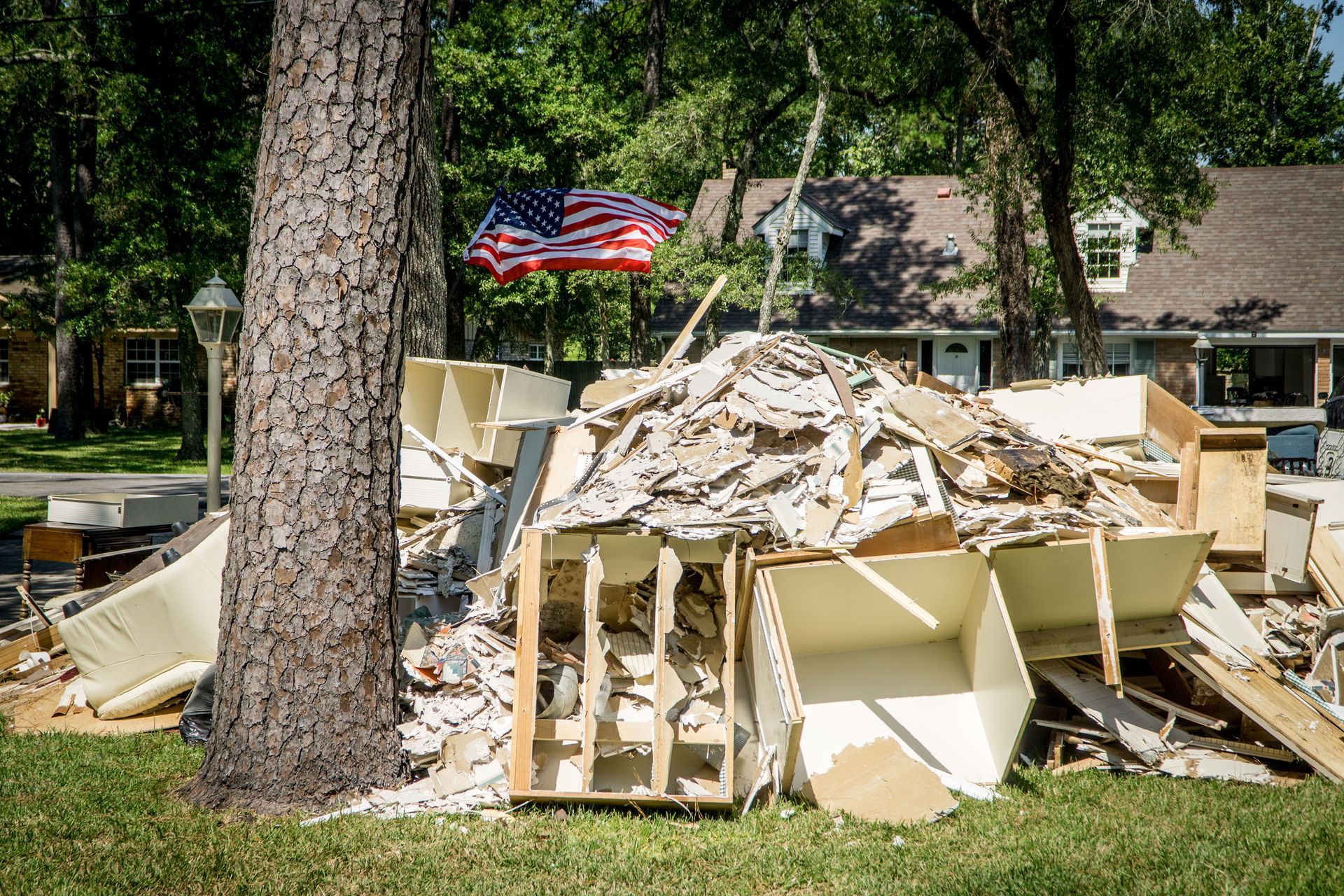
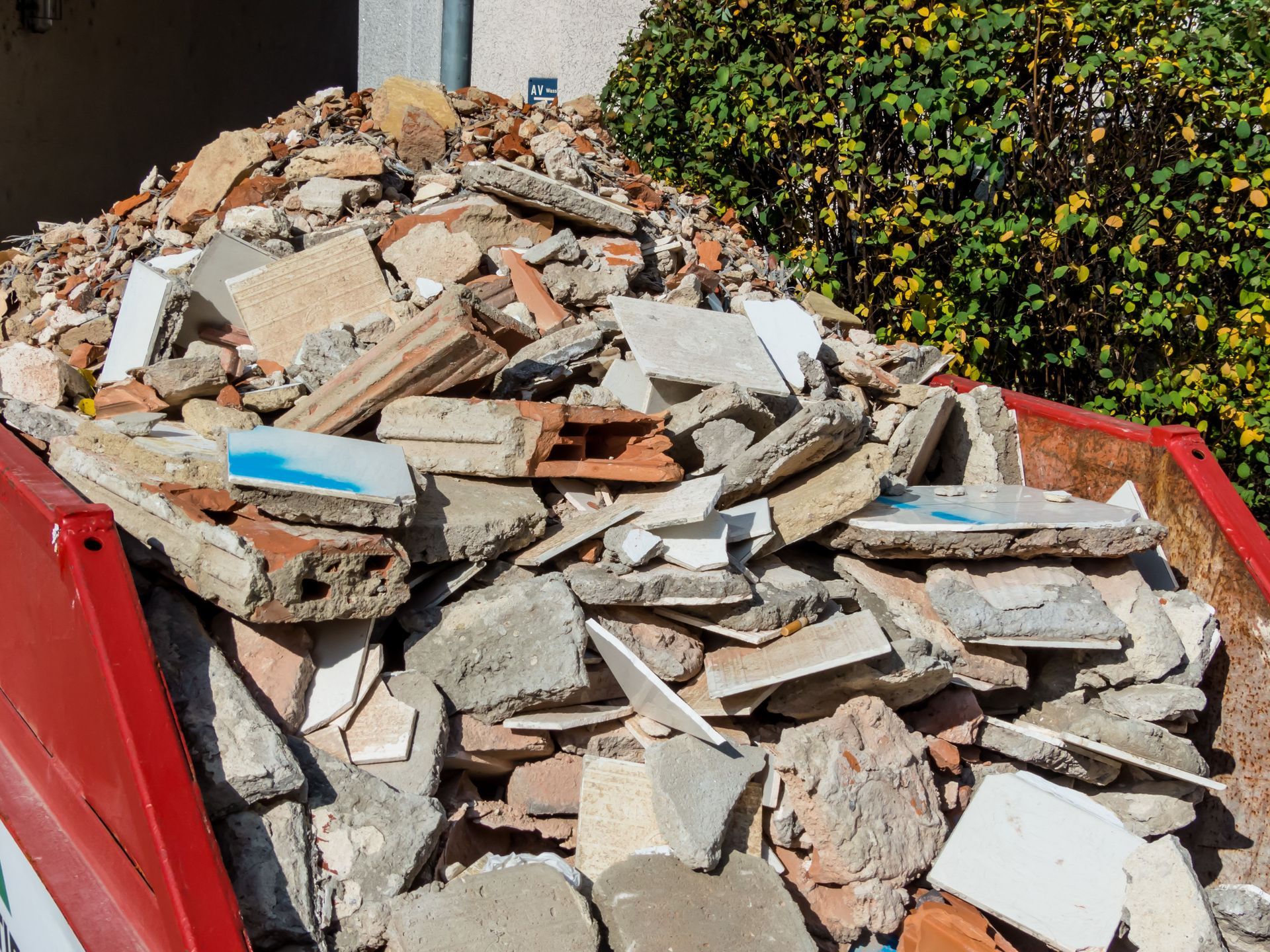
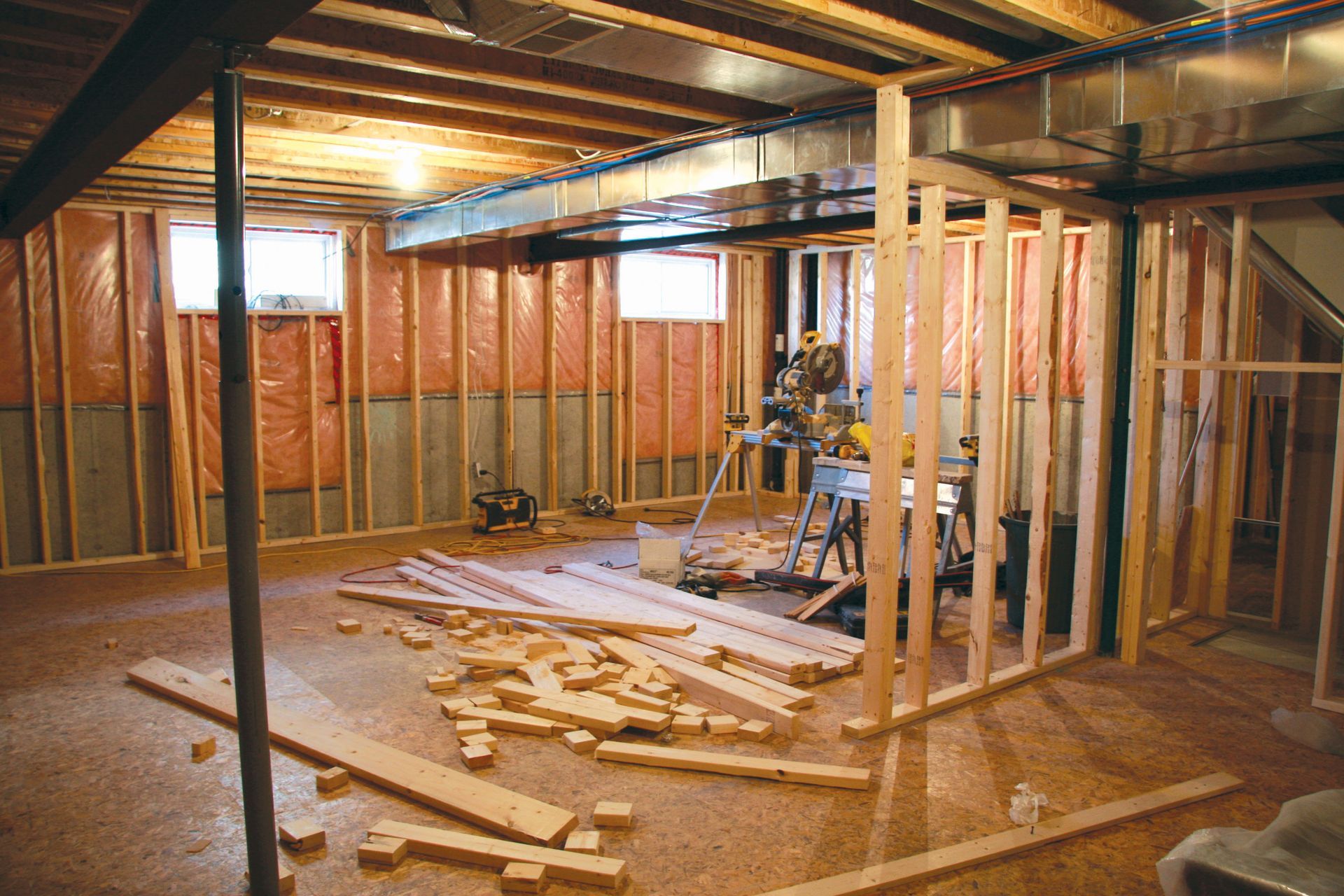
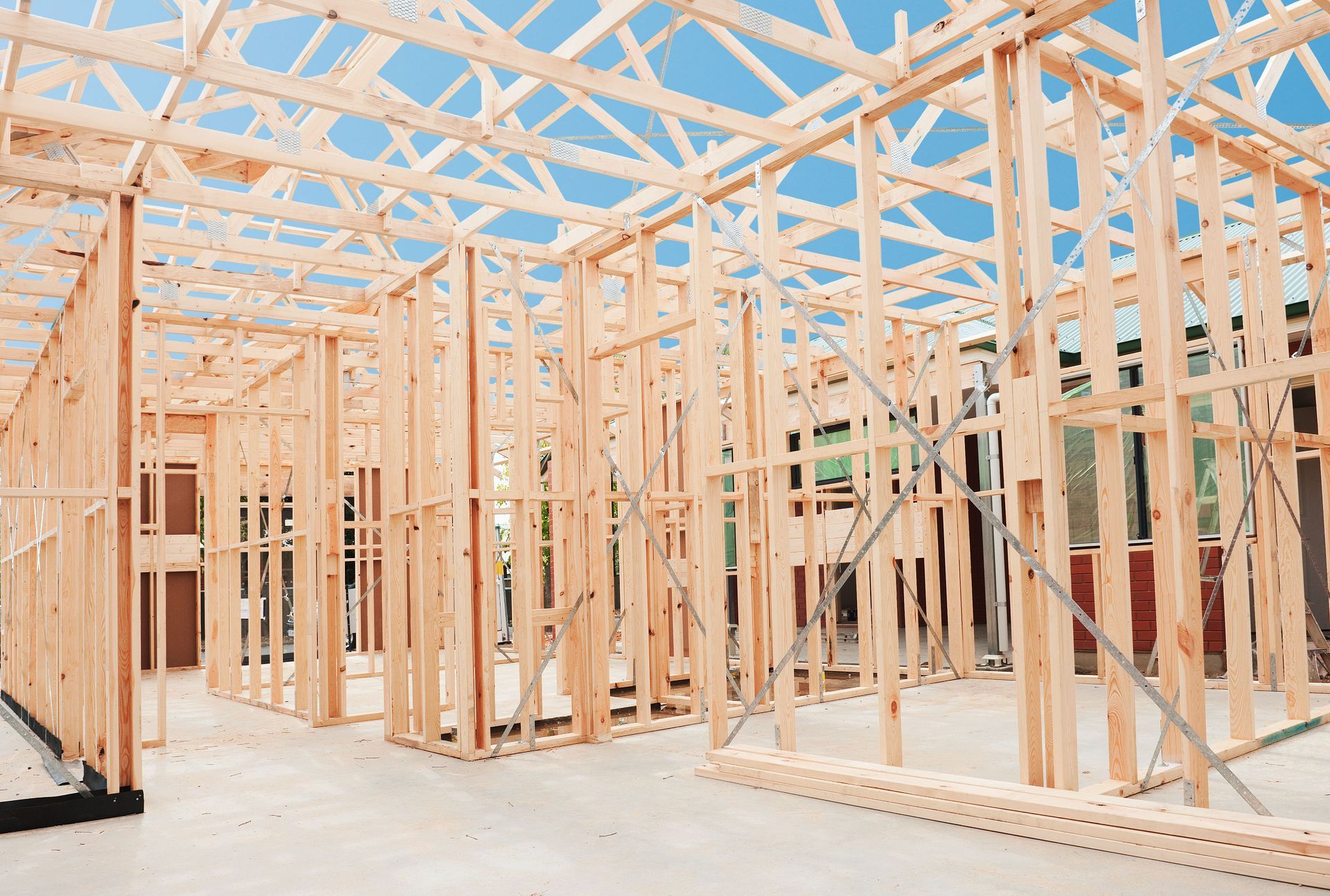
The journey begins at the construction site, where workers generate waste during demolition, renovation, installation, and new construction. Common materials include lumber, concrete, bricks, roofing shingles, metal scraps, cardboard, and drywall. The type and volume of debris depend on the project's size, scope, and construction methods.
Separating materials as they are produced can make later processing more efficient. When recyclable materials are mixed with general trash, they may become contaminated, making recovery more difficult or expensive. Contractors can establish designated collection areas or containers for different waste categories to reduce this problem.
Effective site practices may include:
- Keeping clean wood separate from treated or contaminated lumber.
- Collecting metal scraps for potential recycling.
- Separating concrete and masonry from general debris.
- Placing cardboard and other recyclable packaging in designated containers.
- Identifying materials that require specialized handling.
Planning for the disposal of construction waste before work begins helps project teams determine which containers they need and how frequently debris should be removed. A clear collection system also helps maintain safer, more organized work areas.
Arranging Convenient Waste Collection
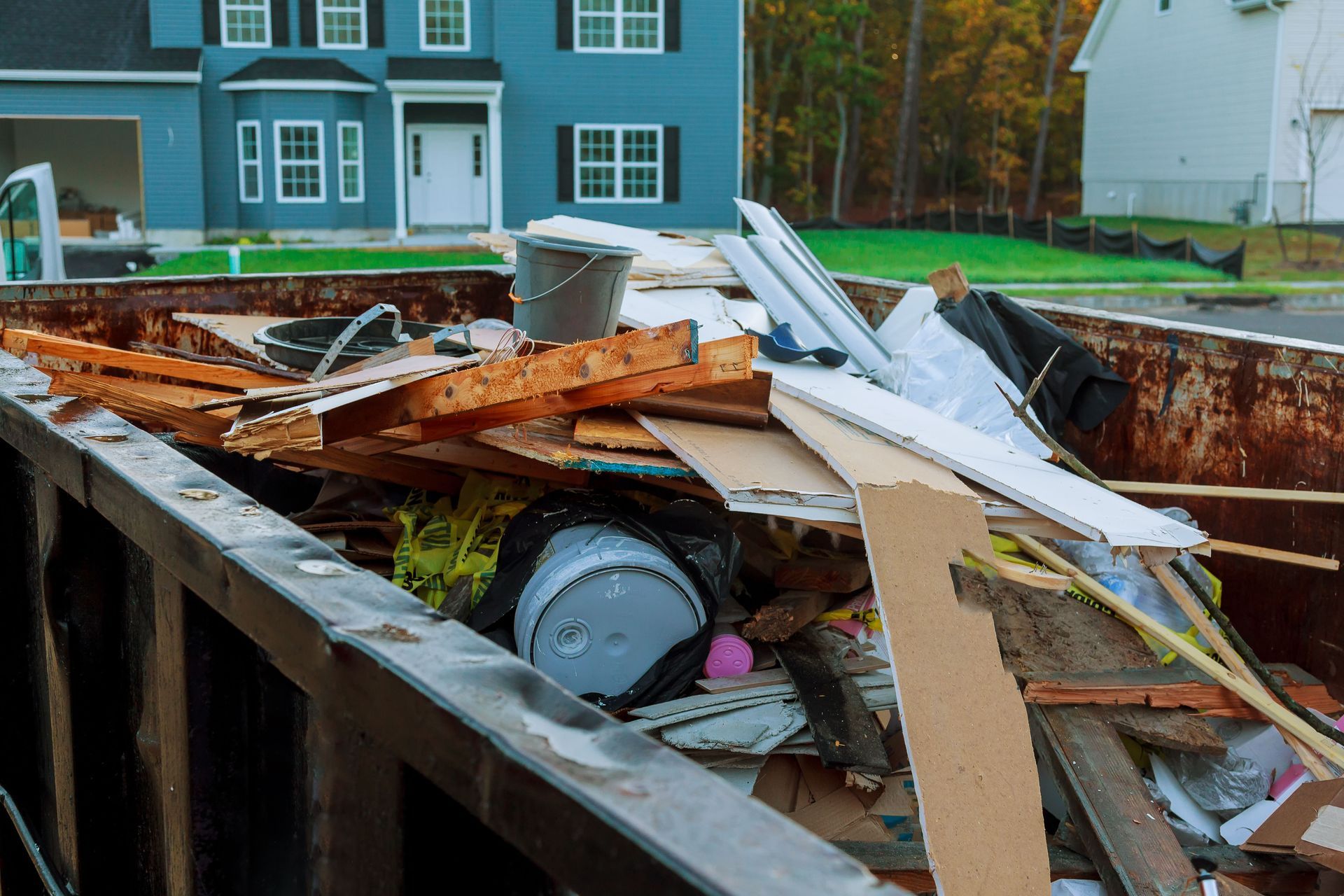
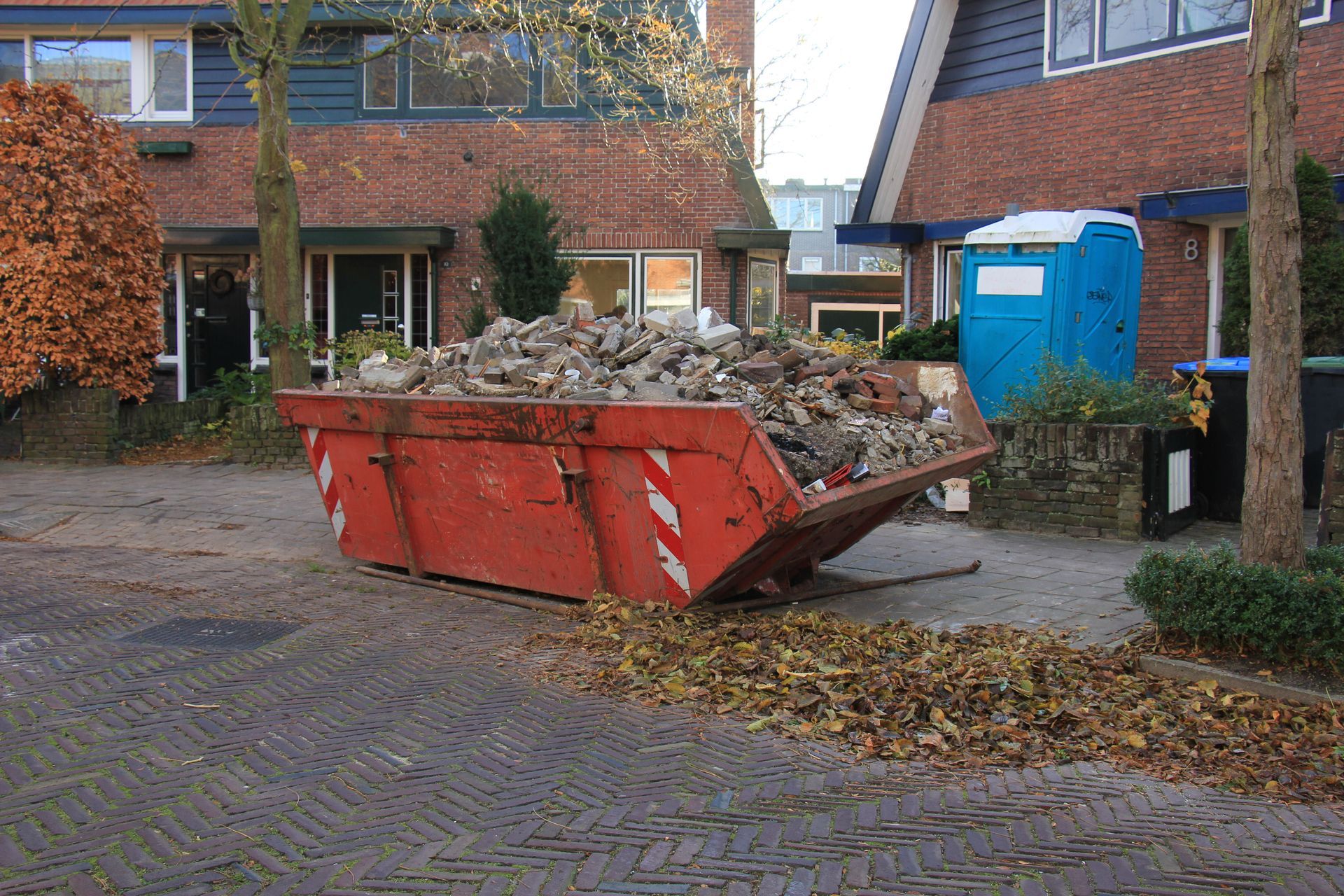
Once debris accumulates, it must be moved from the job site to an appropriate destination. Depending on the project, contractors may use containers, dumpsters, or scheduled hauling services to manage the volume of material being generated. Choosing a suitable container size and collection schedule helps prevent overflow and reduces unnecessary interruptions.
Convenience can also influence how consistently people separate and recycle materials. According to Recycle Track Systems, nearly 70% of Americans would be less likely to recycle a product if recycling it were not easy or convenient. Although this finding concerns recycling behavior generally, it highlights why accessible collection systems can matter on construction sites as well.
Contractors should consider the project's timeline, available space, expected debris volume, and local disposal requirements when arranging collection. Working with a waste removal provider can help coordinate pickups and identify appropriate handling options. Reliable collection supports an orderly job site while helping materials move toward the next stage of processing.
Transporting Materials to Appropriate Facilities
After collection, construction debris is transported to a designated facility. The destination depends on the material, its condition, local regulations, and the services available in the area. Some loads may go to transfer stations, while others can be delivered directly to recycling or recovery facilities.
Transportation requires planning because construction debris can be heavy, bulky, and difficult to handle. Concrete, bricks, and masonry create different loading challenges from lighter materials such as insulation or packaging. Certain materials may also require special precautions to prevent spills, dust, or other hazards during transit.
Properly managed disposal of construction waste includes selecting an appropriate destination rather than treating every load as ordinary trash. Contractors should confirm accepted materials, loading requirements, and any restrictions before scheduling a pickup. These steps help reduce rejected loads, unnecessary trips, and avoidable project delays.
Sorting and Inspecting Incoming Loads
At a processing facility, incoming materials may be inspected and sorted to determine which items can be recovered. Staff and equipment separate recyclable materials from trash, remove contaminants, and direct different waste streams toward suitable processing areas. The exact process varies depending on the facility and the materials it accepts.
Sorting is important because not all construction debris can be recycled in the same way. Clean concrete may be suitable for crushing, and metal can often be processed for use in new products. Wood, cardboard, and certain other materials may also be recoverable when they meet facility requirements.
Contamination can limit these opportunities. Food waste, hazardous substances, mixed materials, and unsuitable debris may interfere with processing or make a load unacceptable for a particular recycling stream. Careful separation at the job site can therefore improve the chances of recovering useful materials after delivery.
Processing Materials for Reuse and Recycling
Once materials have been sorted, recyclable items undergo processes that prepare them for another use. Concrete and masonry may be crushed into aggregate for certain construction and landscaping applications. Metal is commonly sorted by type and processed for use as a raw material in manufacturing. Clean wood may be reused or processed into products such as mulch, depending on its condition and local capabilities.
Other materials follow different paths. Cardboard can be pulped and manufactured into new paper products, while some drywall may be recycled when specialized facilities and suitable end markets are available. Materials that cannot be recovered may need to be sent to an authorized disposal facility.
The disposal of construction waste is therefore not always a single step. A load may pass through several stages before its recyclable components become usable materials. Recovery depends on the quality of the debris, the available technology, local demand, and the facility's ability to process each material safely.
Managing Materials That Cannot Be Recycled
Not every item from a construction project can be reused or recycled. Some materials are too contaminated, damaged, or mixed with other substances to recover economically. Others may lack a suitable recycling program in the local area, making proper disposal of construction waste necessary.
These materials still need to be handled responsibly. Contractors should follow applicable disposal requirements and use authorized facilities for waste that cannot be diverted from landfills. Potentially hazardous materials, including certain paints, solvents, chemicals, and asbestos-containing products, may require specialized assessment and handling. They should not be placed in ordinary construction debris containers unless the provider specifically permits them and applicable rules allow it.
Identifying restricted materials before demolition or renovation begins can help teams avoid safety issues and unexpected costs. Clear communication with waste providers also helps ensure that loads meet acceptance requirements and that materials are directed to appropriate facilities. Planning these steps in advance supports safer job sites and more efficient waste management.
Improving Construction Waste Management Practices
A thoughtful waste management plan can make construction projects more efficient and reduce unnecessary disposal. Before work starts, contractors can estimate the types and quantities of debris likely to be generated, identify potential recycling options, and arrange appropriate collection services.
Several practices can support better results:
- Plan ahead: Establish collection areas and arrange containers before debris begins accumulating.
- Train workers: Explain how to separate materials and identify items that require special handling.
- Monitor waste volume: Review the amount of debris the project generates and adjust collection schedules as needed.
- Prioritize reuse: Identify materials that can be salvaged or reused when their condition and project requirements allow.
- Verify facility requirements: Confirm accepted materials and disposal procedures with the waste provider.
These measures help teams manage the disposal of construction waste more consistently while keeping work areas organized and reducing avoidable handling. Results will vary by project, but early planning can make responsible waste management easier to maintain.
Moving Construction Debris Toward a Better Outcome
Construction waste management involves much more than removing debris from a job site. Collection, transportation, sorting, processing, and final disposal all influence whether materials can be recovered or must be discarded. When contractors plan ahead and properly separate materials, they can improve recycling opportunities, maintain organized sites, and make better use of available resources. Careful planning for the disposal of construction waste also helps projects manage debris efficiently and identify opportunities to divert suitable materials from landfills.
Choosing a dependable waste removal provider can simplify logistics and help keep projects moving. For help coordinating construction debris removal and arranging a practical waste management solution for your project, contact AAA Carting to discuss your needs and available services.


Share On: