
Smart Ways Subcontractors Streamline Construction Waste Cleanup to Protect Profits
Modern construction demands a shift toward resource-efficient waste management. For subcontractors, integrating innovative segregation, strategic removal scheduling, and robust recycling initiatives is essential for both economic viability and environmental stewardship. By modernizing job sites with advanced sorting technologies and forward-thinking methods like prefabrication, contractors can dramatically reduce their landfill footprint while safeguarding their bottom line. Here we explore how adopting these proactive strategies optimizes field operations, lowers disposal costs, and provides a distinct competitive edge in an increasingly green market.
Utilizing Innovative Waste Segregation Techniques
Using Smart Labeling for Recyclable Materials
Smart labeling systems offer a streamlined way to identify and manage recyclable materials on construction sites. By employing barcodes or QR codes on material containers, subcontractors can quickly access information on the recyclability and handling instructions. This method reduces confusion among workers, leading to improved accuracy in waste segregation. Additionally, automated sorting systems integrated with smart labeling can enhance sorting speed and efficiency. The use of technology in labeling presents a significant step forward in optimizing recyclable material handling, making the eventual construction waste cleanup much more organized and less labor-intensive.
Training Workers on Efficient Sorting Practices
Human resources are at the heart of any successful waste management strategy, making employee education crucial. Training workers on the importance of waste sorting and the identification of recyclable materials enhances operational efficiency. Well-trained employees are better equipped to differentiate between various waste types, ensuring proper segregation and disposal. Continuous educational programs not only boost workforce competence but also foster a culture of sustainability on construction sites. As a result, subcontractors witness reduced waste disposal fees, increased recycling rates, and a significantly streamlined daily construction waste cleanup routine.
Investing in Advanced Waste Separation Technology
Advanced waste separation technologies offer numerous advantages for subcontractors aiming for efficient waste management. Equipment like automated conveyors and separation robots can process large volumes of waste with precision, significantly reducing manpower requirements. The incorporation of sensors and AI-driven identification systems allows for the automation of material sorting, enhancing accuracy and efficiency. Such technological investments may have upfront costs, but they yield substantial long-term savings and environmental benefits. Subcontractors adopting these technologies not only enhance their waste management practices but also completely modernize their approach to construction waste cleanup.
Incorporating Prefabrication to Reduce Waste
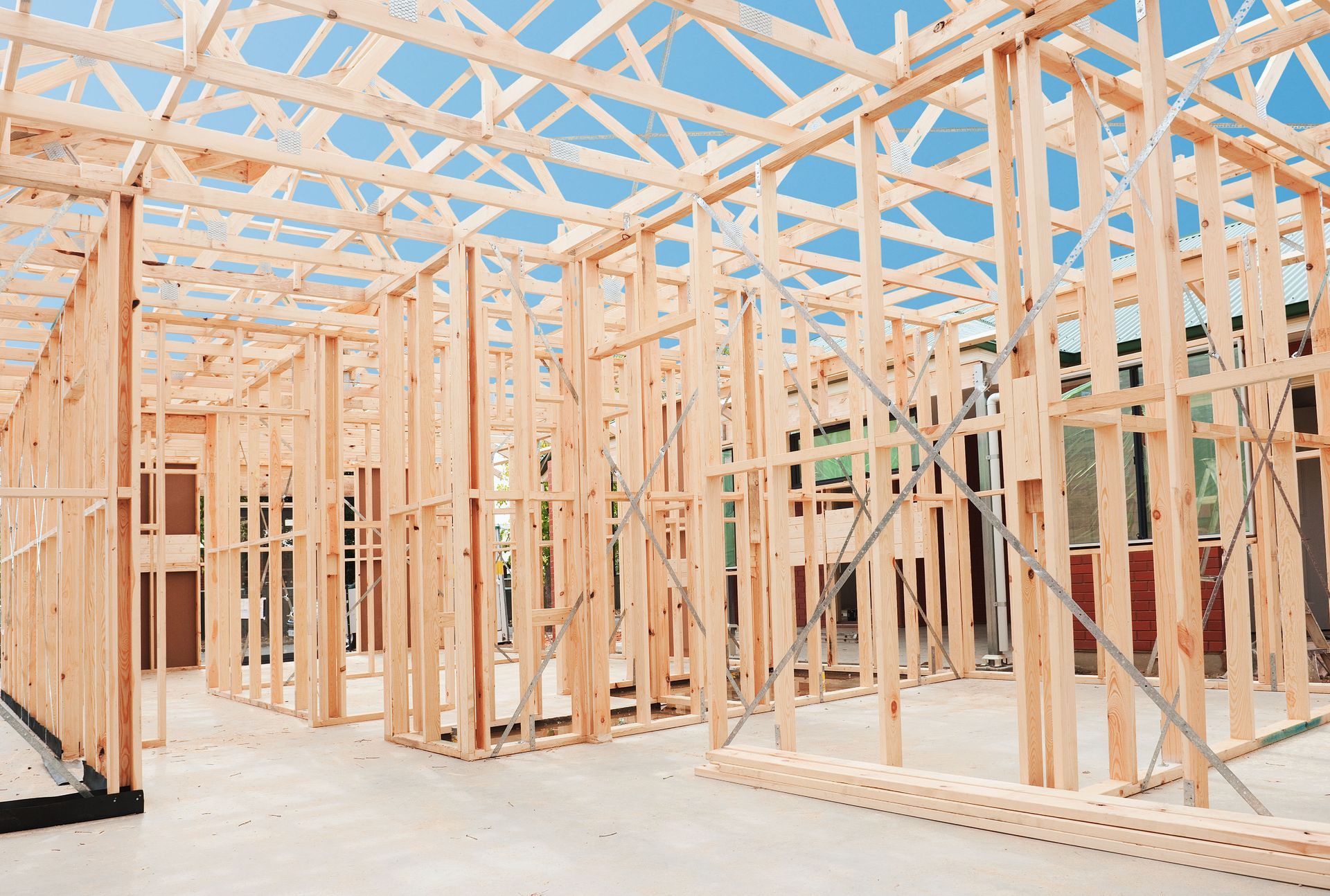
Prefabrication is a forward-thinking construction approach that minimizes waste significantly by producing components off-site under controlled factory conditions. By reducing onsite fabrication, the amount of waste produced during construction is minimized, leading to lower disposal costs and less environmental impact. This method ensures precision, reducing the risk of errors and material waste during the construction process. Additionally, prefabrication allows for better recycling opportunities, as materials are used more efficiently. By adopting prefabrication, subcontractors not only increase their sustainability credentials but also drastically reduce the physical burden of construction waste cleanup on the job site.
Optimizing Waste Removal Scheduling
Analyzing Project Timelines for Waste Peaks
An understanding of project timelines and waste generation patterns allows subcontractors to effectively schedule waste removal. Identifying peak waste production phases helps in planning the logistics for waste haulage, ensuring timely removal without overcrowding the site. By aligning waste removal schedules with project milestones, subcontractors can avoid bottlenecks that could delay construction activities. This approach ensures smooth project flow and optimizes the timing of each construction waste cleanup phase. Additionally, it enhances operational efficiency by aligning resource management directly with project demands.
Coordinating with Waste Disposal Services for Timely Pick-Ups
Effective coordination with waste disposal services is essential for maintaining an efficient construction site. Subcontractors must establish robust communication channels with service providers to ensure waste is collected promptly, preventing site congestion. By fostering strong relationships, subcontractors can negotiate flexible pick-up schedules that align with project timelines, reducing wait times. This proactive strategy reduces the risk of project delays caused by debris accumulation and associated safety hazards. Timely waste removal plays a critical role in maintaining site aesthetics, worker safety, and a successful construction waste cleanup strategy.
Developing a Flexible Scheduling System
A flexible scheduling system is vital for managing waste removal in dynamic construction environments. Such a system allows subcontractors to adjust schedules based on real-time project developments and unforeseen changes in waste output. By accommodating unexpected fluctuations, subcontractors can avoid costly last-minute waste removal services. This adaptability not only mitigates risks associated with rigid schedules but also maximizes resource utilization. Ultimately, a flexible approach to scheduling enhances waste management efficiency and supports project success.
Streamlining Communication Channels with Waste Haulers
Efficient communication with waste haulers ensures that waste management processes remain seamless and effective. By establishing dedicated communication channels, subcontractors can promptly address any issues and coordinate service adjustments as needed. This direct line facilitates rapid response to site conditions, ensuring continuous waste removal without disruption. Moreover, transparent communication fosters stronger working relationships, which can lead to improved service terms and potential cost benefits. In an industry where timing is critical, streamlined communication is key to efficient waste management and overall project success.
Embracing Recycling and Reusing Initiatives
Setting Up On-Site Recycling Stations
Creating designated recycling stations on construction sites is an effective strategy for promoting material reuse. These stations facilitate organized waste segregation, allowing workers to easily deposit recyclables like metals, plastics, and wood. By simplifying the recycling process, subcontractors can ensure that a higher percentage of waste is diverted from landfills. The setup of recycling stations also educates construction teams about sustainable practices, reinforcing company commitments to environmental responsibility. Additionally, this initiative helps in tracking recycling efforts, contributing to overall waste management transparency.
Cultivating a Culture of Reusing Materials
Encouraging the reuse of materials within the construction sector can significantly reduce waste and enhance sustainability. Subcontractors can promote a culture of reusing by highlighting the economic and environmental benefits of repurposing materials. Initiatives such as internal material exchanges and reuse repositories can lead to innovation in material application, driving creativity and cost savings. Subcontractors who adopt reuse practices demonstrate their commitment to sustainability, improving their market reputation and client appeal. A shift towards a reuse culture fosters an environmentally conscious industry that values resource efficiency.
Creating Waste-Free Goals for Construction Sites
Setting ambitious waste-free goals incentivizes proactive waste management behavior among teams. By striving for minimal waste production, subcontractors can drive innovation and optimization in construction processes. Waste-free targets encourage conscientious material handling, reduction of over-ordering, and enhanced project planning. These goals also align with industry sustainability standards, bolstering subcontractor credentials in competitive markets. A waste-free ethos not only supports environmental initiatives but also leads to significant cost reductions in material consumption and waste disposal.
Utilizing Recycled Materials in New Projects
The use of recycled materials in construction projects presents numerous benefits, including cost savings and reduced environmental impact. By incorporating recycled products, subcontractors can minimize the demand for virgin materials, which often require extensive energy and resource inputs. Utilizing materials like recycled steel not only supports sustainable construction practices but also contributes to global recycling efforts. According to Big Rentz, 1,085 million tons of steel are recycled each year, underscoring the potential for recycled materials to meet industry needs. Subcontractors embracing this approach enhance their sustainability profile and offer clients environmentally friendly building solutions.
The future of construction hinges on the industry's ability to transform waste from an expensive afterthought into a managed, valuable resource. By systematically implementing on-site segregation, optimizing haulage logistics through digital tracking, and aggressively pursuing material reuse initiatives, subcontractors can realize profound operational and financial dividends. Investing time and resources into structured construction waste cleanup protocols does more than just lower disposal fees and streamline daily workflows; it elevates a company's market reputation and aligns construction activities with global environmental goals. To learn even more about the construction waste cleanup process, reach out to the cleanup professionals over at AAA Carting today.

Share On: