
Heavy Debris Guide: Construction Dumpster Rental Weight Limits
Construction projects can generate debris quickly, and heavy materials can create problems before a dumpster looks full. Concrete, brick, roofing, soil, and mixed demolition waste all vary in weight. Understanding both container volume and weight limits helps contractors plan disposal more accurately on site.
According to HomeGuide, a 20-yard dumpster can hold about three to four tons of debris, roughly equal to six pickup truck loads. Every provider sets its own limits, so construction dumpster rentals should be planned around both container size and the specific materials being discarded.
Why Weight Limits Matter
A dumpster is measured by volume, usually in cubic yards, but the truck transporting it is limited by weight. That distinction matters because a container can reach its allowable weight before it is visually full. Heavy debris may occupy only part of the container while still creating a load that is too heavy to transport safely.
We set weight limits according to container size and the type of debris involved. Those limits help determine what can be hauled, how the load should be distributed, and whether a different container or disposal plan is needed. Before ordering construction dumpster rentals, customers should tell us what materials they expect to remove so we can help match the container to the project.
Heavy Materials Fill Weight Capacity Quickly
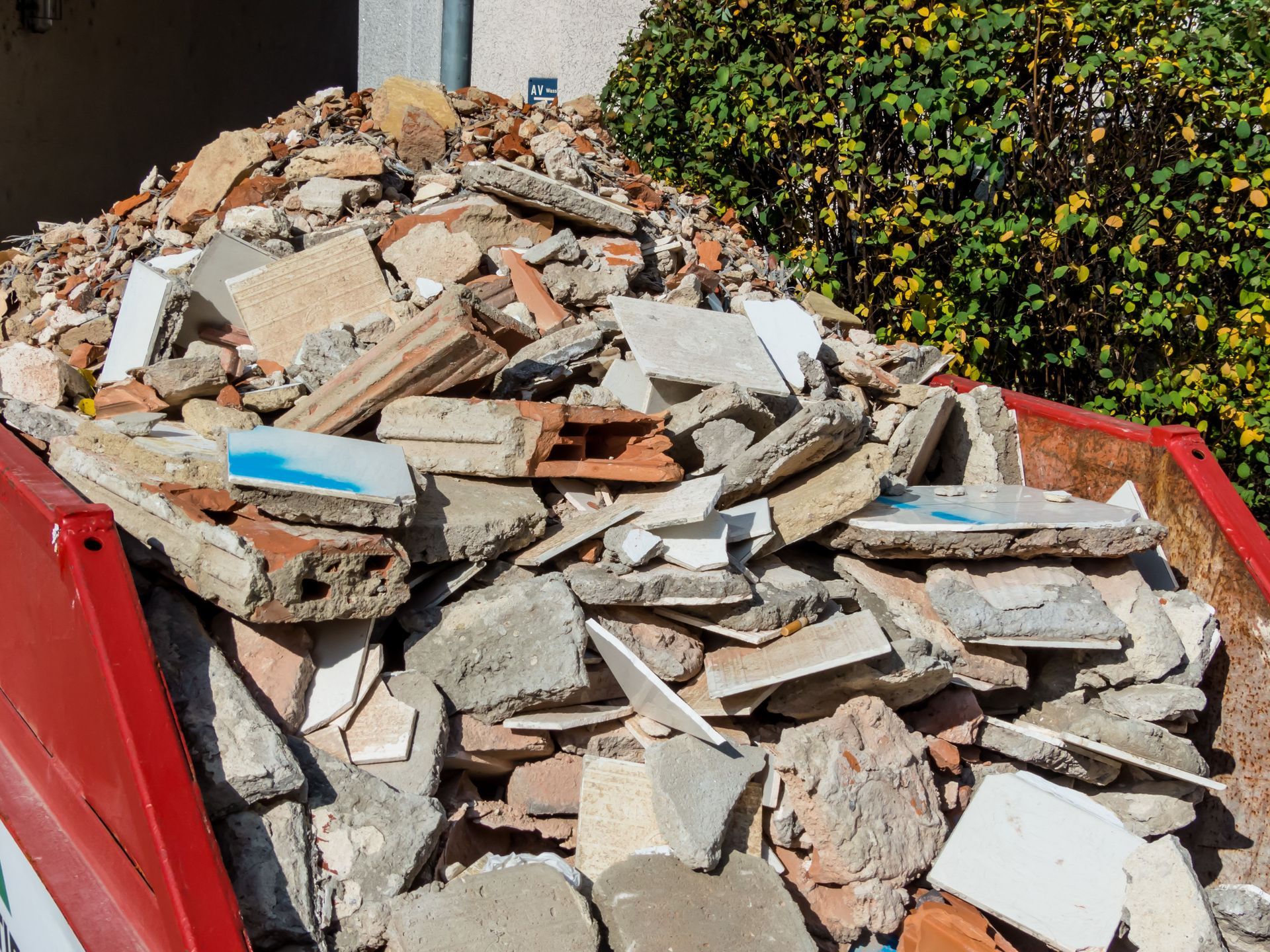
Concrete, asphalt, brick, block, dirt, stone, and similar materials are much denser than wood, drywall, packaging, or household debris. A relatively small pile of masonry can weigh more than a much larger volume of lightweight renovation waste. That is why judging a load by how high it sits in the dumpster can be misleading.
For projects involving particularly dense materials, it may make sense to use a smaller container or separate heavy debris from lighter material. The goal is not simply to maximize cubic-yard capacity. It is to create a load that can be transported within the agreed weight allowance and handled appropriately at the disposal or recycling facility.
Mixed Debris Requires Extra Planning
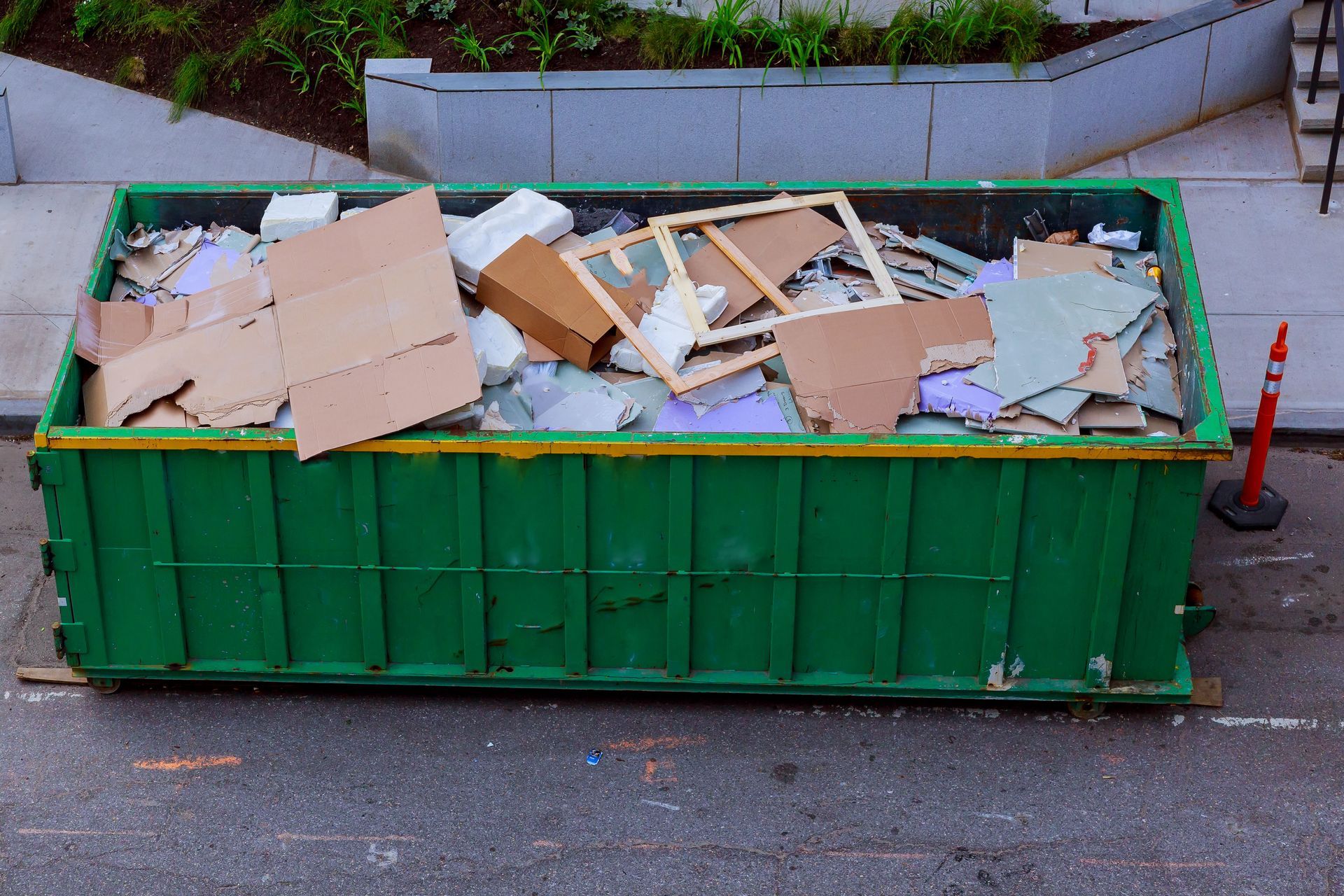
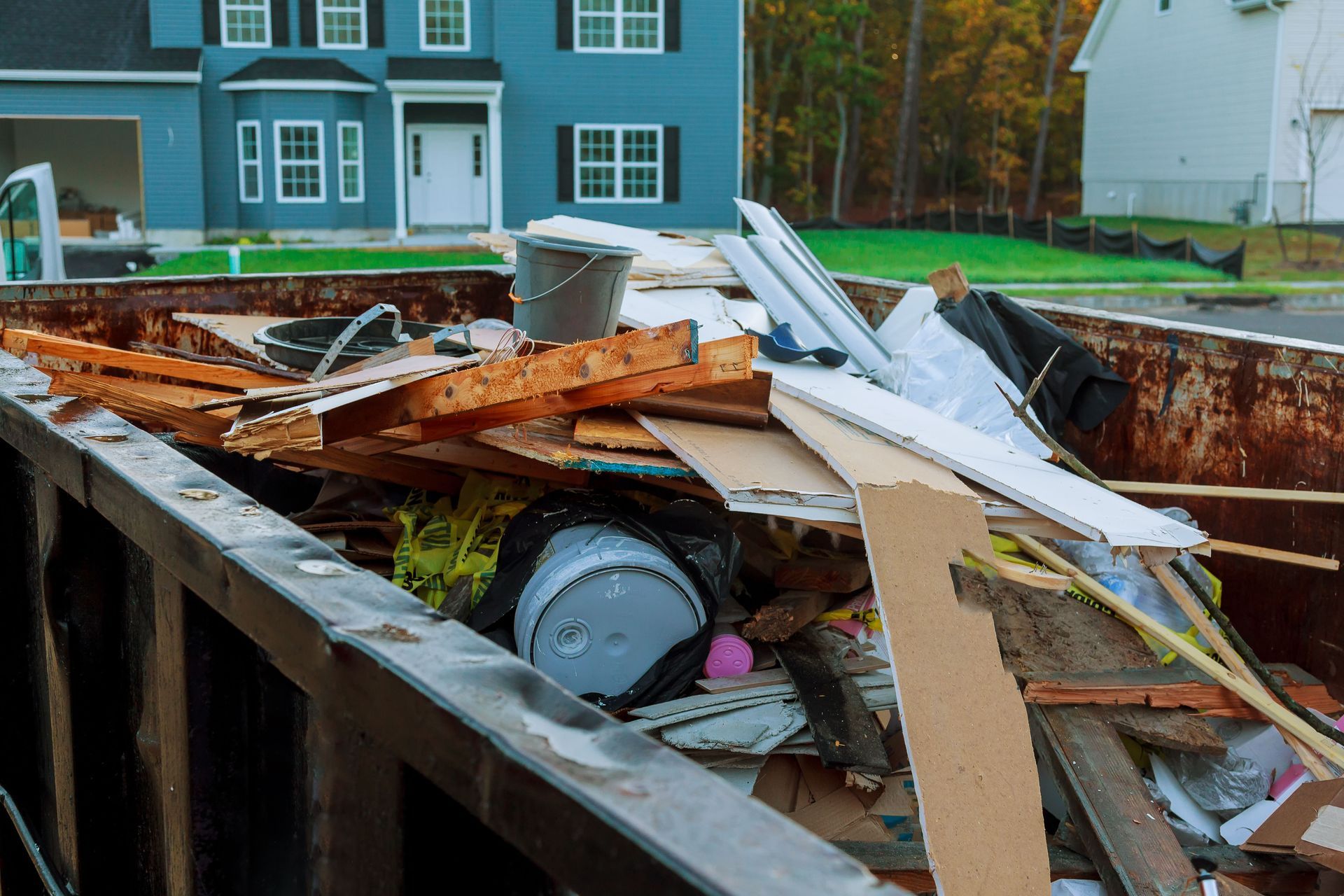
Many construction sites do not produce one uniform waste stream. A remodel may generate lumber, drywall, cabinets, flooring, fixtures, packaging, metal, and masonry at the same time. Mixed debris can make estimating weight harder because the materials have very different densities.
When using construction dumpster rentals for mixed debris, contractors should think about both the volume of bulky items and the weight of dense materials. Loading a container with mostly wood and drywall creates a different result from filling the bottom with concrete and then adding lighter debris on top. The second load may reach its weight limit much sooner.
Container Size Does Not Tell the Whole Story
Larger dumpsters provide more cubic-yard capacity, but a larger container does not automatically mean that it should be filled completely with the heaviest available materials. Every container has practical hauling limits, and dense debris can make a large dumpster too heavy before its volume is fully used.
We offer roll-off containers in multiple sizes, including options from 10 to 50 cubic yards. Smaller containers can work well for limited cleanouts or certain heavy-material projects, while larger sizes are useful for renovations, construction, demolition, and bulky debris. The right choice depends on what is being removed, not only on the size of the jobsite.
Before choosing a container, estimate the type and amount of debris as realistically as possible. If the project changes after work begins, contact us before loading a large amount of unexpected heavy material. Adjusting the disposal plan early is easier than dealing with an overloaded container after the fact.
Loading Technique Can Affect the Final Load
Efficient loading is about more than fitting the largest possible amount into the dumpster. Heavy materials should be distributed carefully rather than concentrated in one area. An uneven load can create handling problems, while debris piled above the container walls may interfere with safe pickup and transportation.
Construction crews should keep materials within the container and follow the loading instructions provided with the rental. Do not assume that crushing, packing, or stacking material more tightly creates additional weight capacity. Compacting debris may free volume while leaving the total weight unchanged or even making it easier to exceed the allowance.
Our team can provide guidance when customers have questions about loading. With construction dumpster rentals, clear communication about material type, expected quantity, and project timing helps us provide a container and pickup schedule that fit the work being performed.
Weather Can Change the Weight of Some Debris
Construction debris does not always weigh the same from day to day. Rain can add moisture to materials such as soil, drywall, wood, roofing debris, and other porous waste. A container that was within expectations when loaded may become heavier after prolonged exposure to wet weather.
Contractors should keep weather in mind when planning disposal, especially when the project includes soil or materials that readily absorb water. Covering a container may be appropriate in some circumstances, but customers should ask about the rental provider's requirements before adding any covering or changing how the container is used.
Weight Limits Can Affect Project Costs
Dumpster pricing can depend on container size, rental period, disposal fees, debris type, and weight. If a load exceeds the included allowance, additional charges may apply. Understanding those terms before loading begins makes it easier to budget accurately and avoid surprises when the container is removed.
We recommend asking about the applicable weight limit when arranging construction dumpster rentals rather than assuming every size includes the same tonnage. Our FAQ notes that weight limits vary by container size, so customers should contact us for details related to the particular dumpster and project.
Project managers can also reduce uncertainty by estimating separate phases of debris. Roofing removal may produce a different load from interior demolition, and masonry work may need a different strategy from a general cleanout. Matching the container and pickup plan to each phase can make disposal more predictable.
Site Access and Placement Matter Too
Weight planning begins before the dumpster is loaded. Delivery trucks need enough room to place and retrieve the container, and the selected location should support the dumpster throughout the rental period. Construction sites with narrow driveways, soft ground, restricted entrances, or active equipment may require additional placement planning.
We work with customers to coordinate delivery and pickup and offer same-day service when available. Our roll-off containers support residential, commercial, and construction cleanup, and our team can help determine an appropriate size based on the project, debris, and available space.
Plan Heavy Debris Before the Dumpster Arrives
The best time to think about weight is before loading starts. Identify the materials being removed, estimate how much each phase may generate, and discuss dense debris with the rental provider. Knowing whether the project includes concrete, brick, dirt, roofing, wood, drywall, or mixed demolition waste makes it easier to choose a workable container strategy.
We have more than 30 years of experience providing roll-off containers, construction waste removal, hauling, recycling, and related services. Our containers range from 10 to 50 cubic yards, and we provide pickup six days a week, 24-hour emergency service, free estimates, and fast scheduling for projects throughout our service area.
If you are planning a remodel, demolition, roofing job, cleanout, or other construction project, contact AAA Carting before ordering your container. We can help you review debris type, container size, weight considerations, placement, and pickup timing. For construction dumpster rentals that match the actual demands of your project, reach out to our team for a free estimate and practical guidance before loading begins.

Share On: