
Emergency Debris Cleanup: What to Do When Disaster Strikes
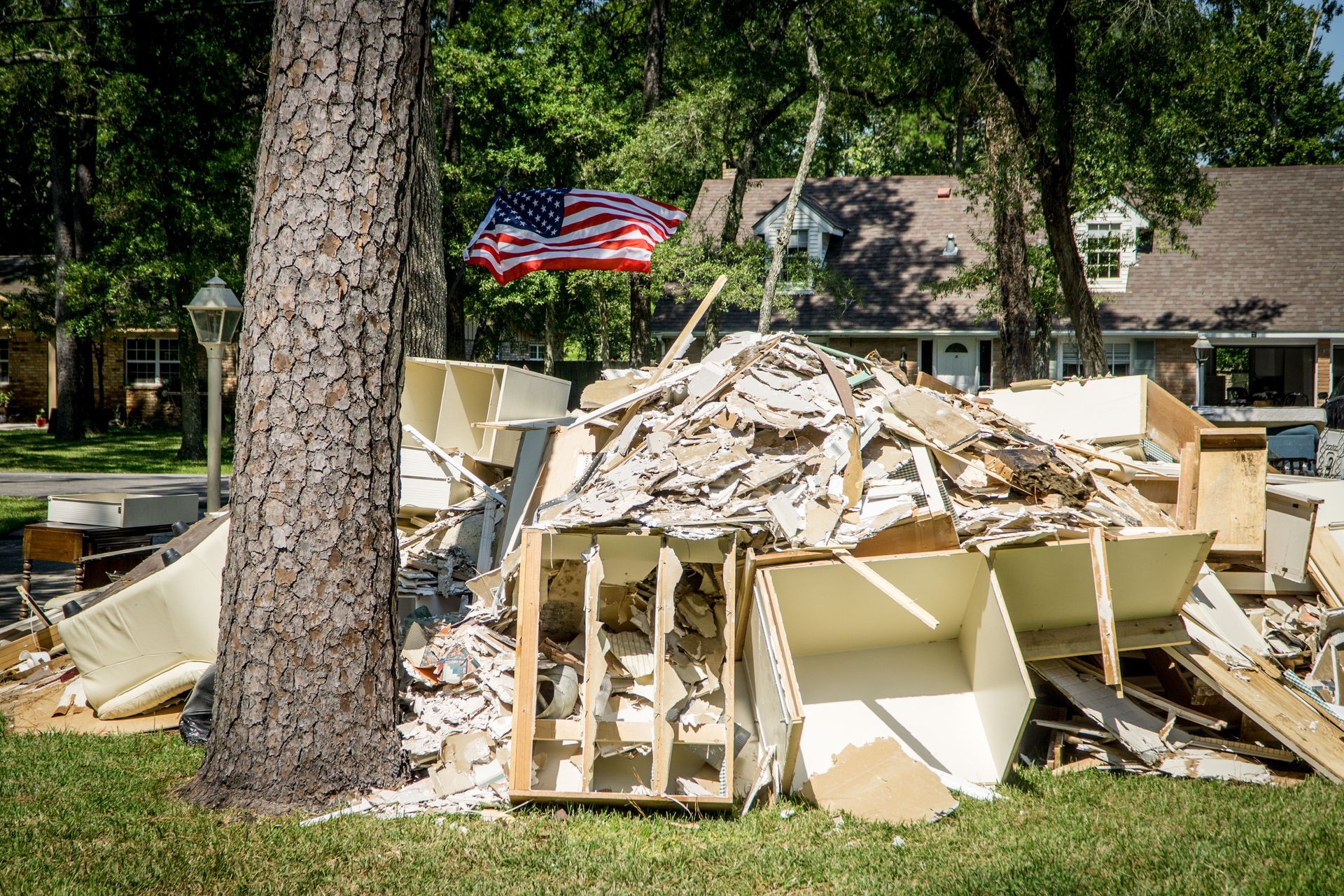
When natural disasters, severe storms, unexpected structural failures, or flash flooding strike a community, residential properties often suffer extensive physical damage in an instant. High-velocity winds tear away roofing materials, heavy rainfall floods basements with silt and contaminated water, and fallen tree branches shatter windows while blocking primary driveways. In the immediate aftermath of a severe storm event, property owners face the overwhelming task of clearing away heaps of wet drywall, shattered timber, twisted metal, and ruined personal belongings. Navigating this chaotic recovery phase requires a clear strategy to prevent secondary structural damage, eliminate biological hazards, and restore safe access across your property footprint. Rapid debris management serves as the critical first step toward rebuilding, allowing homeowners to separate salvageable items from ruined materials while preparing structural subfloors and framing for professional remediation. Establishing an organized waste disposal plan ensures that hazardous materials move off the property quickly, preventing pest infestations, mold growth, and safety hazards during active cleanups. Securing reliable waste management infrastructure, such as a high-capacity dumpster rental service, gives homeowners the container capacity required to haul away bulky storm debris safely, efficiently, and in accordance with local environmental waste guidelines.
Assessing Property Hazards
Evaluating immediate safety risks across your storm-damaged property forms an essential initial step before beginning any physical cleanup activities. High winds and structural impacts frequently compromise electrical wiring, disrupt natural gas lines, destabilize exterior load-bearing walls, and create hidden overhead fall hazards from suspended tree branches. Before stepping onto storm-damaged terrain or entering flooded subterranean basements, property owners must confirm that utility companies have safely disconnected electrical service and gas lines across affected neighborhoods. Wearing sturdy personal protective gear, including puncture-resistant steel-toe boots, heavy leather work gloves, eye protection, and high-filtration respirator masks, shields workers from sharp metal edges, exposed nails, broken glass, and airborne mold spores. Identifying hazardous substances such as asbestos insulation, lead-painted drywalls, liquid fuels, or household chemicals ensures that workers avoid mixing dangerous toxic waste into standard disposal containers. Systematically inspecting the perimeter allows property owners to map out safe transit paths, mark structurally unstable zones, and establish designated staging areas for sorted wreckage before heavy physical labor begins.
Sorting Waste Streams
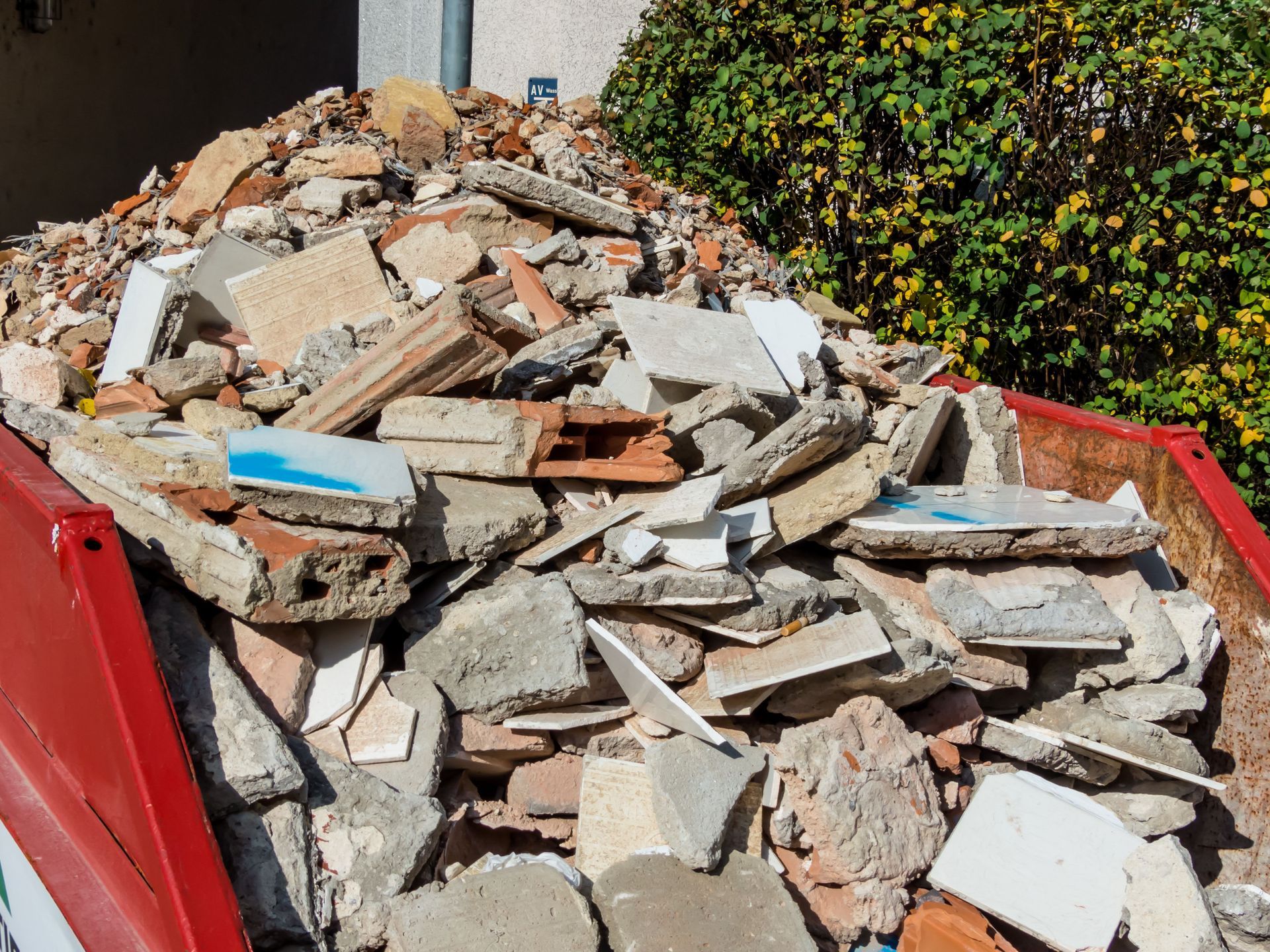
Organizing storm wreckage into distinct waste streams significantly accelerates total cleanup efforts while ensuring compliance with municipal waste disposal regulations. Indiscriminately piling mixed materials together creates massive logistical bottlenecks at local landfills and complicates hazardous waste processing during regional disaster recovery efforts. Sorting waste into designated piles for structural timber, metal piping, organic yard waste, electronic appliances, and general construction debris makes loading efficiency much higher. Securing a dedicated dumpster rental service allows property owners to consolidate large volumes of heavy construction material directly on site, keeping primary driveways, walkways, and emergency access corridors completely clear of obstruction. Separating recyclable metals and clean lumber from contaminated drywall and carpet preserves local recycling channels while reducing landfill strain during community-wide emergency cleanups. Furthermore, keeping hazardous household chemicals, automotive batteries, and oil-based paints isolated in a separate, secure holding area prevents environmental contamination and ensures safe transport to specialized municipal hazardous
collection facilities.
Securing Disposal Containers
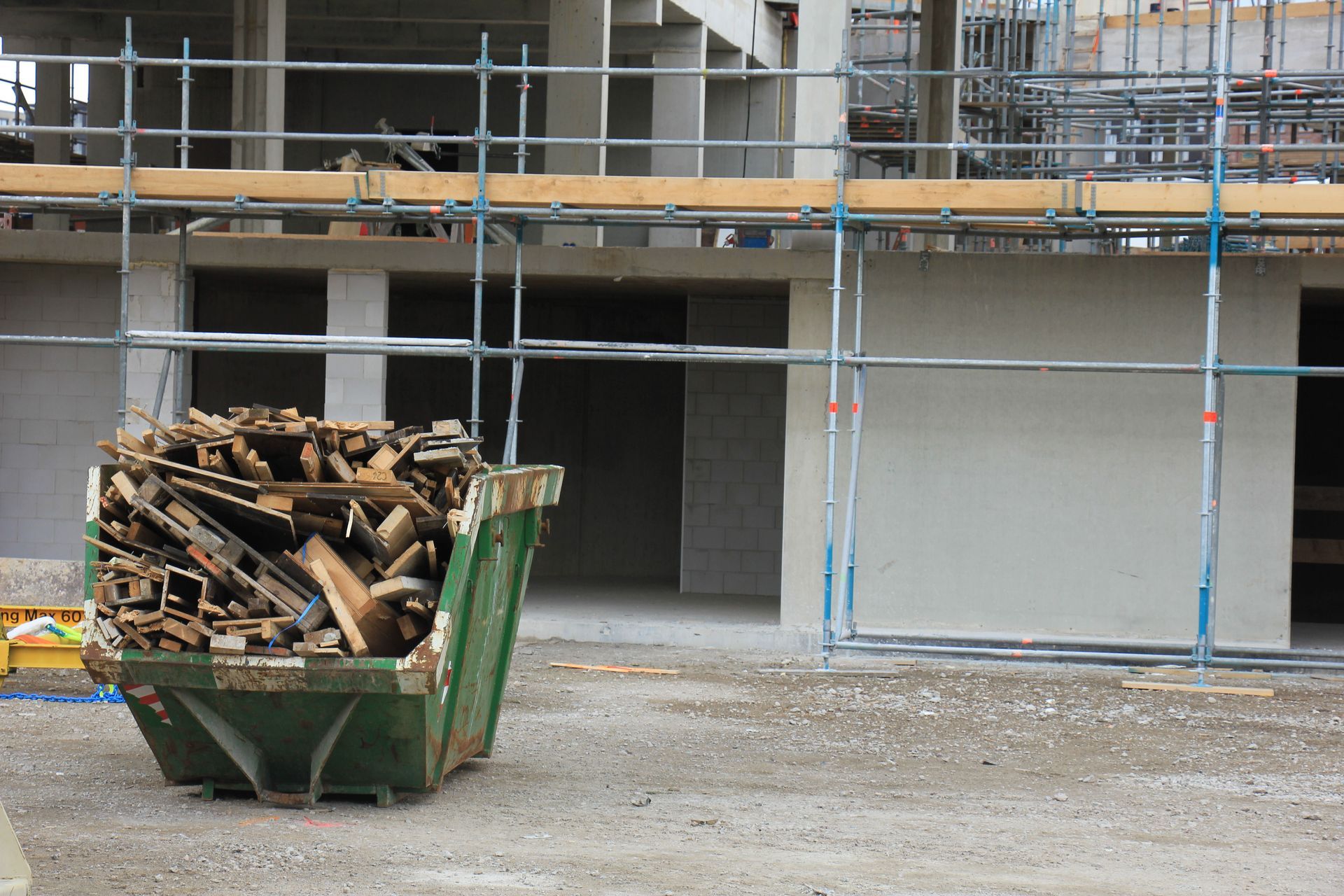
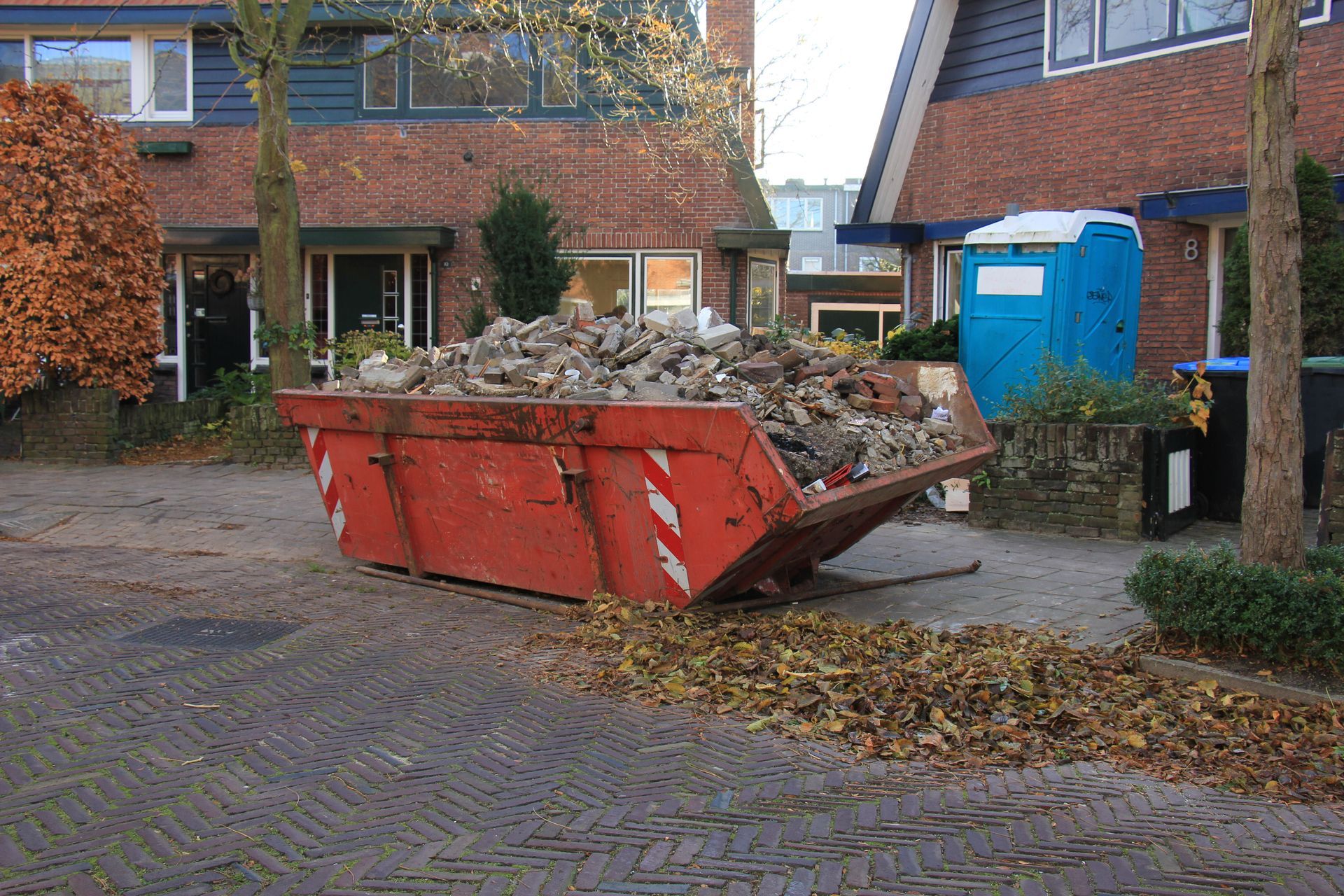
Selecting high-capacity roll-off disposal containers provides the necessary physical infrastructure required to manage large volumes of storm debris efficiently during active emergency recovery operations. Attempting to clear major structural damage using standard household trash bins or small utility trailers results in dozens of exhausting, time-consuming trips to local transfer stations, dragging out the recovery timeline unnecessarily. According to HomeGuide, a 40-yard dumpster is capable of holding five to six tons of debris or trash. This massive weight allowance and structural volume accommodate bulky demolition waste, heavy soaked carpeting, shattered roofing materials, and large structural timbers without overflowing or exceeding legal highway haul limits. Partnering with a responsive dumpster rental service guarantees that heavy-duty containers arrive promptly at your residential property, giving your cleanup crew an immediate, centralized collection point for heavy demolition waste. Strategic container placement on solid driveways or concrete pads maximizes loading safety, preventing heavy collection equipment from sinking into rain-soaked lawns or damaging subterranean utility lines during loading operations.
Eliminating Water Damage
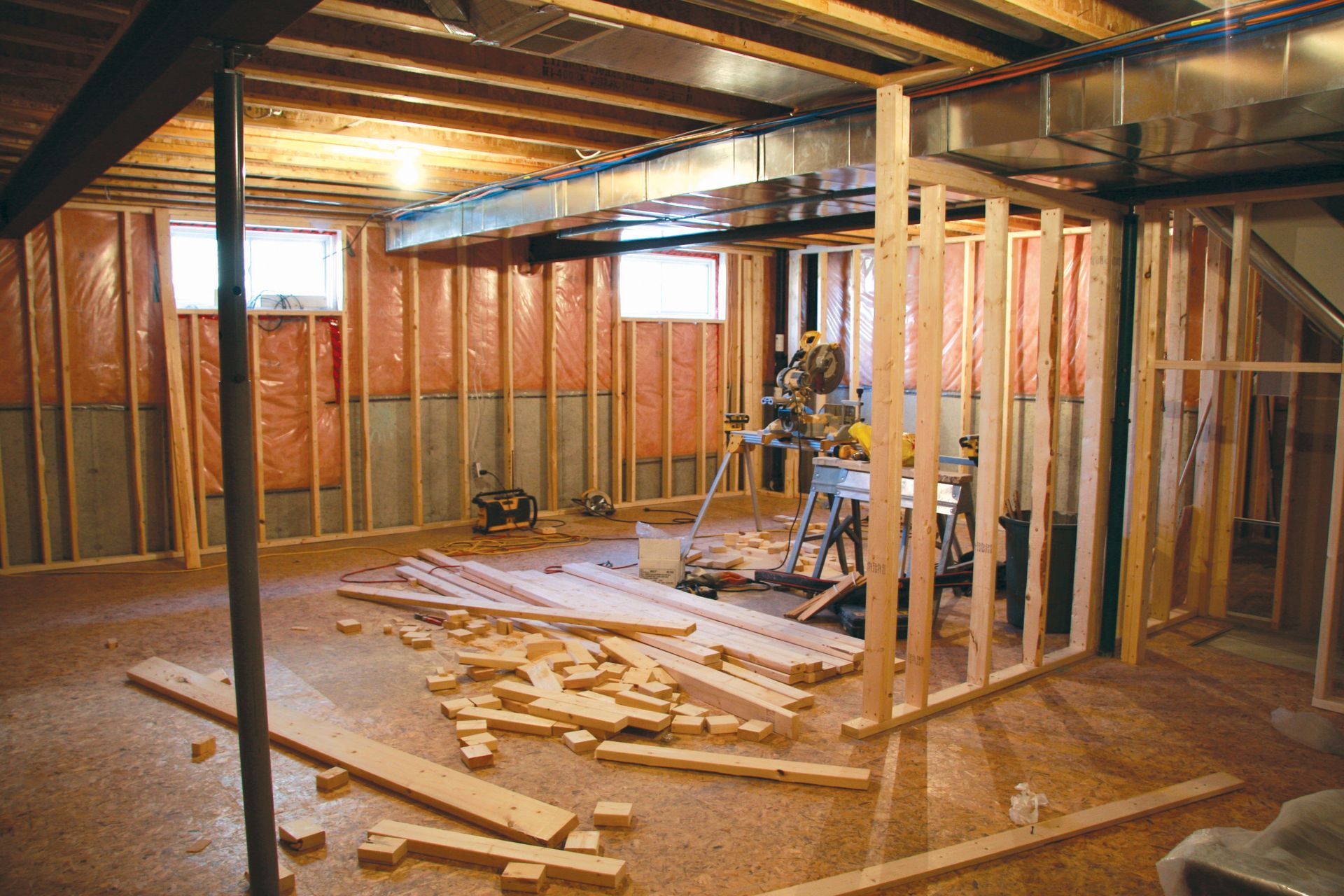
Removing saturated building materials quickly remains vital for preventing widespread toxic mold growth, structural wood rot, and foul airborne odors across affected living environments. Soaked drywall, ceiling tiles, fiberglass insulation, upholstered furniture, and carpet padding act as giant sponges, holding stagnant moisture deep within building envelopes long after floodwaters recede. Removing wet porous materials within the initial day or two following a flooding event halts fungal spore germination and protects remaining structural framing from irreversible dry rot. Tearing out soaked materials down to bare wall studs and subflooring creates necessary ventilation pathways, allowing commercial air movers and industrial dehumidifiers to dry out exposed wooden structural components thoroughly. Tossing heavy, waterlogged carpets and ruined furniture directly into a nearby dumpster rental service keeps contaminated materials from sitting in piles against exterior walls, where lingering moisture could seep back into foundation masonry or attract unwanted wood-destroying pests.
Coordinating Professional Assistance
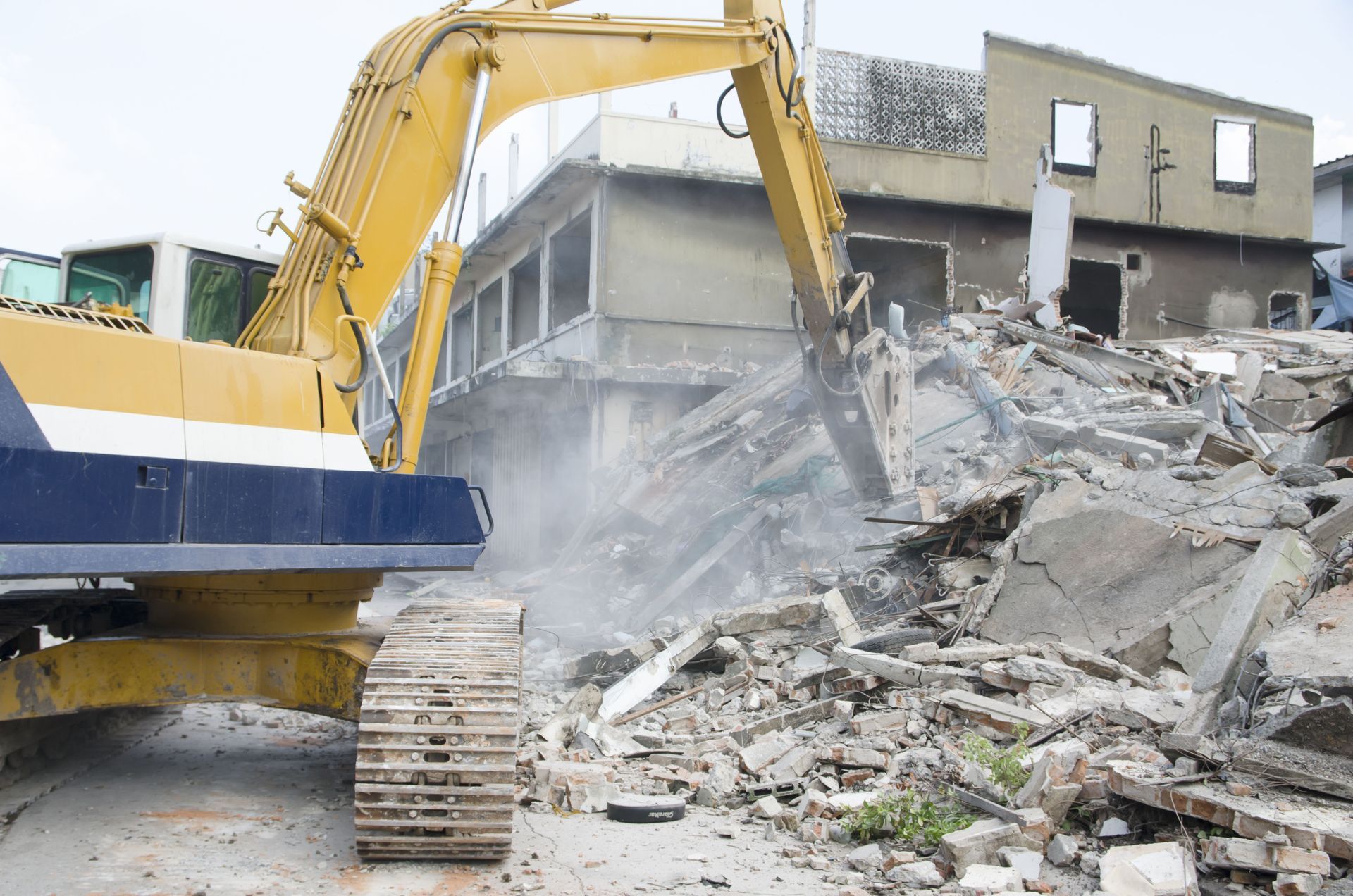
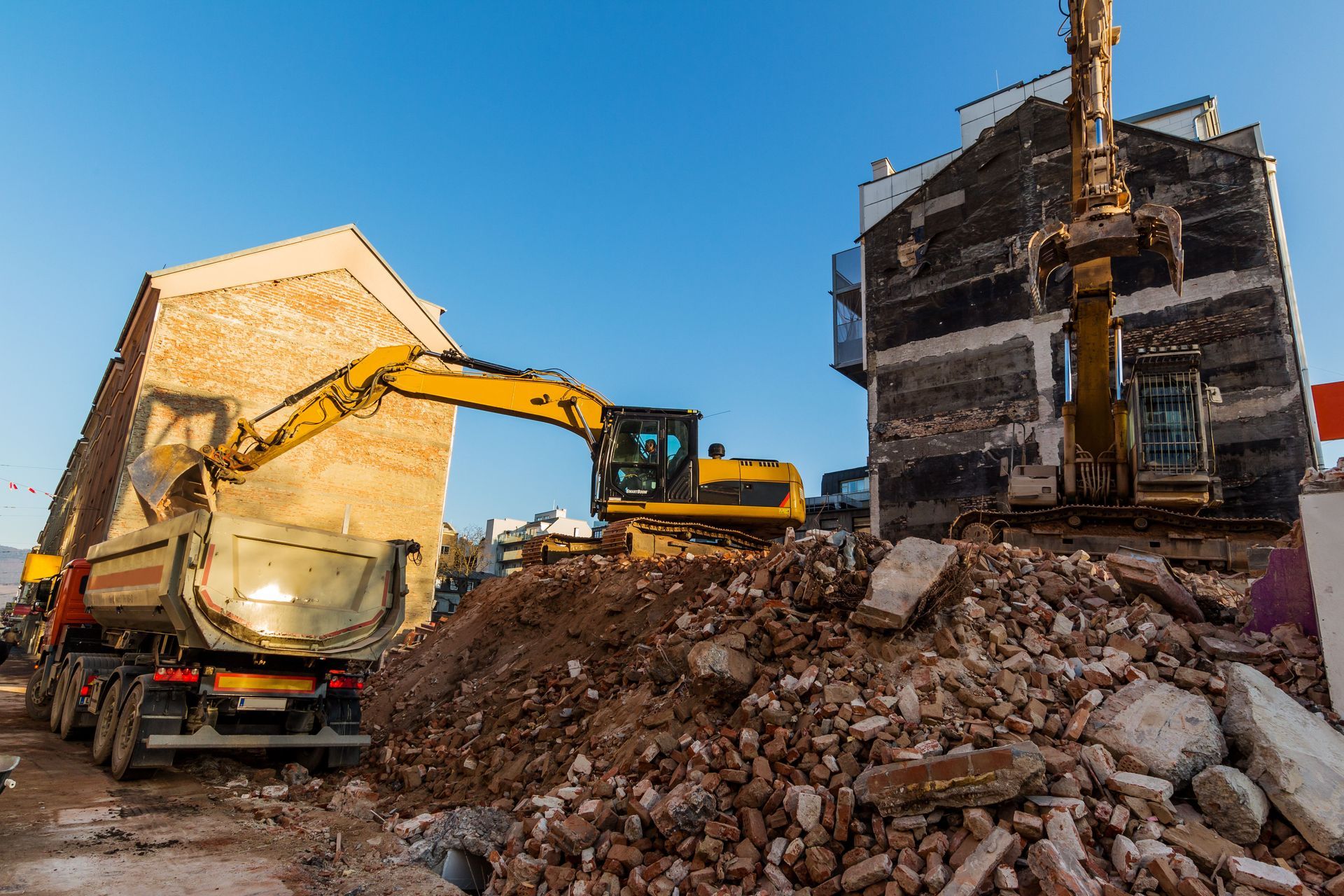
Engaging professional disaster remediation teams and specialized equipment operators accelerates heavy clearing operations while ensuring absolute safety across severe damage zones. Large fallen trees, collapsed roof trusses, suspended structural beams, and deeply buried debris often exceed the physical capabilities of standard hand tools and basic personal equipment. Certified remediation specialists bring heavy machinery, hydraulic saws, commercial water extraction pumps, and specialized rigging gear required to stabilize compromised structures and clear heavy obstructions safely. Working alongside a reputable dumpster rental service allows professional remediation crews to maintain continuous cleanup momentum, immediately transferring heavy cleared wreckage out of work zones into secured containment units. Professional coordination ensures that emergency cleanups adhere strictly to regional environmental safety regulations, municipal waste guidelines, and federal disaster response protocols, reducing personal liability for property owners while streamlining insurance claims processes.
Restoring Site Safety
Finalizing your disaster cleanup involves conducting thorough surface sweeps, removing remaining micro-debris, sanitizing exposed subfloors, and securing the surrounding property perimeter against future weather exposure. Once heavy structural wreckage has been loaded and hauled away, sweeping hard surfaces with magnetic sweepers collects stray nails, metal screws, and sharp hardware that pose tire puncture or personal injury risks. Washing down exposed concrete foundations, tile floors, and non-porous structural framing with EPA-approved antimicrobial disinfectants neutralizes lingering bacteria, sewage contaminants, and mold spores left behind by receding stormwaters. Securing open roof sections, broken window openings, and compromised exterior doorways with heavy-duty weather-resistant tarps and sturdy plywood sheathing protects bare interior framing from prospective rain events while permanent structural repairs are arranged. Establishing a clean, sanitized, and structurally sound baseline allows licensed residential contractors to step in safely, initiating structural rebuilding, drywall installation, and final cosmetic interior finish work to restore your home to its original beauty.
Recovering from unexpected storm events and sudden structural disasters requires prompt, methodical action to protect personal safety, preserve foundational integrity, and restore order across your property. By systematically assessing structural hazards, sorting waste streams, removing waterlogged materials, and securing proper disposal infrastructure, homeowners can navigate complex emergency cleanups with complete confidence and safety. Having a reliable container capacity on site keeps work corridors clear, accelerates heavy demolition work, and prevents secondary environmental damage from lingering storm wreckage. At AAA Carting, we are deeply committed to supporting our community through every emergency recovery challenge, providing reliable, heavy-duty waste container solutions tailored to clear storm debris quickly, safely, and efficiently. Contact us today to learn more.



Share On: