
The Complete Checklist for Safe and Legal Asbestos Abatement
Asbestos remains one of the most hazardous legacy materials across residential, commercial, and industrial properties. Prized for fireproofing, asbestos was routinely blended into plaster, pipe wraps, roofing, and floor tiles. Medical research established that friable asbestos fibers induce severe pulmonary diseases. Because demolition fractures these brittle bonds, handling asbestos requires stringent precautions rather than conventional construction practices.
Proper abatement demands a disciplined strategy that balances worker protection, public health, and environmental compliance. Mitigating asbestos contamination involves systematic risk identification, administrative compliance, airtight containment, and certified disposal. Property managers and contractors must navigate complex legal frameworks to eliminate hazards without contaminating adjacent areas. This checklist provides a roadmap for safe, legal asbestos abatement.
Identifying Asbestos Hazards and Structural Risks
Asbestos encompasses six naturally occurring silicate minerals, chiefly chrysotile, amosite, and crocidolite, formed of microscopic fibers. Undisturbed within a solid matrix, these materials pose little immediate danger. The threat emerges when aging materials degrade or suffer disruption during remodeling, sawing, or drilling. Once freed, microscopic fibers linger in ambient air. Inhaling these invisible particulates causes internal scarring, leading to asbestosis, lung cancer, and mesothelioma. Because clinical symptoms take decades to emerge, early detection is virtually impossible.
Structures erected before the regulatory restrictions of the late twentieth century routinely conceal asbestos across multiple components. Common reservoirs include acoustic ceilings, thermal pipe wraps, heating duct insulation, cement panels, vinyl flooring, and spray-applied fireproofing. Owners cannot reliably identify asbestos visually, as dangerous fibers are microscopic and blended with non-hazardous materials. Suspected materials require bulk sampling and polarized light microscopy analysis by accredited laboratories.
Misconceptions about asbestos often tempt property owners into dangerous remediation mistakes. A common myth suggests that brief exposure carries negligible harm, yet toxicological data show that even short-term inhalation can initiate permanent cellular damage. Similarly, painting over friable asbestos or applying consumer adhesive tapes does not provide true encapsulation. Amateur removal releases particulate plumes into air systems, multiplying remediation costs and health risks. Safe management always begins with a professional hazardous materials assessment before physical disturbance begins.
Navigating Regulatory Compliance and Licensing Mandates
Federal oversight establishes the operational baseline for asbestos management across the United States. Key statutes, including the Clean Air Act and the Toxic Substances Control Act, empower the Environmental Protection Agency to enforce comprehensive emissions standards across commercial facilities. Concurrently, the Occupational Safety and Health Administration regulates exposure thresholds, ventilation requirements, medical surveillance, and worker protective equipment. These coordinated regulations mandate notifications, testing regimens, and disposal protocols to prevent releasing hazardous particulates into the environment.
State and municipal authorities frequently enact standards that exceed federal baselines. Local bodies often enforce tighter permissible exposure limits, mandate longer advance notification periods, and designate specific transport routes for hazardous shipments. Contracting an authorized construction waste disposal service ensures that every operational phase respects these overlapping jurisdictional mandates. Because air quality boards can issue stop-work orders or heavy fines for non-compliance, maintaining alignment with local agencies remains essential.
Contractors undertaking abatement work must hold valid state licenses, certified credentials, and comprehensive environmental liability coverage. Certified personnel complete extensive instruction in engineering controls, decontamination, compliance, and respiratory protection. Property owners must preserve records throughout the project lifecycle, including initial surveys, permits, daily air monitoring results, and landfill waste manifests. Maintaining meticulous records shields owners against legal disputes, audits, or liability claims.
Preparing Detailed Abatement and Safety Protocols
Thorough preparation serves as the primary defense against site contamination during an abatement project. Once a qualified inspector validates asbestos within a structure, planners draft a detailed abatement scope. This document establishes operating perimeters, milestones, negative pressure requirements, and removal techniques matched to material friability. Designing an organized workflow prevents accidental disruptions and ensures unaffected building areas remain isolated throughout remediation.
Administrative preparation requires securing local building permits and notifying state environmental protection agencies well before initiating work. Jurisdictions generally mandate a written notice period of ten to fourteen days prior to disturbing regulated asbestos materials. Communication with occupants and tenants is equally critical. Management must deliver briefings outlining project timelines, safety measures, access limitations, and air monitoring schedules to secure public cooperation.
Protecting site crews and building occupants demands rigorous protective equipment configurations and site logistics. Workers must wear full-face negative pressure or powered air-purifying respirators equipped with high-efficiency particulate air filters. Disposable coveralls, protective boots, and impermeable gloves prevent dermal contamination and stop fibers from escaping the work zone. Scheduling a dedicated construction waste disposal service during this planning phase ensures heavy-duty containment drums, approved poly bags, and specialized transport resources arrive on site without logistical delays.
Executing Controlled Removal and Containment Measures
Establishing airtight containment is paramount before disturbing hazardous structural elements. Abatement crews isolate the workspace using double-layered, fire-retardant polyethylene sheeting sealed across walls, floors, and HVAC vents. Negative air machines equipped with continuous HEPA filtration exhaust filtered air outside, preventing contaminated atmosphere from migrating inward toward clean zones. Multi-stage decontamination units featuring clean rooms, showers, and equipment rooms govern worker entry and egress, ensuring no fibers escape.
Controlled removal relies on manual dismantling using wet extraction techniques. Abatement specialists saturate materials with amended water containing surfactant chemicals, which penetrate mineral fibers and suppress dust plumes during detachment. Powered saws, aggressive grinding, and dry scraping remain prohibited unless operating within sealed glove bags. Workers package detached asbestos into designated six-mil poly bags, double-sealing and wiping each exterior surface thoroughly before transit. Coordinating with a certified construction waste disposal service to handle contaminated materials guarantees seamless transfer from secure zones to authorized vehicles.
Continuous dust management prevents toxic accumulation within containment perimeters. High-efficiency vacuum systems capture loose particulate matter at the point of generation, while ambient misting units maintain airborne moisture levels. Regular background air sampling verifies that the engineered negative pressure envelope remains stable and functional. Rigorous cleaning protocols conclude each operational shift, utilizing damp microfiber wipes and specialized HEPA vacuums to sweep surfaces clean.
Managing Post-Abatement Clearance and Waste Disposal
Following manual extraction, independent environmental technicians conduct visual examinations and clearance testing before containment barriers are dismantled. Technicians inspect crevices, duct ledges, and floor joints for lingering dust before conducting air clearance tests. Air blowers agitate interior room air while stationary pumps pull samples through microscopic filters, which analysts examine using electron microscopy. The site can only be certified as clean once airborne fiber counts register below mandatory legal thresholds.
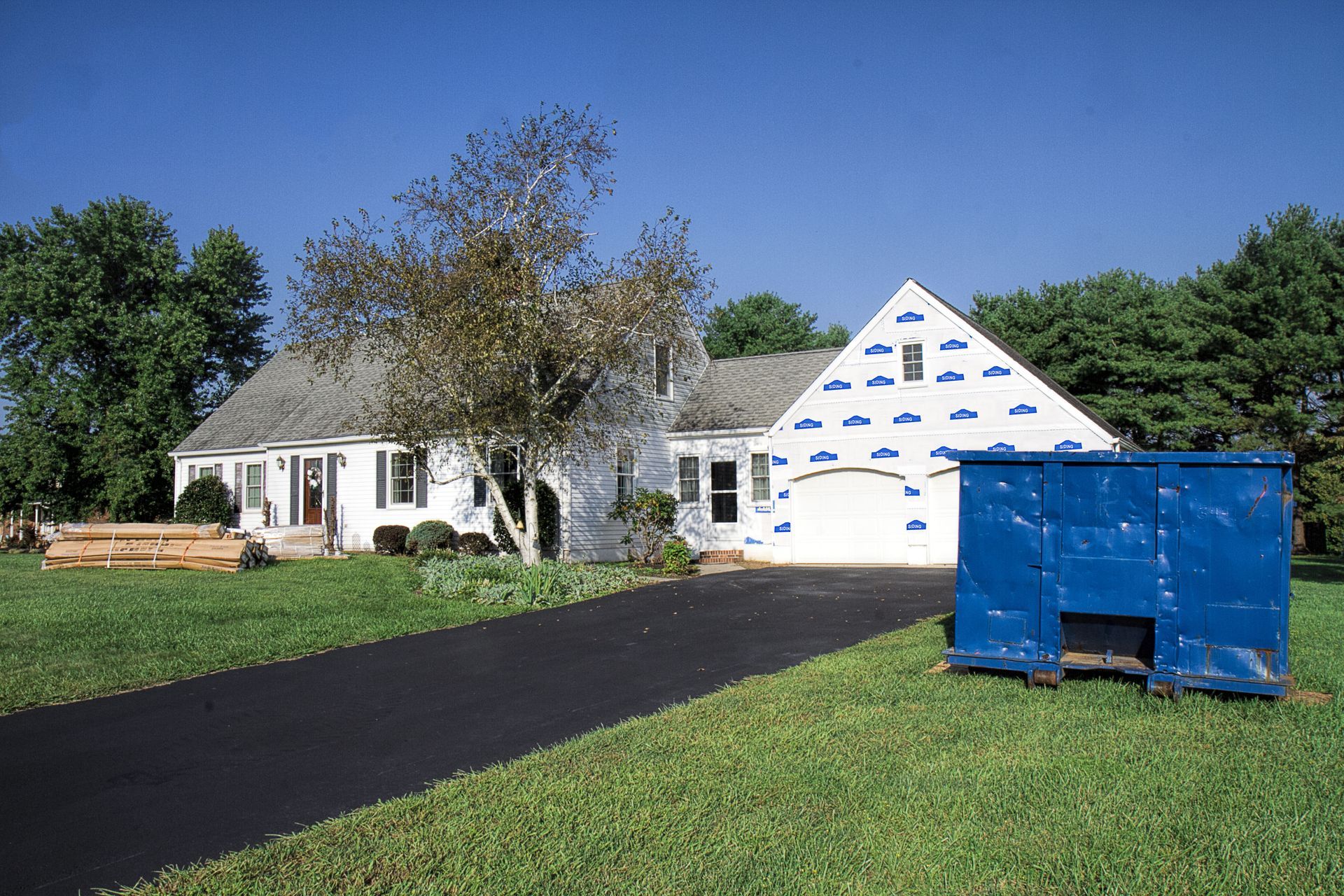
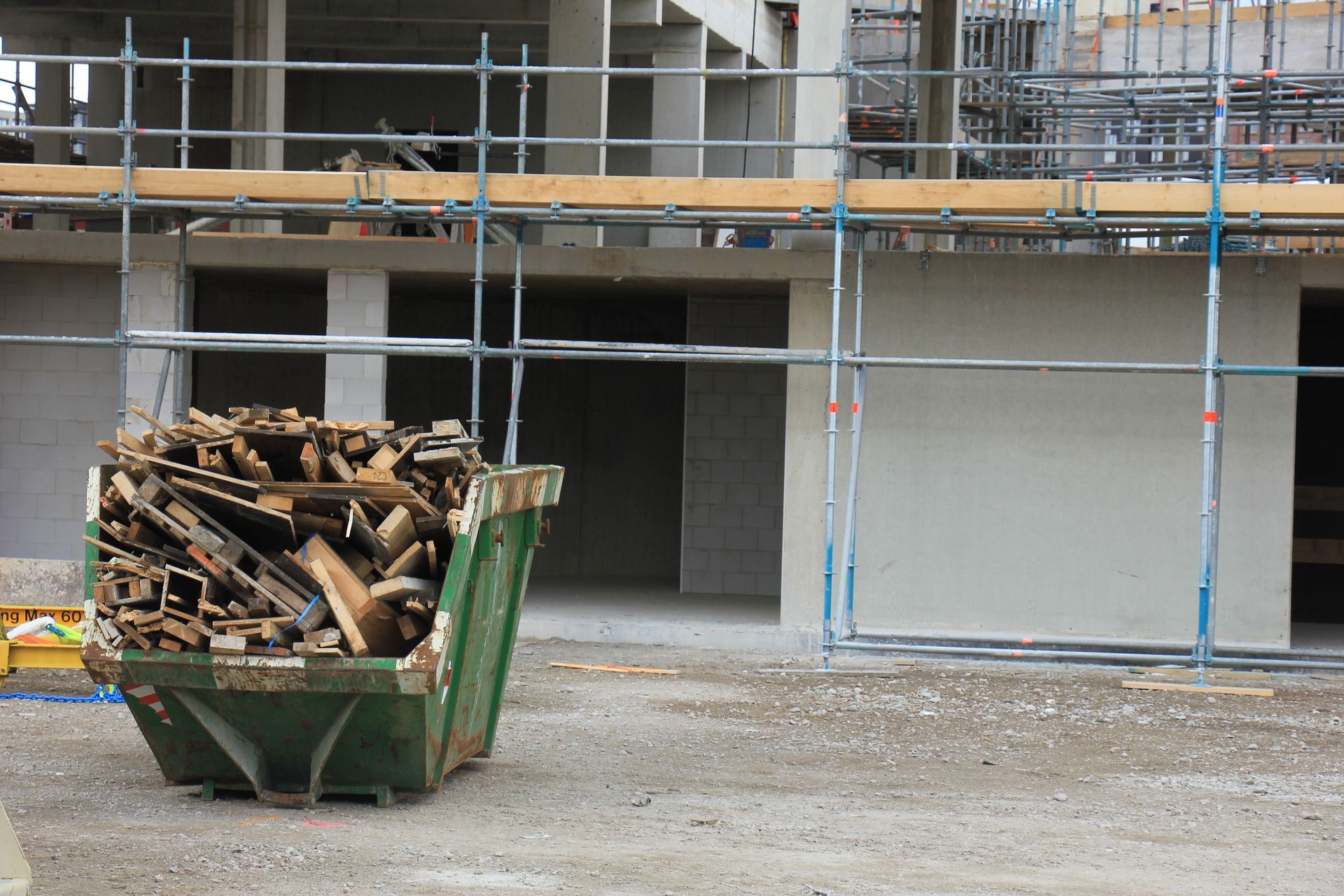
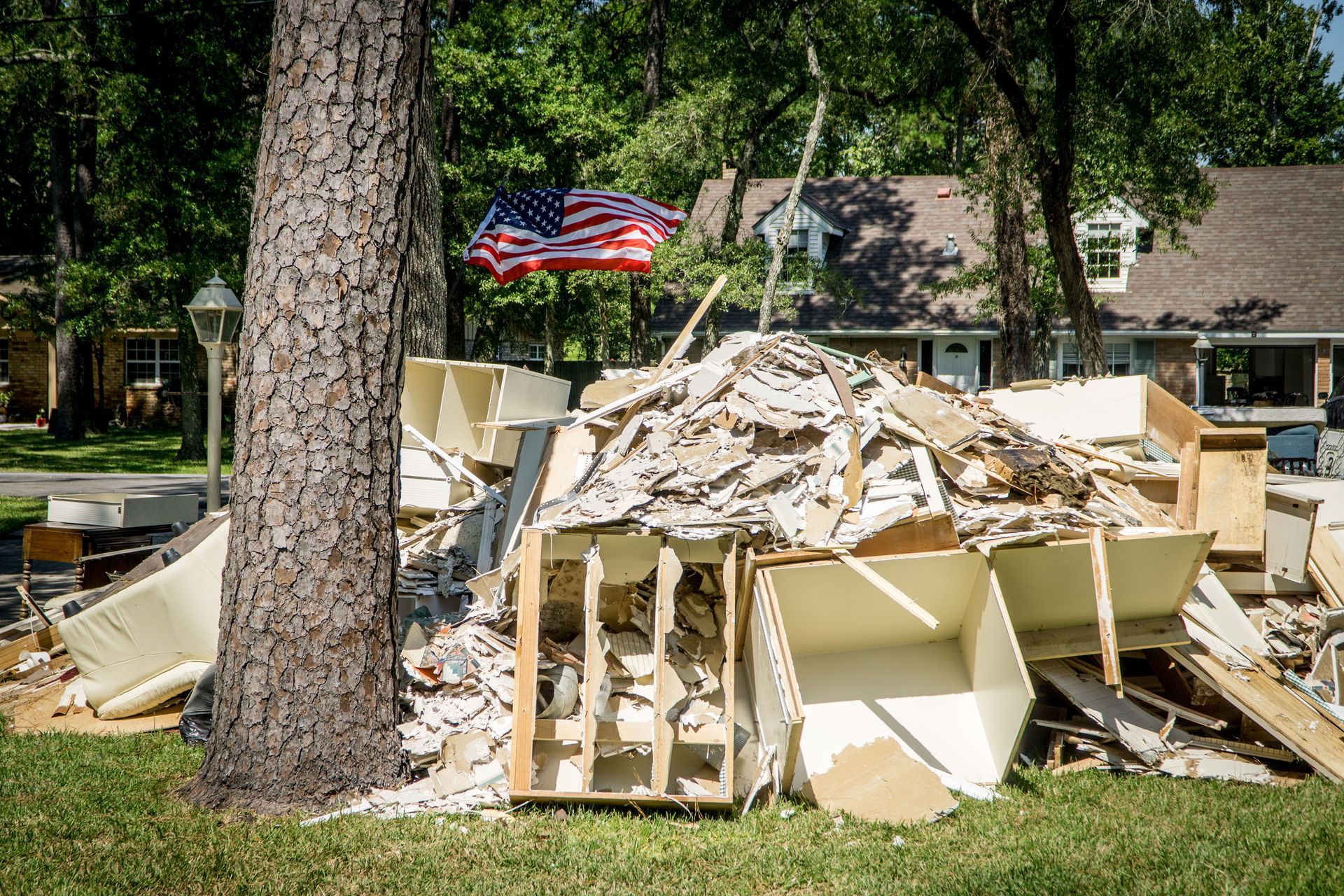
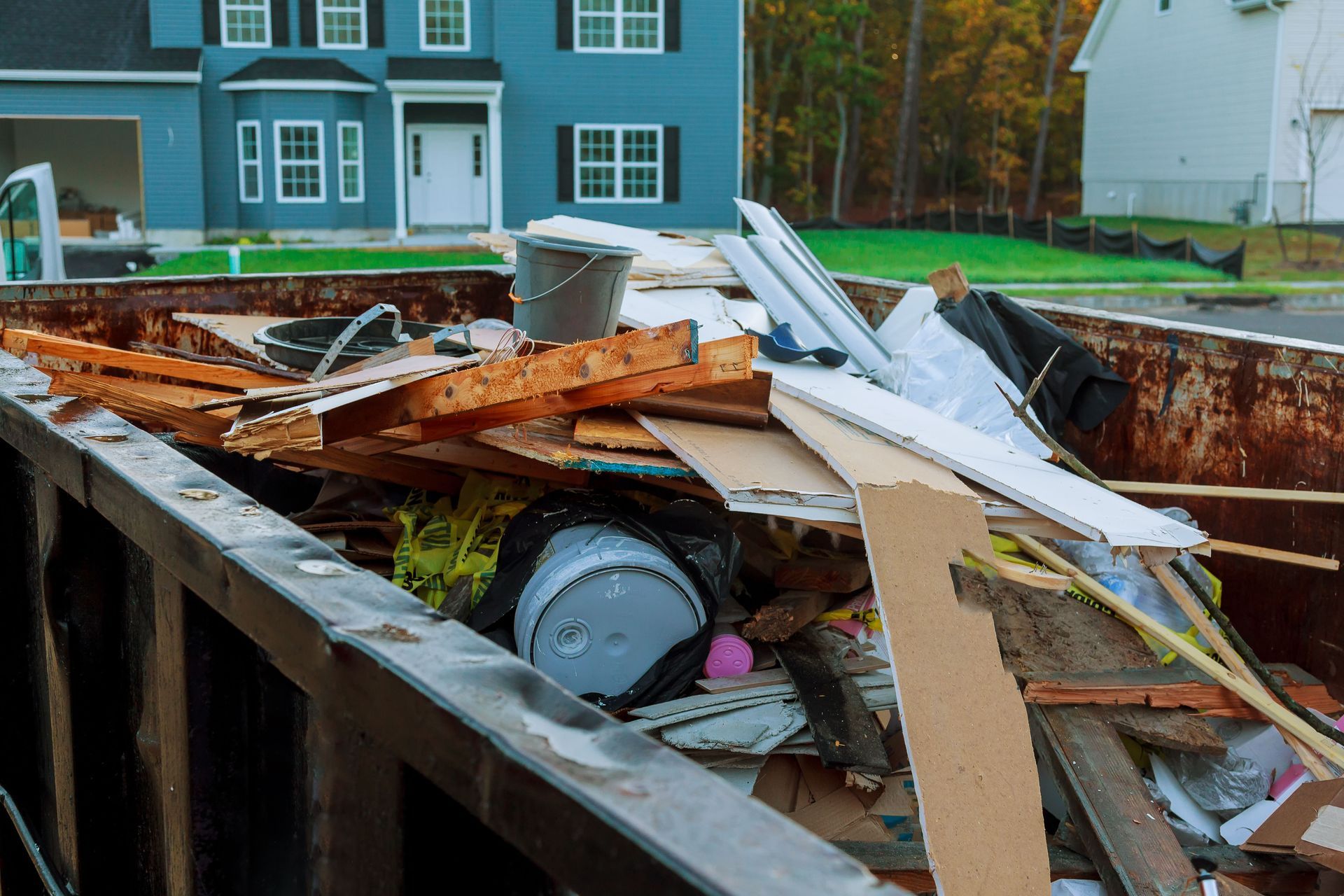
Proper waste logistics represent the final critical step in completing legal abatement, accompanied by meticulous long-term site stewardship. Asbestos debris cannot enter conventional municipal waste systems or standard open-top dumpsters. According to Mesocore, construction debris accounts for 35-50% of global solid waste. Hazardous fragments must be stored within labeled, puncture-resistant containers accompanied by complete waste shipment records. Relying on a licensed construction waste disposal service simplifies regulatory reporting by providing formal chain-of-custody documentation tracing materials directly from the jobsite to an authorized landfill. Facilities managers must preserve clearance certificates, waste manifests, and contractor licensing records alongside structural blueprints. Where non-friable asbestos remains encapsulated in undisturbed sections, establishing an ongoing operations and maintenance program ensures continuous safety. In addition, scheduling an experienced construction waste disposal service prevents hazardous runoff and protects municipal infrastructure whenever future structural modifications generate substantial heavy building refuse.
Safely mitigating asbestos risks demands disciplined execution, certified expertise, and complete compliance across every phase of planning and remediation. Identifying building hazards early, honoring established legal standards, setting up impenetrable containment barriers, and conducting rigorous post-abatement testing safeguard human health and structural integrity. Implementing comprehensive hazardous material protocols protects workers, preserves building value, and prevents devastating environmental liability. Partnering with experienced environmental specialists and choosing a dependable construction waste disposal service guarantees full compliance with strict environmental legislation while transforming dangerous renovation projects into secure, healthy environments. For more information about the services that we offer, reach out to our incredible team at AAA Carting today!


Share On: