
How Inefficient Disposal of Construction Waste Quietly Bleeds Your Project Margins
When managing a commercial construction project, managers scrutinize every expense item on the ledger. Labor hours are tracked down to the minute, material quotes are negotiated, and equipment rentals are scheduled with precision. Yet, despite this focus on line-item efficiency, margins often erode in ways that leave leadership scratching their heads. Financial loss usually stems from a persistent, overlooked operational inefficiency quietly draining cash flow.
That silent financial leak is almost always found in the dumpster area at the site edge. When a team treats the disposal of construction waste as an afterthought rather than a strategic operational phase, costs escalate rapidly. Dumpsters overfill, hazardous materials get mixed with clean fill, and trade workers waste billable hours carrying scrap across chaotic sites. Modern construction management demands a mindset shift regarding how site debris is categorized, stored, and transported offsite. Taking control of this workflow protects bottom-line profitability without sacrificing building quality.
Escalating Hauling Costs Through Poor Container Optimization
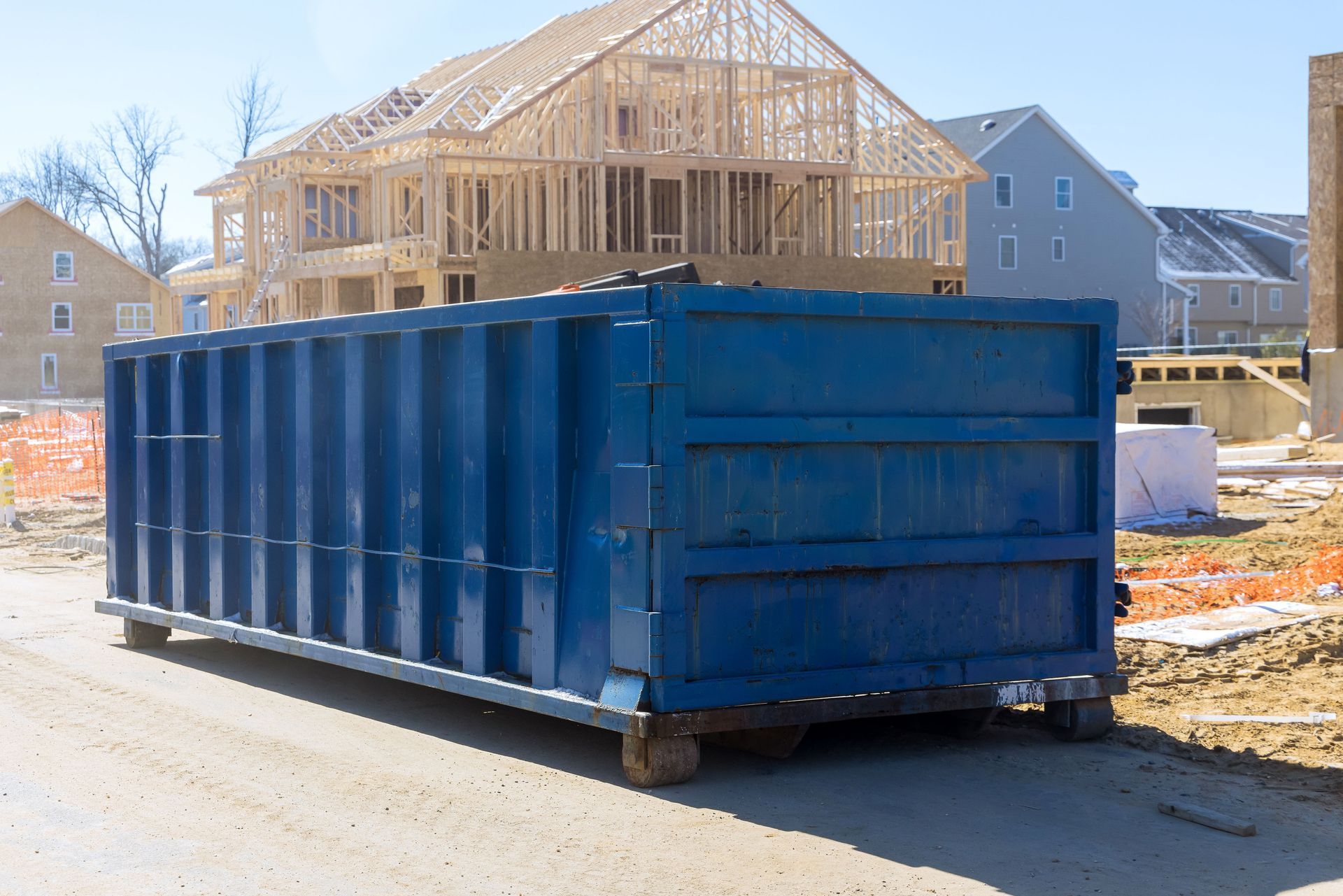
One of the most immediate ways money leaks from a project budget is through poorly managed dumpster rentals and pickup schedules. General contractors frequently order standard dumpsters without analyzing the specific volume or weight density of debris generated during a phase. As a result, containers are either pulled offsite half-empty to meet a schedule or left overflowing until emergency fees trigger. Paying full haul charges for half-full containers directly reduces project profit margins on every pull. Poorly sized containers also encourage improper packing, leaving empty voids that waste container volume.
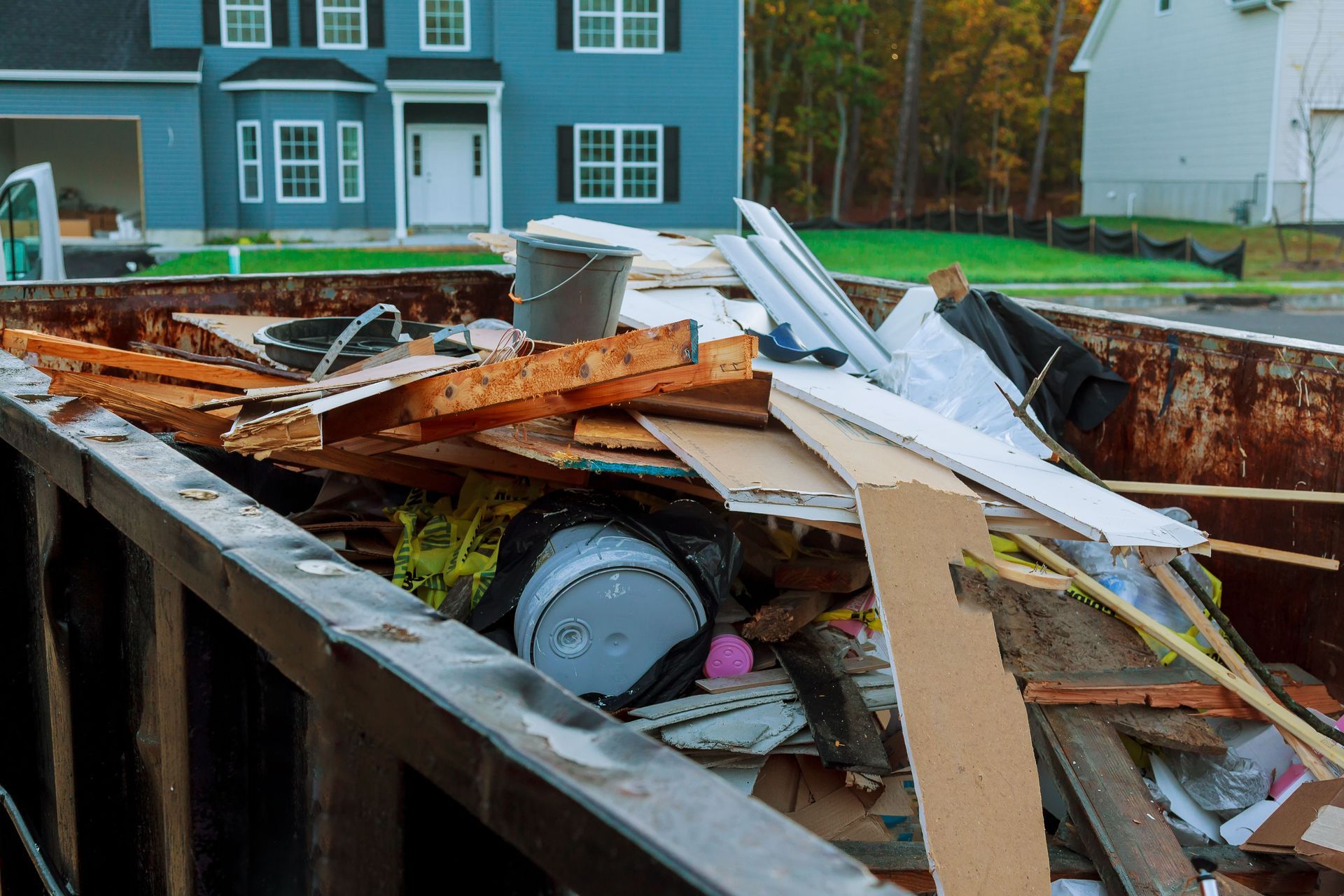
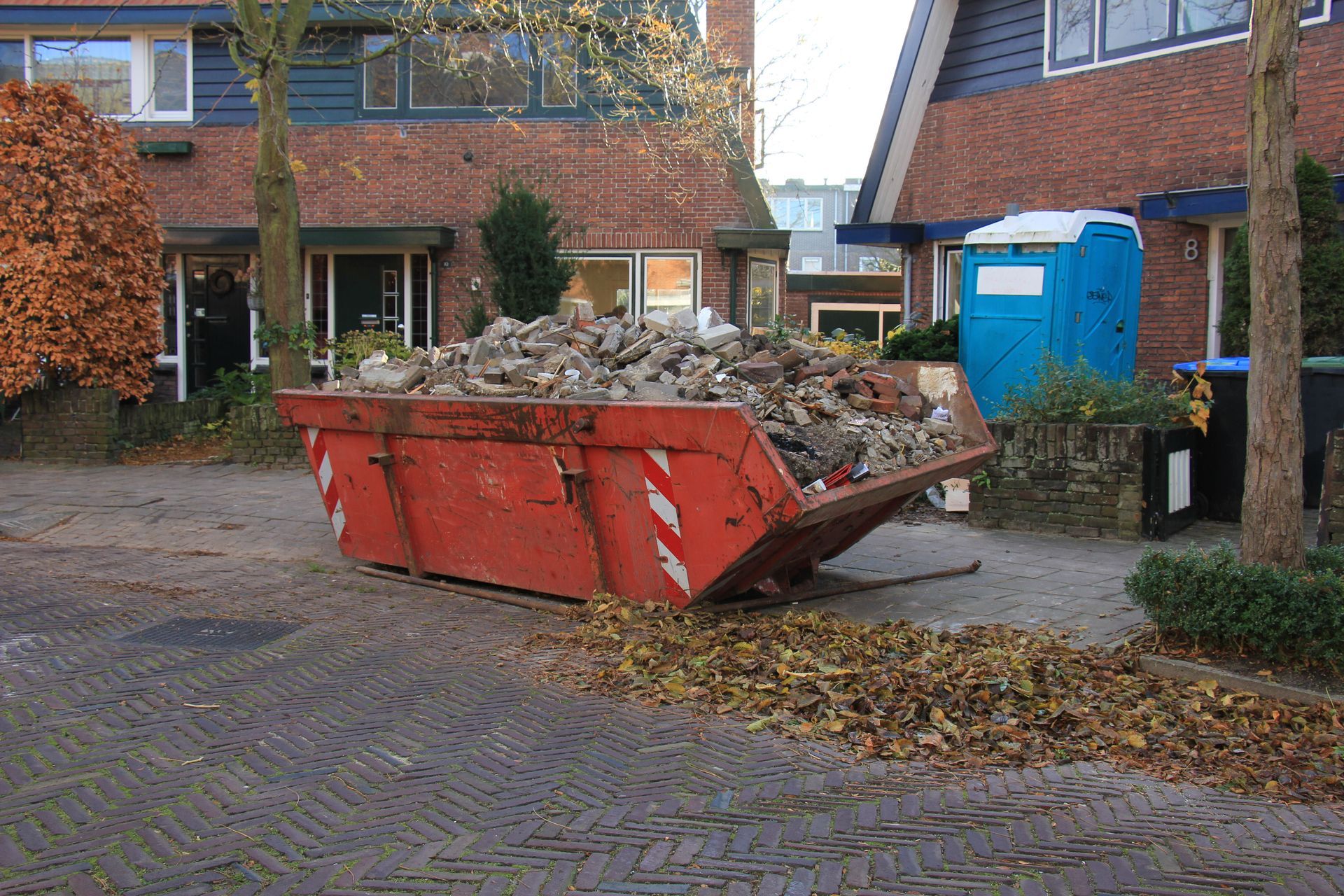
Weight limits represent another hidden trap that can severely inflate site management costs. Municipal landfills and transfer stations impose strict weight thresholds, charging heavy overage fees whenever a roll-off container exceeds its capacity. Dense materials like concrete, brick, dirt, and drywall can easily push a standard container over legal weight limits long before it looks full. Without a deliberate strategy for the disposal of construction waste, subcontractors will pile heavy masonry debris into general trash bins. This mistake frequently results in hundreds of dollars in unexpected overweight penalties per container load.
Establishing a disciplined container schedule based on project phases drastically reduces unnecessary transportation expenses. Demolition phases generate high-volume bulk, whereas masonry phases produce heavy, dense material requiring smaller containers. Matching container size and haul frequency to the actual work phase eliminates paid empty space and prevents weight surcharges entirely. Additionally, consolidating waste pickups with reliable hauling partners allows project teams to secure far better flat-rate pricing. Smart container optimization ensures that every dollar spent on hauling delivers maximum value.
Incurring Regulatory Fines Through Non-Compliant Sorting
Navigating environmental regulations and municipal waste ordinances has become increasingly complex for modern commercial builders. Local building authorities strictly enforce waste diversion requirements, demanding detailed manifests that prove site debris was properly categorized. Failing to separate hazardous substances from general debris can trigger immediate regulatory penalties from local code officials. When illegal mixing occurs, entire loads are rejected at transfer stations, forcing contractors to pay expensive sorting fees. A careless approach to the disposal of construction waste inevitably catches the attention of local inspectors.
Environmental compliance is no longer just a legal formality; it reflects broader shifts across the waste management industry. According to the Environmental Protection Agency, nearly 94 million tons of municipal solid waste were diverted through recycling and composting, corresponding to a 32.1% recycling and composting rate. Construction sites generate a massive portion of overall material waste, making commercial building projects a primary target for municipal recovery mandates. Contractors who fail to implement structured sorting protocols on-site will find themselves facing costly local compliance surcharges. Municipalities are increasingly handing out stop-work orders to job sites that violate material diversion goals.
Beyond direct fines from code enforcement, compliance failures create severe operational bottlenecks that stall construction progress. When inspectors pause a job site due to environmental violations, project timelines stretch, leading to cascading delay penalties across active subcontractors. The time spent disputing fines, re-sorting mixed debris piles, and submitting revised compliance manifests consumes valuable management hours. These administrative delays represent a massive indirect cost that never shows up on standard waste haul invoices. Proper management during the disposal of construction waste protects project momentum and shields profits from regulatory erosion.
Draining Subcontractor Productivity Through Site Disorganization
A disorganized waste management setup creates a domino effect that negatively impacts trade labor efficiency across the site. When scrap materials accumulate in work areas, carpenters, electricians, and plumbers must navigate around hazards to perform tasks. Tripping hazards, blocked walkways, and obstructed material staging areas significantly slow down daily installation rates. Highly paid trade professionals should spend their shifts installing systems, not maneuvering around piles of packaging and broken drywall. Poor site housekeeping consistently degrades labor productivity, driving up overall billable hours for every subcontractor.
The physical placement of waste receptacles plays a major role in daily operational efficiency. If dumpsters are placed far away from active work zones, workers spend excessive time walking back and forth to discard trash. This waste of labor time compounds when trade crews are forced to double-handle scrap materials by piling them on the floor first. Integrating the disposal of construction waste into daily workflow planning ensures containers are placed in optimal, easily accessible locations. When debris removal is frictionless, workers maintain focus on core trade tasks and complete work packages faster.
Clean and structured job sites inherently promote safer working conditions, which directly lowers risk exposure and associated insurance costs. Stumbling over debris remains a leading cause of minor injuries and worker compensation claims on commercial building sites. Every injury log entry threatens a contractor's experience modification rate, potentially raising insurance premiums for years to come. Clean sites also improve worker morale and encourage greater craftsmanship across all trades. Investing time into organized waste handling creates a safer, faster, and far more profitable job site environment.
Forfeiting Salvage Value Through Careless Material Mixing
Treating all construction debris as worthless trash is a missed financial opportunity that quietly erodes project profitability. Commercial job sites generate vast quantities of clean lumber, scrap metal, copper wiring, cardboard, and recyclable concrete. When these materials are tossed into a single commingled dumpster, their financial salvage value is completely wiped out. Instead of generating material rebates or offset credits, valuable commodities end up buried in landfills at full tipping fee rates. Mixing valuable scrap with general refuse turns potential revenue sources into guaranteed operational expenses.
Implementing a structured material segregation plan allows contractors to capture financial rebates from local recycling processors. Clean scrap metal, structural steel, and copper pipe carry substantial market value that can directly offset total haulage bills. Even crushed concrete and clean fill dirt can often be repurposed locally or sold to nearby site development projects. Prioritizing the proper disposal of construction waste through source separation turns a traditional line-item expense into a cost-neutral operation. Every ton of material diverted from a landfill saves tipping fees while supporting green building certification requirements.
Modern sustainable building frameworks reward projects that demonstrate high rates of material diversion and resource recovery. Achieving green building certifications increases long-term commercial value and makes projects attractive to institutional tenants. Furthermore, major developers increasingly mandate green building practices as a requirement for winning prime commercial contracts. Integrating smart disposal of construction waste into project planning positions general contractors to win lucrative, sustainability-focused bids. Transforming waste management from an expense into a value-generating process provides a lasting competitive advantage.
Streamlining Site Management for Long-Term Margin Protection
Protecting project margins requires general contractors to treat waste management as a core operational discipline rather than an unavoidable expense. By optimizing container sizes, enforcing source separation, maintaining regulatory compliance, and keeping work areas organized, builders eliminate financial leaks. Eliminating unnecessary haul charges, avoiding compliance penalties, and capturing material salvage value preserves your hard-earned profits. Effective management during the
disposal of construction waste ultimately ensures that your hard work translates into maximum contract profitability.
At AAA Carting, we understand that efficient waste management is essential for preserving your hard-earned project margins. We provide tailored roll-off dumpster services, flexible hauling schedules, and reliable material recycling support to keep your commercial job sites compliant and clean. Partner with us today to streamline your debris management and protect your bottom line on every build.



Share On: