
Safer Construction Starts With Proper Waste Disposal Services
Construction projects are complex environments where multiple teams, heavy machinery, and large quantities of materials come together in fast-moving conditions. Amid tight schedules and demanding workloads, waste materials can quickly accumulate across the jobsite. Broken concrete, wood scraps, packaging materials, metal pieces, and plastic containers can create hazardous conditions if not handled properly. This is why a construction waste disposal service plays a vital role in maintaining both safety and efficiency throughout the building process.
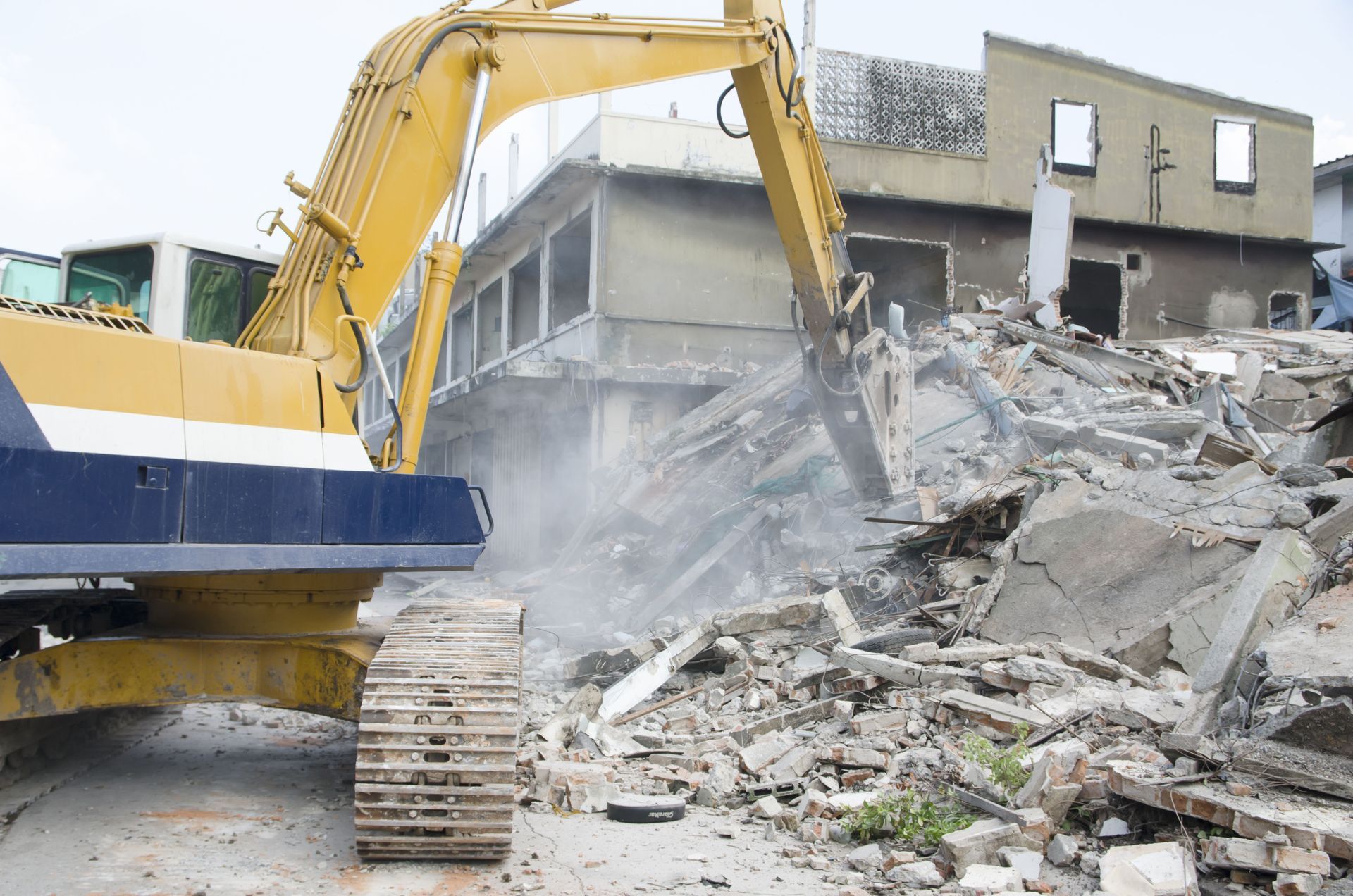
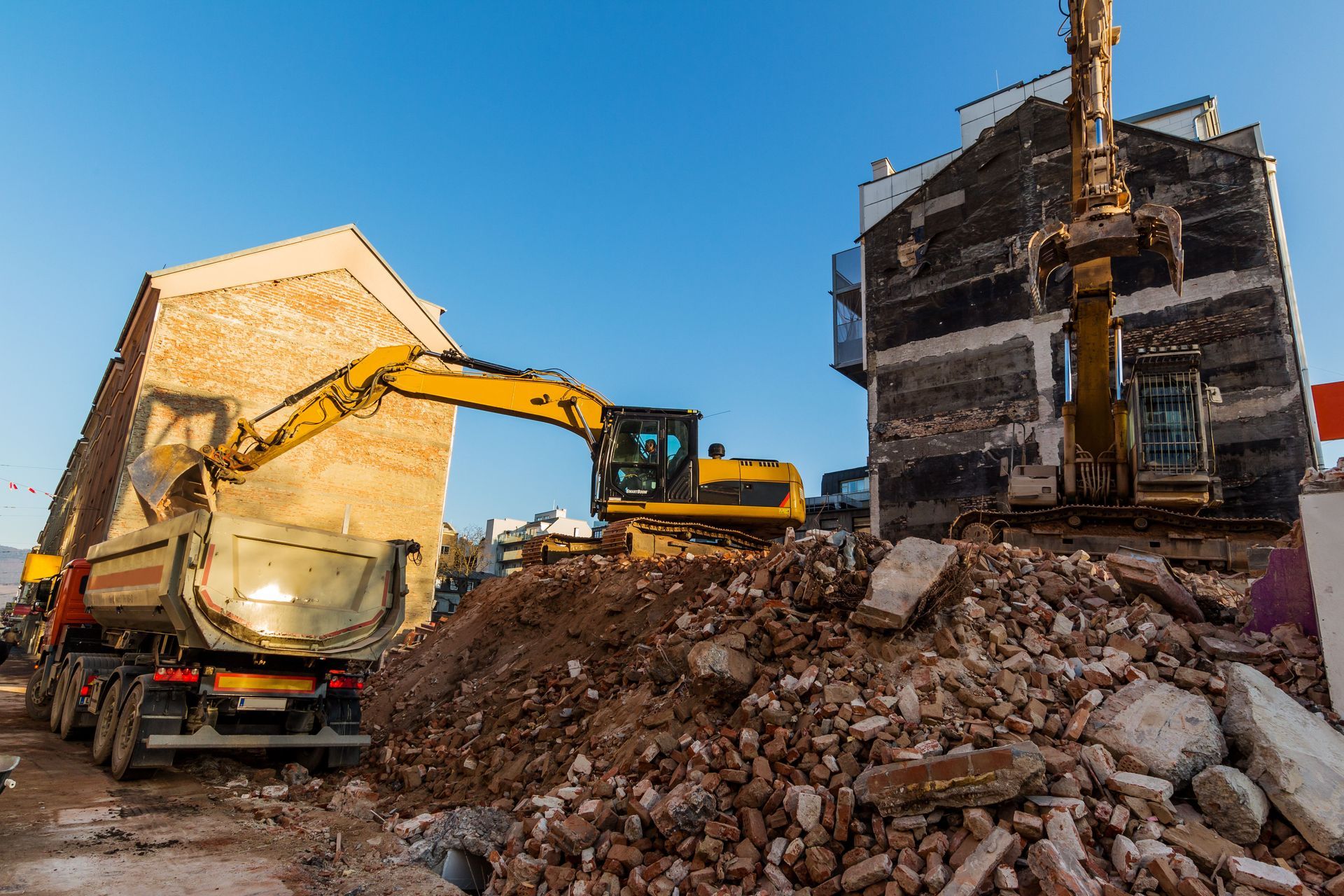
Without a structured approach to waste removal, construction sites can become cluttered and dangerous. Piles of debris increase the risk of trips, falls, equipment damage, and even fire hazards. Professional waste management solutions help teams focus on construction tasks while ensuring debris is handled responsibly and removed on schedule.
Construction waste management also plays a critical role in maintaining the overall organization of a project from start to finish. Moreover, adopting a reliable construction waste disposal service can improve planning for material deliveries and storage, preventing clutter before it even accumulates.
Reducing Jobsite Hazards Through Organized Waste Removal
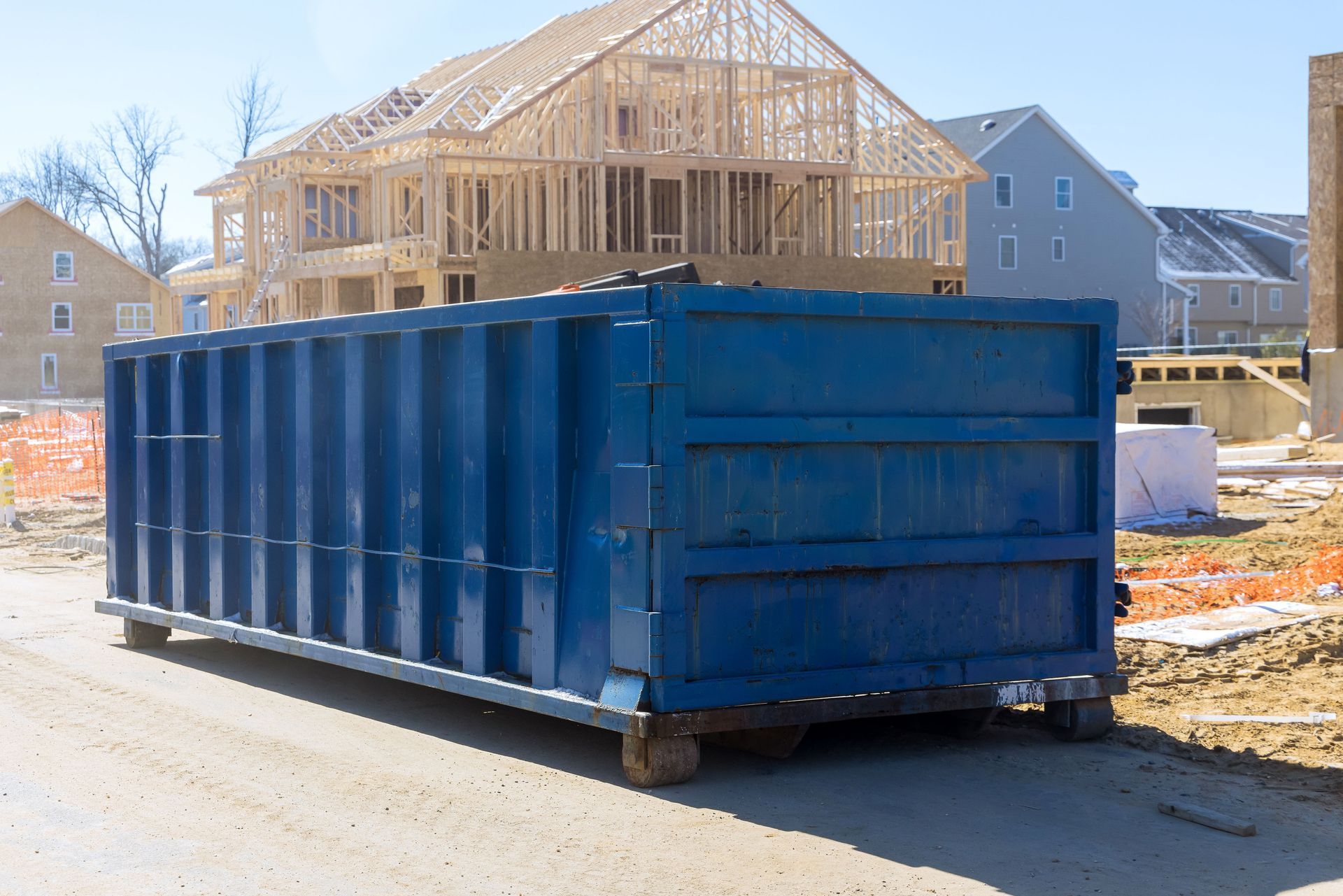
One of the most immediate safety benefits of a construction waste disposal service is the reduction of physical hazards on a jobsite. Construction debris such as nails, shattered materials, and sharp metal fragments can easily cause injuries when left scattered around work areas. Professional waste removal ensures that these materials are collected quickly and disposed of in designated containers.
When waste is removed regularly, workers have clearer pathways to move equipment and materials. Cluttered sites often slow down movement and create dangerous conditions for workers carrying heavy tools or operating machinery. Keeping the work environment organized significantly lowers the likelihood of workplace accidents and injuries.
Another safety advantage involves proper containment of hazardous materials. Some construction debris may contain chemicals, treated wood, adhesives, or insulation materials that require special handling. Professional waste management providers are trained to identify and separate these materials so they do not pose risks to workers or the surrounding environment.
Regular debris removal also helps maintain compliance with occupational safety standards. Many regulatory guidelines require construction sites to remain clean and orderly to prevent hazards. Contractors who maintain consistent waste removal practices demonstrate a commitment to safety and responsible jobsite management.
Adding to these safety measures, proper waste management also reduces long-term maintenance issues. Debris left on-site can damage equipment, block drainage systems, or contribute to mold and pest problems. By removing waste promptly, contractors ensure that the construction environment remains stable and free from hidden risks that could compromise worker safety and project quality.
Improving Efficiency and Workflow on Construction Sites
Efficient construction projects rely on well-organized workflows, and waste management plays a bigger role in that process than many people realize. A construction waste disposal service helps ensure that materials are removed promptly so that work areas remain accessible and functional throughout each stage of the project.
Construction teams often operate under strict deadlines, and unnecessary delays can quickly increase project costs. When debris accumulates, workers may need to spend extra time clearing space before continuing their tasks. Dedicated waste management services eliminate this distraction, allowing teams to stay focused on building rather than cleaning.
Centralized waste containers also streamline the disposal process. Instead of workers walking long distances to discard materials or leaving waste in random piles, clearly designated disposal areas encourage consistent and efficient cleanup. This structure keeps projects moving smoothly and reduces interruptions during critical phases of construction.
Improved organization also supports better communication between teams. When waste removal schedules are coordinated with construction timelines, site managers can maintain a predictable workflow. This coordination helps minimize disruptions and ensures each phase of the project proceeds safely and efficiently.
In addition, a well-managed waste disposal system can aid in resource tracking and cost efficiency. By monitoring the types and amounts of waste generated, contractors can identify materials that are being over-ordered or misused. This insight not only prevents unnecessary spending but also allows teams to plan more strategically, optimizing both labor and material usage.
Supporting Environmental Responsibility in Construction
Modern construction practices increasingly emphasize sustainability and responsible resource management. A construction waste disposal service helps contractors meet environmental goals by ensuring that recyclable materials are separated and processed properly instead of being sent directly to landfills.
Many construction materials—including metals, plastics, cardboard, and certain wood products—can be recycled when handled correctly. Professional waste management companies often sort these materials and direct them to appropriate recycling facilities. This reduces environmental impact while conserving valuable resources.
Recycling efforts can also significantly reduce energy consumption. According to The Sustainable Agency, PET recycling reduces energy consumption by 84%. When construction waste includes plastic packaging or containers made from PET, recycling them contributes to major environmental savings.
Responsible waste disposal also strengthens a company’s reputation. Developers, investors, and communities increasingly value sustainable building practices. Contractors who demonstrate commitment to responsible waste management show leadership in environmental stewardship while maintaining safer and cleaner worksites.
Furthermore, implementing sustainable waste practices can attract new business opportunities. Many clients and public projects now require contractors to follow environmental standards. By showcasing expertise in environmentally responsible disposal, companies gain a competitive advantage and reinforce their commitment to ethical construction practices.
Strengthening Compliance and Risk Management
Regulatory compliance is another critical reason why professional waste management services are essential for construction projects. A construction waste disposal service helps contractors follow local, state, and federal regulations related to waste handling, transportation, and disposal.
Improper disposal of construction debris can result in significant penalties and legal complications. Hazardous materials, in particular, must be handled according to strict guidelines. Waste management professionals understand these requirements and ensure materials are processed according to established regulations.
Documentation and tracking also play a role in compliance. Waste disposal companies often provide records of removed materials, recycling volumes, and disposal locations. These records can be useful during inspections or audits and demonstrate that the contractor is following proper procedures.
Beyond compliance, professional waste management reduces liability risks. Construction companies are responsible for maintaining safe working conditions for employees and visitors. Keeping sites clean, organized, and free from debris helps reduce accident risks and potential legal claims.
Additionally, partnering with a reliable disposal service allows contractors to implement proactive risk management strategies. By anticipating and mitigating waste-related hazards, companies can prevent costly accidents, insurance claims, and delays, ensuring that both the project and the workforce remain protected throughout construction.
Construction safety depends on careful planning, effective communication, and responsible management of materials throughout every stage of a project. A professional waste disposal service supports these goals by ensuring debris is handled properly, hazards are minimized, and worksites remain organized. By integrating waste removal into project planning, contractors create safer environments for workers while maintaining steady progress toward project completion.
As the construction industry continues to evolve, waste management will remain a key component of responsible building practices. Clean and organized job sites improve productivity, protect workers, and support environmental sustainability. When construction teams prioritize proper waste disposal, they not only meet safety standards but also build a stronger foundation for efficient and successful projects.
Ultimately, effective waste management is more than a logistical task—it is a strategic investment in safety, efficiency, and environmental responsibility. By incorporating reliable disposal solutions into their project planning, construction companies can reduce risks, improve operational performance, and contribute to a cleaner and more sustainable future for the industry. Make your project cleanup effortless with AAA Carting—our reliable construction waste disposal service ensures your site stays safe.



Share On: